Well, That Went Fast — Apple iPhone Duo Shipping Estimates Have Slipped to 2027

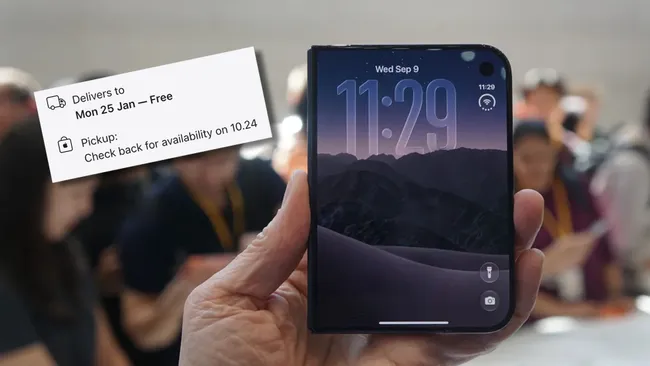
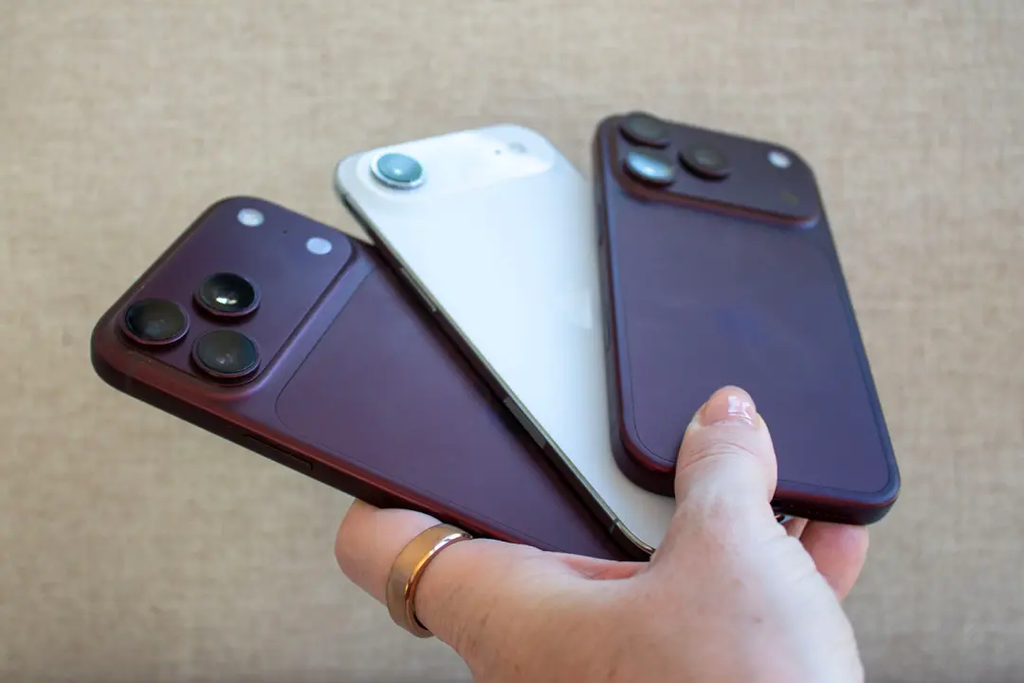
For a product that has been rumoured for years, Apple’s first major foldable iPhone was always going to attract enormous attention. Now, however, the excitement is being tempered by an increasingly familiar message for prospective buyers: iPhone Duo shipping estimates may have slipped into 2027.

That is quite a change for a device expected to represent one of Apple’s biggest design shifts in years. The iPhone Duo foldable is tipped to combine the familiar iPhone experience with a large internal display, a slim outer profile and a premium design aimed squarely at the growing foldable-phone market.

For UK buyers who have been waiting for Apple to finally enter the category, the delay could be frustrating. But it may also give Apple more time to solve the problems that have made foldable phones difficult to perfect.
Why the iPhone Duo matters so much

Apple has watched Samsung, Google, Motorola and other manufacturers experiment with foldable phones while continuing to rely on the traditional iPhone design.

That strategy has worked remarkably well. Yet the smartphone market is changing. Consumers are increasingly asking whether a new phone offers something genuinely different rather than simply delivering a faster processor or another camera upgrade.

This is where the Apple foldable iPhone could become particularly interesting.

The iPhone Duo is expected to open like a book, providing a much larger screen when required while remaining relatively compact when folded. In practical terms, that could mean carrying something approaching a small tablet without actually carrying two separate devices.

For commuters on Britain’s trains, frequent travellers and people who use their phone for work, that flexibility could be more meaningful than another incremental camera improvement.

A bigger screen without carrying a tablet

The most obvious attraction is the display.

A conventional smartphone is excellent for messaging, maps, social media and quick browsing, but there are situations where the screen simply feels too small. Reading documents, editing photographs, watching films or working with multiple apps can become much easier on a larger panel.

A well-designed foldable iPhone with a large inner display could offer the best of both worlds.

Fold it shut and it behaves like a normal smartphone. Open it and the experience becomes much closer to a compact tablet.

That versatility is one of the biggest reasons foldables continue to attract attention despite their premium prices.

Apple’s real challenge is durability

However, Apple cannot simply make a phone that folds. It has to make one that people trust to keep folding for years.

The hinge and flexible display are obvious engineering challenges, but durability goes much further. Buyers will want reassurance about screen creases, dust, accidental drops, water resistance and long-term reliability.

This is particularly important in Britain, where phones are routinely exposed to rain, cold weather and the occasional unfortunate encounter with a pavement.

For that reason, iPhone Duo durability could become just as important as its display technology.

Apple has built its reputation around tightly integrated hardware and software, so consumers will expect the foldable experience to feel polished rather than experimental.

Battery life could be another deciding factor

There is another question that British buyers are likely to ask: how long will the battery last?

A foldable phone has more screen real estate to power, while its slim design can make battery capacity and thermal management more complicated.

That makes iPhone Duo battery life a particularly important part of the story.

If Apple manages to combine efficient hardware with intelligent power management, the larger display could become genuinely useful without forcing users to reach for a charger halfway through the day.

For people who spend hours travelling, navigating London, watching video or using mobile data, dependable battery life may ultimately matter more than having the thinnest possible hinge.

The 2027 delay could actually be good news

At first glance, a 2027 shipping estimate sounds like bad news. Nobody likes waiting longer for a product they have already decided to buy.

But there is a strong argument that Apple should take its time.

The foldable-phone category is still evolving. Manufacturers have become much better at making thinner hinges, reducing display creases and improving durability, but compromises remain.

Apple entering the market later could allow it to learn from the mistakes of earlier foldables.

Instead of being first, Apple could aim to be the company that makes the technology feel mature.

That distinction could be crucial for the first foldable iPhone. Apple does not necessarily need to invent every component from scratch. It needs to make the overall experience convincing enough that a conventional iPhone owner sees a reason to switch.

Britain’s foldable market is getting harder to ignore

The UK smartphone market has already become familiar with premium foldables. Samsung’s Galaxy Z Fold and Z Flip families have helped make the form factor more mainstream, while Motorola and other brands have pushed the idea of folding phones into different price categories.

That creates an interesting situation for Apple.

By the time the iPhone Duo arrives, British consumers may no longer regard foldables as futuristic gadgets. They may simply expect Apple to offer one.

The question will then become whether Apple’s version provides enough advantages to justify its likely premium price.

Will the iPhone Duo replace the Pro Max?

Probably not for everyone.

The traditional Pro Max formula still appeals to people who want a large display, excellent cameras and long battery life without the additional complexity of a hinge.

The iPhone Duo versus iPhone Pro Max decision could therefore come down to priorities.

If photography, durability and simplicity matter most, a conventional flagship may remain the safer option. If multitasking, reading, entertainment and having a tablet-sized display in your pocket are more important, the foldable could be much more compelling.

The foldable will also need to prove that its extra flexibility is something people will actually use rather than simply admire for the first few weeks.

The bigger question: is Apple changing the iPhone formula?

Perhaps the most interesting part of the iPhone Duo story is not the delay itself.

It is what the device represents.

For years, smartphone innovation has largely centred on better cameras, faster chips, brighter screens and increasingly sophisticated software. Foldables introduce a different kind of innovation: changing the physical shape of the device.

If Apple gets the formula right, the Apple iPhone Duo 2027 could become more than another premium smartphone. It could signal a new direction for the iPhone family.

That makes the wait particularly interesting.

A delayed product is not necessarily a failed product. In Apple’s case, the extra time could be used to refine the hinge, improve foldable phone battery life, strengthen the flexible display and make iOS feel genuinely designed for two screen sizes.

For impatient buyers, 2027 may feel a long way away. But if the result is a foldable iPhone that feels as dependable as today’s best conventional models, the wait could ultimately make sense.

After all, the real goal isn’t simply to make an iPhone that folds.

It is to make a foldable iPhone that people no longer want to unfold any other way.

Apple Cell Phone Batteries – Shop a wide selection of Apple Cell Phone Batteries at www.oriccabattery.co.uk Fast Shipping. 30 Day Replacement Guarantee.
Apple Watch Ultra 4 Review: Built to Go the Distance

The British weather has a habit of turning even the simplest outdoor adventure into a test of endurance. One moment, the skies are clear; the next, rain is sweeping across the Lake District or strong winds are battering the coastline. For anyone who enjoys running, hiking, cycling or open-water swimming, a smartwatch needs to do more than count steps and deliver smartphone notifications.

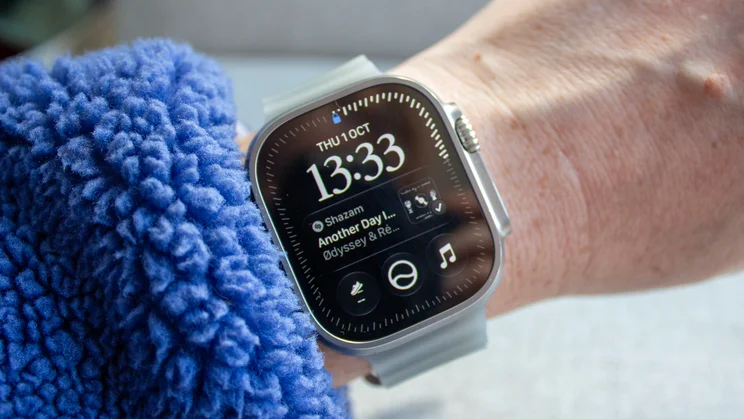
That is where the Apple Watch Ultra 4 enters the conversation. Building on the Ultra range’s reputation for durability, outdoor navigation and advanced fitness tracking, this model represents the kind of premium smartwatch that active users want to take beyond the gym.

However, there is an important distinction to make: a product review should separate confirmed specifications from expectations. Unless its final UK specifications and independent test results are available, claims about the Ultra 4’s battery life, performance and new features should be treated with caution. Even so, the qualities that make the Ultra family appealing provide a useful framework for assessing what a next-generation model needs to deliver.

Design and Durability: Ready for Britain’s Unpredictable Weather

A rugged smartwatch must withstand considerably more than everyday knocks against a desk or doorframe. For outdoor enthusiasts, it needs to cope with rain, mud, temperature changes and the occasional accidental impact.

The Apple Watch Ultra family is known for its robust construction, prominent controls and design intended for demanding activities. The rugged smartwatch design is particularly attractive to people who regularly head into the countryside, where gloves, wet hands and limited visibility can make conventional touchscreen controls frustrating.

For British hikers, this could be especially useful on exposed routes in Snowdonia, the Scottish Highlands or the Yorkshire Dales. A watch that remains comfortable and usable in challenging conditions is more valuable than one that simply looks impressive on a wrist.

The larger case and substantial appearance will not suit everyone, though. Users with smaller wrists may prefer a lighter Apple Watch, particularly when wearing a device throughout the night to monitor sleep.

Ultimately, the best outdoor smartwatch must strike a balance between durability, comfort and everyday practicality.

Battery Life: The Feature That Could Make or Break It

Battery life is arguably the most important consideration for anyone comparing premium sports watches. Advanced displays, GPS tracking, health sensors and constant connectivity can all consume energy, making endurance a genuine challenge for modern wearables.

For the Apple Watch Ultra 4 battery life to stand out, it would need to offer dependable performance during long training sessions and extended outdoor trips. A smartwatch that lasts comfortably through a full day of notifications, workouts and navigation is useful. One that can also support longer adventures without constant charging would be considerably more appealing.

This matters in the UK, where daylight hours change dramatically throughout the year. Winter walkers may leave home before sunrise and return after sunset, relying on navigation and activity tracking for much of the day.

Potential buyers should pay attention to three factors: standard daily battery performance, battery consumption during continuous GPS workouts, and charging time. Advertised endurance figures are useful, but real-world results often depend on display brightness, mobile connectivity, workout duration and software settings.

The Apple Watch Ultra 4 battery performance should therefore be judged through independent testing rather than headline claims alone. Until verified figures are available, it would be premature to promise a specific number of hours or days.

For existing Ultra owners, the question is straightforward: does the new model deliver enough additional endurance to justify an upgrade?

Fitness Tracking: More Than Counting Steps

Fitness technology has evolved considerably beyond basic step counting. Runners increasingly expect accurate distance measurements, useful recovery insights and training information that helps them improve without pushing their bodies too hard.

A premium Apple smartwatch needs to deliver a comprehensive fitness tracking smartwatch experience, covering everything from everyday movement to structured workouts.

For runners training for the London Marathon or local half-marathons, useful features include pace tracking, heart-rate monitoring, workout history and clear summaries after each session. Cyclists need reliable distance and elevation data, while swimmers benefit from activity tracking suited to pool and open-water sessions.

The value of these features depends on accuracy and usability. A long list of metrics is not particularly helpful if users struggle to understand what the numbers mean.

A strong Apple Watch Ultra 4 fitness tracking experience should turn collected data into practical information. That might mean helping a runner recognise a demanding training week, encouraging a more consistent routine or making it easier to compare performance over time.

For casual exercisers, meanwhile, simple activity reminders and progress tracking may be more useful than advanced training analytics.

GPS and Navigation: Confidence Beyond the City

Navigation is one area where an outdoor-focused smartwatch can distinguish itself from a conventional fitness tracker.

Britain offers countless walking routes, from well-marked urban trails to remote mountain paths where mobile coverage can be unreliable. For people exploring unfamiliar terrain, GPS smartwatch navigation can provide valuable reassurance.

A capable device should offer accurate route recording, clear directional information and practical tools for retracing steps when necessary. Mapping features are particularly valuable when visibility deteriorates or a familiar route becomes difficult to recognise in poor weather.

However, users should not assume that a smartwatch completely replaces a dedicated map, compass or phone. GPS accuracy can vary with terrain, buildings and environmental conditions, while digital navigation depends on the capabilities available on the specific device.

For serious hillwalkers, the ideal setup combines technology with basic outdoor preparation. Downloading available maps in advance, checking weather forecasts and carrying suitable emergency equipment remain sensible precautions.

If the Ultra 4 improves navigation reliability or makes route information easier to read, those changes could be more valuable to experienced walkers than cosmetic design updates.

Health Monitoring: Useful Insights for Everyday Life

Health tracking has become one of the biggest reasons people buy smartwatches. Users want to understand their sleep patterns, monitor their heart rate and develop healthier routines without carrying additional equipment.

The Apple Watch Ultra series already targets users who want a broad selection of health and fitness tools. For a next-generation model, the most meaningful improvements would involve more reliable measurements, clearer insights and better integration with Apple’s wider health ecosystem.

A well-designed Apple Watch Ultra 4 health monitoring experience should help users recognise patterns rather than encourage them to obsess over every fluctuation.

Sleep tracking, for example, can reveal whether a late night appears to affect the following day’s routine. Heart-rate trends can provide useful context during training, while reminders to move may encourage office workers to take regular breaks.

Nevertheless, smartwatch measurements are not a substitute for medical advice or professional diagnosis. Anyone experiencing concerning symptoms should seek appropriate healthcare rather than relying on a wearable to rule out a problem.

The real benefit of health technology is its ability to support informed decisions, not to create unnecessary anxiety.

Smart Features: Staying Connected Without Losing Focus

Outdoor performance is only part of the equation. A premium smartwatch must also fit comfortably into everyday British life, from the morning commute to meetings, shopping trips and evenings out.

The appeal of an Apple Watch Ultra 4 smartwatch would extend beyond fitness if it offered a smooth experience with notifications, calls, compatible apps and other connected services. The precise options would depend on the confirmed hardware, software and connectivity configuration.

For commuters travelling on busy trains or navigating crowded London streets, checking an important notification from the wrist can be more convenient than repeatedly reaching for a phone.

There is, however, a downside to constant connectivity. Notifications can interrupt concentration, while checking activity statistics throughout the day may become another source of digital distraction.

The best approach is to customise alerts, prioritise important contacts and enable quieter modes during workouts or downtime. A smartwatch should make life more manageable rather than demand constant attention.

Apple Watch Ultra 4 vs Other Premium Smartwatches

Competition in the premium wearable market is fierce. Garmin’s outdoor-focused watches appeal to athletes and adventurers who prioritise training tools and endurance, while Samsung’s Galaxy Watch range offers an alternative for users within the Android ecosystem.

Apple’s biggest advantage is integration. For people who already use an iPhone, Apple services and compatible accessories, the Ultra family offers a familiar connected experience.

Garmin, on the other hand, is particularly attractive to users who place substantial emphasis on endurance, navigation and detailed training data. The best choice depends on the activities that matter most, rather than the number of features listed on a product page.

When comparing the best premium smartwatch for outdoor activities, buyers should consider verified battery performance, GPS accuracy, comfort, mapping capabilities and the cost of ownership.

The Ultra 4 would need measurable improvements over its predecessors to make a compelling case for existing owners. For first-time buyers, the decision would depend on its final specifications and price compared with competing devices.

Price and Value: Is an Upgrade Worth It?

Premium smartwatches can be expensive, so the purchase deserves more consideration than a quick comparison of launch prices.

For UK buyers, the total cost includes the watch itself, any additional accessories and the possibility of replacing equipment over time. It is also worth considering whether existing devices already cover most of the features on offer.

Someone who mainly checks messages, counts steps and occasionally tracks a run may find a standard Apple Watch more than sufficient. Regular hikers, endurance athletes and people who value a more rugged design may have stronger reasons to consider an Ultra model.

The Apple Watch Ultra 4 price in the UK should be assessed alongside its confirmed specifications and real-world performance. Until official pricing is established, estimates should not be mistaken for a final retail price.

Owners of an older Ultra should also compare the practical improvements with the cost of keeping their current watch. If their existing device remains reliable and meets their needs, waiting for a substantial upgrade could be the smarter decision.

Verdict: Built to Go the Distance?

The Apple Watch Ultra concept is compelling because it combines everyday smartwatch convenience with features designed for demanding activities. For Britain’s runners, cyclists, swimmers and walkers, durability, dependable navigation and useful health tracking are far more important than flashy specifications alone.

The Apple Watch review ultimately comes down to whether the finished product delivers meaningful improvements in battery endurance, GPS performance, comfort and training tools. These are the areas that can make a genuine difference on a long countryside walk or during months of marathon preparation.

Until independently verified specifications and test results are available, it is too early to give a definitive verdict on its performance or value.

One thing is clear, however: the ideal outdoor smartwatch should encourage people to spend less time worrying about their technology and more time enjoying the experience. Whether tackling a windswept coastal path, training for a personal best or simply getting through a busy working day, a watch built to go the distance must prove its worth when it matters most.

Poco F9 Ultra Review: Moving in Different Circles

The smartphone market has become increasingly predictable. Flagship phones promise better cameras, faster processors and brighter displays, while their prices continue to climb. For many UK buyers, however, spending well over £1,000 on a handset is becoming harder to justify. That creates an opportunity for brands that can deliver premium features without demanding premium money.

Poco has built its reputation around precisely that idea. Known for combining powerful hardware with competitive pricing, the brand appeals to users who want strong performance without paying extra for a prestigious logo. The Poco F9 Ultra fits neatly into this conversation, positioning itself as a phone for people who expect more from their money.

But what does moving in different circles actually mean for a smartphone? Is it about gaming performance, camera versatility, everyday reliability or simply offering an alternative to the usual Apple and Samsung choices? In this Poco F9 Ultra review, we explore the features that matter most to British consumers, the compromises worth considering and what would make this phone stand out in a crowded market.

A Different Approach to the Premium Smartphone

Poco has traditionally targeted buyers who care about specifications and value. Instead of relying entirely on brand prestige, it aims to make powerful hardware accessible to a wider audience.

That strategy is particularly relevant in the UK, where consumers are comparing handset prices, monthly contracts and the long-term cost of ownership more carefully. A phone that delivers a fast interface, a quality screen and dependable battery life can be attractive even without the most recognisable name on its back.

The Poco F9 Ultra smartphone would need to demonstrate that balance in practice. A premium-sounding name alone is not enough: build quality, software support, camera performance and everyday usability all determine whether a handset deserves serious consideration.

For buyers who are tired of paying flagship prices for incremental improvements, Poco’s value-focused approach offers a different perspective.

Performance: Does Power Still Matter?

Performance remains one of the biggest selling points for enthusiasts. Demanding mobile games, photo editing, multitasking and increasingly sophisticated AI features can all benefit from capable processing hardware.

A convincing Poco flagship phone should feel responsive when switching between applications, handling demanding games and keeping multiple tasks running in the background. However, raw benchmark scores tell only part of the story.

Thermal management matters just as much. A handset that performs brilliantly for five minutes but becomes noticeably slower during a longer gaming session may disappoint regular players. Sustained performance, efficient power management and comfortable handling are therefore essential parts of a proper assessment.

For UK gamers, another consideration is network connectivity. Reliable Wi-Fi, strong mobile reception and support for the relevant UK 4G and 5G bands can make a greater difference to everyday enjoyment than a small improvement in processor speed.

The important question is not simply whether the phone is fast, but whether it remains fast when users need it most.

Display and Design: More Than Numbers on a Box

The screen is the part of a smartphone people interact with throughout the day. Whether scrolling through social media on the train, watching videos during a lunch break or reading the news at home, display quality influences the entire experience.

A competitive Poco F9 Ultra display should offer clear text, convincing colours and enough brightness for outdoor use. A high refresh rate can make scrolling and animations appear smoother, although the benefit depends on the quality of the panel and the software’s optimisation.

Design is equally important. Large screens can be excellent for gaming and entertainment, but they can also make a handset harder to use one-handed. Weight, frame shape and the placement of buttons all affect comfort.

Durability deserves attention, too. Buyers should check the official water- and dust-resistance rating, screen protection and repair options before purchasing. These practical details matter more over several years than an eye-catching finish alone.

If Poco wants to compete beyond its traditional enthusiast audience, the phone needs to feel thoughtfully designed rather than merely powerful.

Camera Performance: Can Poco Compete with the Big Names?

Smartphone photography has become one of the most fiercely contested areas of the market. Apple, Samsung and Google have invested heavily in image processing, night photography and computational features, raising expectations across the industry.

For the Poco F9 Ultra camera, the key question would be consistency. A high-resolution sensor may produce detailed photographs in good lighting, but that does not guarantee natural skin tones, reliable autofocus or excellent results after sunset.

British conditions provide a useful test. Overcast skies, changing light and dim indoor environments can expose weaknesses that are less obvious in bright sunshine. A capable camera should handle these situations without producing excessive sharpening or losing detail in shadows.

Portrait photography, video stabilisation and the quality of the ultra-wide camera also deserve attention. A phone may take excellent main-camera pictures while delivering noticeably weaker results from its secondary lenses.

For everyday users, dependable point-and-shoot performance is often more valuable than an impressive megapixel count. Until independently tested samples are available, camera comparisons should remain provisional rather than being treated as established results.

Battery Life and Charging: The Everyday Essentials

Even the fastest smartphone becomes frustrating when its battery runs low halfway through the day. For commuters, travellers and people who use their phones heavily for navigation, messaging and streaming, endurance is a central buying consideration.

A strong Poco F9 Ultra battery life performance would mean comfortably handling a typical day without requiring constant access to a charger. Screen brightness, gaming, mobile signal strength and background applications can all influence how long a handset lasts.

Fast charging can provide welcome flexibility, particularly for users who have only a short time to recharge before leaving home. Nevertheless, buyers should check the officially supported charging speed, whether a compatible adapter is included and how much time a full charge actually takes.

Long-term battery health matters as well. A handset that remains useful for several years represents better value than one that needs replacing prematurely.

Before choosing the phone, look for independent endurance tests, charging comparisons and information about battery replacement. These are more useful indicators of everyday reliability than capacity figures alone.

Software, AI and Long-Term Support

Software can make or break an otherwise impressive smartphone. A responsive interface, sensible notification controls and reliable updates help keep a device useful long after its launch.

Poco phones use Xiaomi’s software ecosystem, so prospective buyers should investigate the precise operating system version, pre-installed applications and update commitments associated with the model they are considering.

AI features are becoming an increasingly prominent part of smartphone marketing. Tools for editing photographs, summarising text, translating conversations and improving productivity may prove useful, but their value depends on availability, language support and how well they work in practice.

For British consumers, support longevity is particularly important. Security updates protect personal information, while operating system upgrades can extend a phone’s useful life and improve compatibility with newer applications.

A convincing Poco F9 Ultra review should therefore examine not only what the phone can do on day one, but also how well it is expected to age. Clear update commitments and straightforward repair options would strengthen its appeal considerably.

Poco F9 Ultra vs Samsung and Apple: The Value Question

Comparing Poco with Apple and Samsung is not simply a matter of placing specification sheets side by side. Each brand attracts buyers for different reasons.

Apple benefits from its integrated ecosystem, long-established retail support and close links between its devices. Samsung offers a broad product range, polished displays and extensive software features. Poco’s traditional appeal lies in delivering strong hardware at a more accessible price.

For someone choosing between a Poco F9 Ultra and Samsung Galaxy handset, the decision may come down to gaming performance, camera consistency, software preferences and the price difference. Buyers comparing Poco with an iPhone should also consider their existing accessories, cloud services and other devices.

Trade-in deals and monthly contracts can complicate the comparison. A handset with a higher recommended retail price may become competitive when bundled with a generous offer, while an apparently cheap device may lose some of its advantage if it receives fewer updates.

The smartest approach is to compare the total cost over the period you intend to keep the phone, rather than judging value by the launch price alone.

A Different Circle of Smartphone Buyers

The Poco F9 Ultra represents an interesting proposition for a market increasingly divided between expensive flagships and more affordable alternatives. Its appeal rests on the promise of premium-style performance without the usual financial commitment.

However, a final recommendation depends on confirmed specifications, UK pricing and independent testing. Buyers should verify camera quality, sustained performance, battery endurance, software support and warranty arrangements before making a purchase.

If those areas prove competitive, the phone could appeal to mobile gamers, technology enthusiasts and anyone who wants a capable daily handset without automatically choosing Apple or Samsung.

Ultimately, moving in different circles is about more than standing apart from the competition. It means delivering meaningful benefits where they count most. For the Poco F9 Ultra, the real test will be whether it can turn that promise into a dependable everyday experience at a price British consumers consider fair.

Xiaomi Cell Phone Batteries – Shop a wide selection of Xiaomi Cell Phone Batteries at www.oriccabattery.co.uk Fast Shipping. 30 Day Replacement Guarantee.

Apple iPhone 18 Pro vs 18 Pro Max vs iPhone Air: I’ve Tested All Three, But Which Should You Buy?

Apple’s latest iPhone line-up has made choosing a new handset more complicated than ever. The iPhone 18 Pro, iPhone 18 Pro Max and iPhone Air are aimed at noticeably different buyers, yet all three promise a premium experience.

For British shoppers facing rising household costs and increasingly long upgrade cycles, the question is no longer simply which iPhone is the most powerful. It is which model offers the right balance of price, battery life, camera performance and everyday usability.

I’ve spent time with all three. Here’s how they compare and, more importantly, which one makes the most sense for different types of UK buyer.

iPhone 18 Pro: The Best All-Rounder

For most people, the iPhone 18 Pro is the easiest recommendation.

It delivers the flagship experience without the enormous footprint of the Max model. The display is large enough for streaming, gaming and browsing, while the smaller body remains much easier to handle one-handed.

The biggest advantage is balance. The iPhone 18 Pro camera system is designed for people who want serious photographic flexibility without carrying a massive phone. It is particularly appealing to anyone who regularly takes photos while travelling, creates social media content or simply wants reliable results in difficult lighting.

Performance is also unlikely to be an issue for years. With Apple continuing to push more demanding on-device features and AI-powered experiences, choosing a phone with plenty of processing headroom is becoming increasingly important.

For British consumers who want a premium iPhone without paying extra for the biggest screen, the 18 Pro sits in the sweet spot.

iPhone 18 Pro Max: Bigger Really Does Matter

Then there is the iPhone 18 Pro Max, which takes almost everything the Pro offers and makes it bigger.

The first thing you notice is the display. It is better suited to watching films, editing photographs, reading documents and playing games. If your phone is effectively your main entertainment device, the larger screen is difficult to give up once you become accustomed to it.

Battery life is another major reason to consider the Max. A larger chassis gives Apple more room for a larger battery, making the iPhone 18 Pro Max battery life particularly attractive to heavy users.

That matters in the UK, where commuters often depend on their phones throughout the day. Whether you are navigating London, checking train updates, listening to podcasts or working remotely from a café, having enough battery to reach bedtime without hunting for a socket is a genuine advantage.

Of course, there is a trade-off. The Max is heavier, less pocket-friendly and considerably more expensive.

For that reason, I would not automatically recommend it simply because it is the top model.

iPhone Air: The Most Interesting Alternative

The iPhone Air is arguably the most intriguing model of the three because it approaches the smartphone differently.

Rather than focusing entirely on maximum specifications, the Air puts much more emphasis on being thin, light and comfortable. That could make it particularly appealing to people who have become tired of increasingly large and heavy smartphones.

The UK market has been gradually changing. Consumers are keeping phones for longer, and many buyers are becoming more selective about whether an upgrade genuinely improves their daily lives. A slimmer phone that feels noticeably better in the hand can therefore be more compelling than another incremental performance upgrade.

The Air is also likely to attract buyers searching for a lightweight iPhone that still feels premium.

But there is an important question: what are you prepared to sacrifice for that thinner design?

Camera: Pro Models Still Have the Edge

If photography is your priority, the decision becomes much easier.

The iPhone 18 Pro camera and Pro Max camera systems are designed for users who want greater flexibility. They are better suited to people who regularly use different focal lengths, shoot video or want more control over their images.

The iPhone Air can still produce excellent everyday photographs, but it is not necessarily designed to replace the Pro models for serious mobile photography.

For casual users, however, the difference may be less important than online comparisons suggest.

If most of your photos are family snapshots, holidays, pets and social media posts, the Air may already provide more than enough quality.

Battery Life: A Bigger Consideration in 2026

Battery life has quietly become one of the most important reasons people upgrade their phones.

A few years ago, buyers were often attracted by faster processors, higher-resolution displays or slightly better cameras. Today, long battery life is arguably more useful.

The 18 Pro Max has the obvious advantage for heavy users. Its larger size allows Apple to prioritise endurance, making it the strongest choice for people who spend hours on their phones.

The standard 18 Pro offers a more balanced compromise. Meanwhile, the Air’s thin design means buyers need to think carefully about whether its portability is more valuable than maximum endurance.

This is particularly relevant as British consumers increasingly keep their smartphones for several years. A phone that continues to deliver dependable battery performance over time can be a better investment than a model chosen purely for its headline specifications.

Price Matters More Than Ever

The biggest issue with the Pro Max is simple: price.

The UK smartphone market is full of premium devices, but consumers are increasingly asking whether flagship prices are justified. With household budgets under pressure, paying hundreds more for a larger screen is not an easy decision.

That makes the iPhone Air potentially interesting for buyers looking for the best value iPhone without stepping down to an older generation.

The 18 Pro sits between the two philosophies. It costs more than the Air but gives you a more complete flagship package.

In other words, the decision is less about finding the objectively best iPhone and more about deciding where your money delivers the greatest benefit.

Which iPhone Should You Buy?

After testing all three, my choice would depend heavily on the type of user.

Choose the iPhone 18 Pro if you want the best overall balance. It offers flagship performance, strong cameras, a premium display and a manageable size. For most people, this is the model I would buy.

Choose the iPhone 18 Pro Max if battery life, screen size and photography are your priorities. If your smartphone doubles as your television, camera, gaming device and work computer, the extra size can make sense.

Choose the iPhone Air if comfort and portability matter most. It is the most interesting option for people who are tired of increasingly bulky phones and want something that feels genuinely different.

The Bigger UK Trend: Keep Your Phone Longer

Perhaps the most interesting thing about Apple’s current line-up is not any single specification. It is the changing way people think about upgrading.

In Britain, buying a new phone every year is becoming harder to justify for many consumers. Longer software support, improved processors and better battery technology mean modern smartphones can remain useful for considerably longer.

That makes battery health, repairability and long-term software support increasingly important when choosing a new handset.

The smartest purchase is therefore not necessarily the most expensive model. It is the one that will still feel useful several years from now.

The iPhone 18 Pro is the safest choice and the model most people should buy. It strikes the best balance between size, performance, cameras and price.

The iPhone 18 Pro Max is the specialist choice for power users who want the biggest display and strongest endurance.

The iPhone Air, meanwhile, is the wildcard. Its appeal is less about having the longest specification sheet and more about offering a lighter, thinner and potentially more comfortable smartphone experience.

For UK buyers in 2026, that may ultimately be the most important lesson: the best iPhone is not necessarily the most expensive iPhone. It is the one that fits the way you actually use your phone every day.

Apple Cell Phone Batteries – Shop a wide selection of Apple Cell Phone Batteries at www.oriccabattery.co.uk Fast Shipping. 30 Day Replacement Guarantee.
The 13 Best Smartwatches You Can Buy in 2026

Smartwatches have become much more than miniature screens strapped to your wrist. In 2026, the best models combine health tracking, fitness features, smart notifications, navigation and increasingly capable AI tools. For UK shoppers, the choice is also becoming more complicated: Apple, Samsung, Google, Garmin and a growing list of Chinese brands are all competing for space on your wrist.

Whether you want a watch for running around London, monitoring your health, managing notifications during a busy workday or simply reducing how often you reach for your phone, these are the best smartwatches in 2026 worth considering.

1. Apple Watch Series 12 – The Best All-Rounder for iPhone Users

For iPhone owners, the Apple Watch Series 12 remains one of the easiest recommendations. Its strength is not just hardware but the way it works with the wider Apple ecosystem.

Health monitoring, workouts, sleep tracking and notifications are tightly integrated with the iPhone, while the watch remains comfortable enough for everyday use. For British users who want a smartwatch that can handle everything from commuting to weekend exercise, it is a compelling choice.

The growing importance of health data is also helping watches such as the Apple Watch stand out. Instead of simply counting steps, modern wearables are increasingly expected to provide useful information about sleep, heart rate and daily activity.

2. Apple Watch Ultra 4 – The Choice for Serious Outdoor Users

If the standard Apple Watch is too ordinary, the Apple Watch Ultra 4 takes things further. It is aimed at people who spend more time running, cycling, hiking or exploring outdoors.

Its larger design, stronger construction and advanced workout capabilities make it particularly attractive to demanding users. It is also an interesting example of how the premium smartwatch market is evolving: buyers are increasingly willing to pay more for durability and specialised features rather than simply a more fashionable design.

Find right Apple Watch Series battery replacement at oriccabattery.co.uk with free shipping! ✓Limited Time Sale ✓Easy Return.

3. Samsung Galaxy Watch – The Best Android All-Rounder

Samsung’s Galaxy Watch range remains one of the strongest alternatives to Apple’s ecosystem. For Android users, it offers a polished combination of notifications, fitness tracking, health features and everyday smart functions.

The latest generation also reflects a wider industry trend towards AI-powered smartwatch features. Instead of simply displaying information from your phone, modern watches are becoming more proactive, helping users understand activity patterns and manage everyday tasks.

Find right Samsung Galaxy Watch battery,Google Pixel Watch,Garmin Venu replacement at oriccabattery.co.uk with free shipping! ✓Limited Time Sale ✓Easy Return.

4. Google Pixel Watch – The Smartest Wear OS Experience

Google’s Pixel Watch has developed into a serious competitor in the smartwatch market. Its biggest advantage is the close relationship between Wear OS, Google services and Fitbit’s health ecosystem.

For people already using Google Maps, Google Wallet and other Google services, the Pixel Watch can feel remarkably natural. Its compact design also makes it a strong choice for users who dislike oversized sports watches.

5. Garmin Venu – A Great Fitness Smartwatch for Everyday Life

Garmin is still one of the biggest names in sports watches, but the Venu range proves that you do not need to be a professional athlete to benefit from Garmin’s technology.

It combines detailed fitness tracking with a more lifestyle-focused design. For British runners, cyclists and gym users, Garmin’s extensive workout ecosystem remains a major selling point.

If fitness tracking smartwatch features are your priority, Garmin deserves a place near the top of your shortlist.

6. Garmin Fenix – For Serious Runners and Adventurers

The Garmin Fenix family is designed for people who expect more from their watch than notifications and step counting.

Advanced GPS, training information, navigation and long battery life make it particularly useful for outdoor activities. This is also where Garmin has an advantage over many conventional smartwatches: long battery life smartwatch design remains a core part of the experience.

For a weekend hiking trip where charging may not be convenient, that can matter more than having the brightest display or the largest app selection.

7. Samsung Galaxy Watch Ultra – Samsung’s Premium Rival

Samsung’s Ultra model is aimed directly at customers who want a more rugged smartwatch without leaving the Android ecosystem.

It provides a larger, tougher design alongside extensive health and fitness functions. For users comparing an Apple Watch Ultra with an Android-compatible alternative, Samsung’s offering makes the decision considerably less one-sided.

8. Huawei Watch GT – Battery Life Comes First

Huawei continues to appeal to users who prioritise battery life. While some smartwatches require frequent charging, Watch GT models have traditionally focused on keeping the watch running for considerably longer.

That matters in 2026 because smartwatch battery life is becoming an increasingly important purchasing factor. Consumers are becoming less interested in charging another device every night, particularly when a watch is expected to monitor sleep.

9. OnePlus Watch – A Strong Value Option

OnePlus has built a reputation for offering impressive specifications without always demanding flagship prices, and its smartwatch strategy follows a similar formula.

The OnePlus Watch is worth considering for Android users who want a modern display, health tracking and smart features without automatically choosing the most expensive option.

For shoppers searching for the best affordable smartwatch, value is becoming just as important as headline specifications.

10. Amazfit Balance – The Battery-Life Specialist

Amazfit has quietly become one of the most interesting brands in the wearable market. Its Balance range focuses on combining health and fitness features with impressive endurance.

That makes it particularly attractive to people who want detailed activity tracking but do not want to worry about charging every day. In a market increasingly obsessed with AI and advanced sensors, Amazfit demonstrates that simple convenience can still be a major selling point.

11. Fitbit Sense – Best for Health and Wellness

Fitbit remains particularly appealing to people who care more about wellness than extreme sports performance.

Sleep tracking, heart-rate monitoring and activity information are central to the experience. With growing interest in sleep tracking smartwatch technology across the UK, this type of wearable has become increasingly relevant to everyday users.

The appeal is simple: rather than turning your wrist into another complicated gadget, the watch can help you understand your habits.

12. Apple Watch SE – The Sensible Entry Point

Not everyone needs a premium smartwatch costing several hundred pounds. Apple’s more affordable SE model provides an accessible route into the Apple Watch ecosystem.

For teenagers, first-time smartwatch buyers or people who mainly want notifications, workouts and basic health tracking, it can make more sense than paying for advanced features they may never use.

13. Garmin Forerunner – Best for Runners

For runners, Garmin’s Forerunner range remains difficult to ignore. GPS accuracy, training statistics and running-specific tools make these watches particularly useful for anyone preparing for a race.

The UK’s strong running culture, from local parkruns to major city marathons, provides a natural audience for this type of running smartwatch.

What Should You Look for in a Smartwatch in 2026?

The most important question is no longer simply which smartwatch has the most features. It is which features you will actually use.

Health monitoring has become a major selling point, while AI smartwatch features are gradually making wearable devices more useful without requiring constant interaction. Battery life is equally important, particularly for users who want continuous sleep and activity tracking.

Compatibility should also be checked before buying. Apple Watches are primarily designed for iPhone users, while Wear OS watches are generally better suited to Android phones. Garmin, Amazfit and other brands can offer broader compatibility depending on the model.

The Best Smartwatch Is the One That Fits Your Routine

There is no single winner for everyone. The Apple Watch Series 12 makes sense for many iPhone users, Samsung and Google remain strong choices for Android owners, while Garmin continues to dominate among serious athletes and outdoor enthusiasts.

The biggest change in 2026 is that buyers are looking beyond notifications and flashy screens. Health tracking, battery life, fitness monitoring, durability and useful software are becoming the real reasons to upgrade.

As smartwatches become more capable, the best model is ultimately not the one with the longest specification sheet. It is the one that quietly becomes useful enough that you forget you are wearing it.