Motorola Razr 40 Ultra After Two Years: Is Battery Health Now the Real Upgrade?

For years, buying a new smartphone has been presented as the easiest way to get better performance, longer battery life and more advanced features. But that mindset is changing in Britain. As phone prices remain high and consumers become more conscious of electronic waste, keeping a good device for longer is becoming increasingly attractive.

This is particularly interesting with foldable phones. A device such as the Motorola Razr 40 Ultra can still look remarkably modern after two years, thanks to its distinctive design and useful outer display. Yet there is another question that becomes more important with age: what condition is the battery in?

For owners considering whether to keep, sell or replace their Motorola Razr 40 Ultra, battery health may now be a more meaningful measure of value than having the latest processor or newest software feature. After two years of daily charging, commuting, streaming and social media use, a healthy battery can make the difference between a phone that still feels enjoyable and one that constantly needs a charger.

The Two-Year Smartphone Reality Is Changing

The traditional upgrade cycle has become harder to justify. Modern smartphones are already powerful enough for everyday tasks such as messaging, photography, navigation, video calls and mobile banking.

In Britain, this matters because the cost of living continues to influence purchasing decisions. Spending hundreds of pounds on a new phone simply to gain incremental improvements can be difficult to justify when an existing handset still performs well.

That is where the Motorola Razr 40 Ultra becomes an interesting case study. Its foldable form factor remains distinctive, while the large external display gives it functionality that does not necessarily feel outdated simply because newer models have arrived.

Instead of asking, “What can the newest phone do that mine cannot?”, consumers are increasingly asking a different question: “What is stopping my current phone from working as well as it used to?”

Very often, the answer is the battery.

Why Battery Health Matters More After Two Years

Lithium-ion batteries naturally lose capacity over time. Every charging cycle, period of heat exposure and extended use contributes to gradual chemical ageing.

A phone does not suddenly become old when it reaches its second birthday. Battery deterioration is normally gradual. However, the difference can become noticeable in everyday situations.

A Motorola Razr 40 Ultra that once comfortably lasted through a full day may eventually require a top-up during the afternoon. Someone who regularly travels across London, uses Google Maps, listens to podcasts and relies on mobile data may notice the change even sooner.

Battery ageing can also affect how people use their phones. Instead of simply enjoying the device, users start thinking about where the next charging point will be.

That creates a strange situation. The phone itself may still be fast enough, the camera may still be perfectly capable and the foldable design may still feel fresh. But declining battery capacity can make the entire experience feel older than it really is.

Foldable Phones Make the Battery Question More Interesting

Foldable smartphones have always involved compromises. Manufacturers have to fit displays, hinges, cameras, processors and batteries into relatively compact bodies.

The Motorola Razr 40 Ultra illustrates why battery efficiency matters so much in this category. Its clamshell design allows a conventional smartphone-sized experience when opened, while the external screen enables users to perform certain tasks without unfolding the phone.

That can actually influence battery consumption.

Checking a notification, controlling music or handling a quick interaction on the outer display may be more convenient than opening the main screen every time. For some users, this means the phone can be used more selectively throughout the day.

After two years, however, battery capacity becomes an increasingly important part of that equation.

A foldable phone with excellent design but noticeably reduced endurance may feel less practical than a conventional smartphone with a larger, newer battery. This is why battery condition deserves more attention when evaluating an older foldable.

The Outer Display Could Help Extend Everyday Usability

One of the most recognisable features of the Motorola Razr 40 Ultra is its large external display.

Rather than treating the cover screen as simply a notification panel, users can interact with a range of functions without fully opening the handset. This can make the phone feel surprisingly capable even when it is several generations old.

For example, checking the weather, controlling music, viewing notifications or handling quick information can be done with minimal interaction.

This matters for battery-conscious users. Every small reduction in unnecessary screen use can potentially contribute to better daily endurance.

It does not stop natural battery ageing, of course. A two-year-old battery will still behave differently from a new one. But efficient usage can help owners get more practical value from the capacity that remains.

In other words, battery health is not just about the number displayed in a diagnostic menu. It is also about how efficiently the device’s remaining capacity is being used.

Britain’s Second-Hand Phone Market Adds Another Dimension

The growing interest in refurbished and second-hand technology has changed the way consumers think about older smartphones.

A phone no longer needs to be the latest model to have value. Design, condition, software support, camera quality and battery performance can all influence what buyers are willing to pay.

This makes the Motorola Razr 40 Ultra particularly interesting on the used market. A well-maintained foldable can still offer something visually different from the increasingly similar-looking slab smartphones available today.

But battery condition can become a key selling point.

Imagine two used Motorola Razr 40 Ultra handsets listed at similar prices. One has been carefully maintained and still offers strong everyday battery performance. The other requires frequent charging and shows obvious signs of heavy use.

Even if both phones have the same storage capacity and specifications, the first handset is likely to feel like the better purchase.

For sellers, this demonstrates why looking after battery health is not only about convenience. It can also help preserve the practical value of a device.

Is a New Phone Really the Best Upgrade?

The smartphone industry is very good at creating excitement around new releases. Faster processors, brighter screens, improved cameras and new AI features can make an upgrade sound essential.

But not every user needs all of those improvements.

For someone whose Motorola Razr 40 Ultra still handles calls, messaging, photography, streaming and everyday apps without difficulty, replacing the entire phone may offer less value than expected.

The biggest weakness may simply be reduced battery endurance.

That changes the upgrade calculation. Instead of comparing the existing phone with a £1,000-plus flagship, consumers can first consider whether improving the phone’s weakest component would extend its useful life.

This approach also fits neatly with the broader “use it for longer” mentality becoming more visible across consumer technology.

Battery Habits Still Matter

Battery health is influenced not only by age but also by how a phone is treated.

Owners of a Motorola Razr 40 Ultra can take several sensible steps to reduce unnecessary battery stress. Avoiding excessive heat is particularly important. Leaving a phone in direct sunlight, using it intensively while it is already very hot, or charging it in poorly ventilated conditions can increase thermal stress.

Charging habits can matter as well. There is no need to obsess over every percentage point, but avoiding extreme heat and unnecessary battery abuse is sensible for long-term ownership.

Software updates should also be kept current where supported. System optimisation can improve power management, while checking which apps consume the most energy can reveal unexpected sources of battery drain.

Sometimes the problem is not simply an ageing battery. A poorly optimised app, constant background activity or weak mobile signal can also cause unusually high consumption.

The Real Test Is Your Daily Routine

Battery health should ultimately be judged against personal usage.

A light user may be perfectly happy with a Motorola Razr 40 Ultra that has lost some capacity. Someone who spends hours navigating around Manchester, streaming video on a train or using mobile data throughout a working day may find the same battery condition frustrating.

This is why a percentage or diagnostic reading should not be treated as the entire story.

Ask practical questions instead.

Does the phone still last through your normal working day? Do you need to charge it significantly earlier than before? Does the battery percentage fall unusually quickly during ordinary tasks? Does the handset become unexpectedly warm?

These everyday observations can tell you more about whether the battery is becoming a genuine problem.

Battery Health Could Become the New Upgrade Metric

For years, consumers have compared smartphones by processor speed, camera megapixels and display technology.

Those specifications still matter, but battery health could become increasingly important as people keep devices for longer.

The Motorola Razr 40 Ultra demonstrates the point particularly well. Its hardware can remain capable while its battery gradually loses endurance. If the rest of the device still meets the owner’s needs, replacing the entire handset simply because of reduced battery capacity may not always make sense.

This represents a broader shift in how technology is valued.

Instead of seeing a smartphone as disposable consumer electronics, users are increasingly treating it as a long-term product. The question is no longer simply how impressive a phone is when purchased, but how useful it remains after two, three or even four years.

A Second Life for a Two-Year-Old Foldable

The idea of a second life is especially relevant to foldable smartphones.

A Motorola Razr 40 Ultra that has spent two years in someone’s pocket does not automatically become obsolete when a newer Razr arrives. If the display, hinge, cameras and software experience remain satisfactory, the battery may be the component that determines whether the handset continues as a reliable daily phone.

That could make battery condition one of the most important considerations for existing owners, buyers of used devices and people deciding whether to upgrade.

It also reflects a wider change in British technology consumption: buy less frequently, maintain what you already own and make each device work harder for its price.

So, Is Battery Health the Real Upgrade?

For many Motorola Razr 40 Ultra owners, the answer could be yes.

A new generation of smartphones may offer faster chips, additional AI features and improved cameras, but those improvements do not automatically solve the everyday frustration of carrying a phone that struggles to reach the end of the day.

After two years, battery performance becomes much easier to notice than many headline specifications.

The Motorola Razr 40 Ultra remains a useful example of why smartphone value should not be measured purely by release date. Its distinctive foldable design and large outer display can still make it an appealing device, particularly for users who value convenience and portability.

If the battery remains healthy, keeping it may be a perfectly sensible choice. If battery endurance has become the main weakness, addressing that issue may make more sense than immediately replacing the entire phone.

Think Battery First, Upgrade Second

The smartphone market is moving towards a more practical idea of ownership. British consumers are becoming more interested in value, longevity, repairability and reducing unnecessary replacement.

Against that backdrop, the Motorola Razr 40 Ultra presents an interesting question: does an older phone really need to be replaced, or does it simply need its weakest component addressed?

After two years, battery health may be the most important factor determining that answer.

For users who are happy with the phone’s design, performance and features, extending its useful life can be more attractive than chasing every new release. And when a battery is the main source of frustration, solving that problem can potentially transform the everyday experience.

The next smartphone upgrade, in other words, may not always need to be a new phone. Sometimes, the smarter upgrade is simply getting the battery working at its best again.
Drones Can See from Above, but Who Measures from the Ground? Nikon Total Stations in the New Surveying Workflow

Drones have changed the way Britain looks at construction sites, transport projects and land development. From a few hundred feet above the ground, a drone can capture detailed images of a site in a fraction of the time required by traditional surveying methods. But aerial visibility is not the same thing as precise measurement.

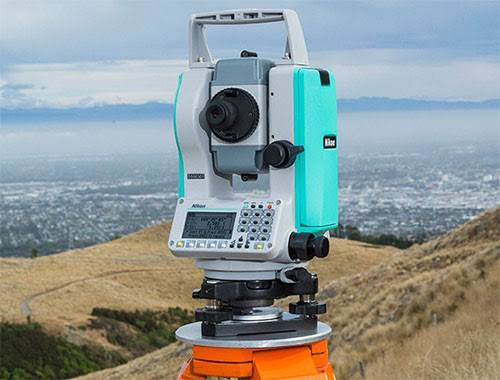
This is where total stations continue to have an important role. While drones can provide an impressive overview, surveyors still need reliable ground-based measurements for setting out, checking positions and validating digital models. A Nikon total station can therefore sit alongside drones, GNSS receivers and modern software rather than being replaced by them.

For survey teams working across the UK, this combined approach is becoming increasingly relevant. With pressure to complete projects efficiently, reduce rework and make better use of digital information, the future of surveying may not be about choosing between old and new technology. It may be about making the technologies work together.

Drones Have Changed the Surveying Conversation

A drone can cover a large area quickly. This makes it particularly useful for construction sites, quarries, road projects, agricultural land and large-scale development.

Instead of sending a surveyor across an entire site simply to understand its current condition, a drone can collect hundreds or thousands of images. Those images can then be processed into orthomosaics, point clouds and three-dimensional models.

For UK construction companies facing demanding schedules, this can save valuable time. A site manager can obtain a visual record of progress without waiting for a conventional site inspection to cover every corner.

However, there is an important limitation. Aerial imagery tells you what a site looks like, but it does not automatically answer every question about precise coordinates, elevations or construction tolerances.

That distinction is why ground-based instruments remain relevant.

Why Total Stations Still Matter

A total station combines several measurement functions into one surveying instrument. It can measure angles and distances and help surveyors determine precise positions on the ground.

Consider a building project. A drone may produce an excellent three-dimensional representation of the site, but the construction team may still need to establish the exact position of a column, wall, foundation or drainage feature.

This is where a total station becomes particularly useful.

Nikon has a long history in optical measurement technology, and Nikon total stations can serve as an example of how established surveying equipment can fit into a modern digital workflow. The instrument does not have to compete with a drone. Instead, it can provide the highly controlled ground measurements needed to check and complement aerial information.

The result is a workflow in which each technology does what it does best.

From the Sky to the Ground

Imagine a large infrastructure project somewhere in the UK. A drone begins by surveying the wider site, collecting imagery that can be converted into a digital surface model.

The survey team can then identify areas that require closer inspection. Instead of measuring every point manually, surveyors can use the aerial data to focus their ground-based work where precision matters most.

A total station can subsequently be used to establish control points, verify critical locations and support setting-out activities.

This creates a useful division of labour. The drone provides speed and coverage, while the total station provides controlled, precise measurements at ground level.

For busy UK projects, this combination can be more practical than treating either technology as a complete replacement for the other.

Battery Reliability Is Part of the Workflow

There is another factor that is easy to overlook: power.

Modern surveying equipment may contain advanced optics, electronic measurement systems, wireless communication functions and digital interfaces. None of these features is particularly useful if the instrument runs out of power halfway through a demanding site operation.

This makes battery management an important part of professional fieldwork. Survey teams often work outdoors for long periods, sometimes in changing weather and away from convenient charging points.

Having suitable Nikon Batteries available can therefore make a difference to daily planning. A spare battery can reduce unnecessary interruptions, particularly when a team is moving between different areas of a large site.

For companies managing several instruments, maintaining an organised stock of Nikon Batteries can also help avoid a surprisingly simple problem: having the equipment ready but not having enough usable power to keep it operating.

British Weather Makes Preparation Essential

Surveying in Britain comes with a familiar challenge: the weather rarely follows the schedule.

A project might begin under clear skies and finish in rain, wind or low temperatures. Conditions can change quickly, particularly on exposed construction sites and rural infrastructure projects.

Surveyors therefore need to think beyond the specifications of individual instruments. Batteries, protective cases, charging equipment and backup equipment all form part of a practical field kit.

This is another reason why Nikon Batteries can be considered within the wider surveying workflow rather than simply as an accessory. Reliable power supports continuity, and continuity matters when a team has limited access to the site or a narrow window for completing measurements.

Good preparation can prevent a small power issue from becoming a much larger scheduling problem.

The Rise of BIM and Digital Construction

Britain’s construction sector is becoming increasingly dependent on digital information. Building Information Modelling, cloud-based project management and three-dimensional site data are changing how teams plan and monitor projects.

The challenge is ensuring that digital models accurately reflect physical reality.

A drone can contribute large quantities of visual and spatial data. GNSS technology can provide positioning information. A total station can deliver precise measurements at selected locations.

Together, these technologies can create a stronger feedback loop between the digital model and the real construction site.

For example, if a contractor needs to verify whether a structural element has been installed in the correct position, ground-based measurement can provide a direct check. If discrepancies are found early, the project team may be able to address them before they lead to costly rework.

This is where surveying technology becomes more than a measurement tool. It becomes part of the information infrastructure of a construction project.

AI Could Make the Data Even More Useful

Artificial intelligence is increasingly being discussed across Britain’s technology and construction sectors. In surveying, one of the most interesting opportunities is not necessarily replacing surveyors, but helping them process large volumes of information more efficiently.

A drone can generate enormous datasets. Automated software can identify patterns, classify objects and compare different site surveys.

But better data processing does not remove the need for reliable data collection.

If the original measurements are inaccurate or poorly controlled, sophisticated software cannot magically turn them into dependable information. Ground-based instruments therefore remain important for establishing and checking the quality of spatial data.

In this environment, a Nikon total station can represent the measurement layer that supports a broader digital ecosystem. The future surveyor may spend less time collecting routine information manually and more time managing, checking and interpreting data from several connected technologies.

Infrastructure Projects Need Multiple Technologies

The UK’s transport and infrastructure landscape provides an obvious example of why this matters.

Railway upgrades, road improvements, utilities, housing developments and urban regeneration projects can cover large and complicated areas. Different parts of the same project may require different surveying techniques.

A drone can quickly capture progress across a construction corridor. GNSS equipment can help establish positioning over open areas. A total station can be used where highly controlled measurements are required, especially around structures or locations where satellite signals may be less dependable.

This multi-technology approach can also improve communication between different teams. Engineers, surveyors, contractors and project managers can work from a shared digital representation of the site while still having access to precise field measurements.

The key is not to ask which technology is the newest. The better question is which combination produces the most useful result.

Battery Planning Becomes More Important as Equipment Gets Smarter

As surveying instruments become more connected, power requirements and operational planning deserve greater attention.

Wireless data transfer, electronic displays and additional onboard functions can all affect how long equipment can operate in the field. Survey teams working on extensive sites may therefore need to plan charging and battery changes alongside their daily measurement schedule.

Keeping several Nikon Batteries properly maintained can be a straightforward way to improve operational resilience. It also allows teams to rotate batteries instead of stopping work whenever one reaches a low charge.

For contractors, this is a small operational detail with potentially significant consequences. A few minutes spent changing a battery is manageable; losing a critical measurement window because equipment cannot operate is much less convenient.

The Surveyor Is Still at the Centre

Despite the rapid development of drones, AI and automated mapping, surveying remains a profession that depends on judgement.

A drone can collect imagery. Software can create a point cloud. A total station can measure an exact location. But someone still needs to decide what should be measured, whether the data makes sense and how the results should influence the project.

This human element is particularly important when working in complex urban environments or on infrastructure projects where tolerances are tight.

Technology can make a surveyor faster and better informed, but it does not eliminate professional responsibility.

What the Future Surveying Workflow Could Look Like

The surveying workflow of the future is unlikely to be entirely aerial or entirely ground-based.

A typical project could begin with drone imagery to understand the wider site. Digital processing could then create a detailed model. GNSS and total stations could establish and verify control points, while targeted measurements could confirm critical construction features.

AI-assisted software could help compare new data with previous surveys and highlight potential differences. Surveyors could then investigate those areas and provide verified information to engineers and contractors.

In such a system, the total station is not an outdated piece of equipment sitting beside futuristic technology. It is one component of an integrated measurement network.

Nikon provides a useful example of this transition. Its surveying equipment demonstrates how established precision measurement principles can remain relevant even as the surrounding workflow becomes increasingly digital.

A Smarter Future Is About Integration

The biggest lesson from the rise of drone surveying is perhaps surprisingly simple: seeing more does not necessarily mean measuring better.

Drones offer speed, scale and a valuable aerial perspective. Total stations offer controlled ground-based measurement and precise positioning. GNSS, cloud platforms, BIM and AI add further layers of capability.

When these technologies are integrated intelligently, UK survey teams can potentially collect information faster while maintaining the level of accuracy required for demanding projects.

And beneath all the discussion about artificial intelligence and autonomous surveying, practical details still matter. Equipment needs to be available, prepared and powered when the survey team needs it. For users of compatible Nikon equipment, keeping dependable Nikon Batteries ready for fieldwork can be just as important as having the latest software.

The future of surveying is therefore unlikely to belong exclusively to drones or robots. It will belong to workflows that combine aerial vision, ground-level precision and human expertise. Drones may show us the whole picture from above, but on Britain’s construction sites, someone still needs to measure what is happening on the ground.

The Second-Life Tablet Trend: How a Fresh Battery Could Change the Value of the Blackview Tab 12 Pro

For years, buying a new tablet has seemed like the easiest way to get better performance, a brighter display and longer battery life. But the way people in the UK think about technology is changing. With household budgets under pressure and growing interest in more sustainable consumption, keeping an existing device for longer can make more sense than replacing it.

This is where the idea of a tablet’s “second life” becomes interesting. A device that still handles streaming, browsing, video calls, reading and everyday productivity may not need to be replaced simply because its battery has aged. For owners of the Blackview Tab 12 Pro, battery condition can therefore become an important part of the device’s long-term value.

Why the Second-Life Technology Trend Matters in Britain

The UK technology market is increasingly shaped by two competing ideas: people want capable devices, but they are also becoming more careful about unnecessary spending. A tablet does not automatically become obsolete because a newer model has appeared.

For many households, an older tablet can still perform useful everyday tasks. Children may use it for educational content, commuters may use it for entertainment, and adults may rely on it for emails, online services and video calls.

This makes extending the usable life of technology increasingly attractive. Instead of asking, “What is the newest tablet?”, consumers are also asking, “How much longer can my current tablet realistically last?”

The Blackview Tab 12 Pro is a useful example of this changing mindset. When the hardware remains suitable for a user’s needs, battery condition can have a surprisingly large influence on whether the device feels worth keeping.

A Tablet Can Feel Old Before Its Hardware Actually Is

One of the most frustrating experiences with an ageing tablet is seeing battery life gradually decline. When a device was once capable of lasting through a long afternoon but now needs frequent charging, the whole experience can feel outdated.

That perception can be misleading.

A slower-feeling experience may sometimes be linked to background applications, storage limitations or software changes. However, poor battery endurance is particularly noticeable because it directly affects how and where the tablet can be used.

Consider a Blackview Tab 12 Pro that spends most of its time on a kitchen table. If its battery no longer lasts comfortably through an evening of streaming and browsing, its owner may start considering replacement.

But if the display, processor, connectivity and storage still meet everyday requirements, replacing the entire tablet may not necessarily be the most economical decision.

Battery Life Changes the Meaning of “Value”

When consumers compare technology, they often concentrate on specifications and purchase price. Long-term value is more complicated.

A tablet’s real value depends partly on how reliably it can perform the jobs its owner needs. A device that costs less but becomes inconvenient after a short period may provide less value than an older device that continues to work reliably.

This is why battery health deserves more attention.

For a Blackview Tab 12 Pro, battery performance affects portability. If users have to carry a charger everywhere, they may stop taking the tablet on journeys. If the battery percentage falls rapidly during video calls, remote work becomes less convenient. If a tablet needs charging several times a day, spontaneous use becomes more difficult.

A healthier battery can therefore improve the practical value of hardware that is otherwise still perfectly usable.

What Does a “Second Life” Really Mean?

Giving a tablet a second life does not mean pretending that an old device is equivalent to a brand-new model. It means matching the device to realistic expectations.

For example, a user may not need the latest gaming performance or cutting-edge AI features. They may simply want a dependable screen for watching programmes, reading the news, managing documents and browsing the web.

In that situation, extending the useful life of a Blackview Tab 12 Pro can be a sensible option.

The same principle applies across the wider UK electronics market. Laptops, smartphones, tablets and headphones can remain useful long after their first ownership period, particularly when their most vulnerable components are properly maintained.

The Hidden Cost of Replacing a Working Tablet

Buying a new tablet involves more than the advertised price. There can be accessories to replace, cases that no longer fit, data to transfer and time spent configuring a new device.

There is also the environmental cost of producing and transporting another piece of electronics.

This does not mean consumers should never upgrade. New hardware can offer meaningful improvements in display quality, performance, connectivity, security or software support.

However, if the main complaint about a Blackview Tab 12 Pro is simply that its battery no longer provides the same endurance as it once did, it is worth separating that problem from the condition of the tablet as a whole.

That simple distinction can prevent unnecessary replacement.

How to Tell Whether Your Tablet Still Has Useful Life Left

Before deciding what to do with an ageing Blackview Tab 12 Pro, users should look at its overall condition rather than judging it solely by battery performance.

Start with everyday usage. Does the tablet still open the applications you use? Is web browsing comfortable? Can it handle streaming and video calls without causing major frustration?

Next, consider physical condition. A damaged charging port, cracked screen or unreliable buttons may be more significant than normal battery ageing.

Software support also deserves attention. Security and compatibility should remain important considerations when deciding how long any connected device should stay in active use.

Finally, think about the battery itself. Rapid percentage drops, unexpected shutdowns, excessive charging frequency or a noticeable reduction in runtime can all indicate that battery condition is becoming the main limitation.

A Fresh Battery Can Change Everyday Behaviour

The biggest benefit of improving battery condition is not necessarily a higher specification. It is freedom.

A tablet with dependable battery endurance can once again be left in a bag without the constant worry that it will run out of power. It can be used on a train, in a café or during a long journey without immediately searching for a socket.

For a Blackview Tab 12 Pro, this can make the difference between being an occasionally used device and becoming a dependable everyday companion again.

That distinction is particularly relevant as British consumers continue to look for ways to get more value from technology they already own.

Battery Replacement Is Not Always the Right Answer

There is an important caveat: a battery change should not automatically be treated as the solution to every ageing-tablet problem.

If a device has serious hardware faults, major physical damage or software limitations that prevent normal use, investing in the battery may not make economic sense.

The condition of the replacement battery and the quality of the installation also matter. Users should choose a compatible battery and follow appropriate safety procedures. Lithium-ion batteries should never be punctured, crushed or handled carelessly.

For businesses managing multiple devices, it can also be useful to compare the cost of extending existing equipment with the cost of purchasing replacements.

The UK Refurbished-Tech Conversation Is Getting Broader

The second-life trend is closely connected to the wider refurbished technology market. Consumers are becoming more comfortable with the idea that “used” does not automatically mean “unusable”.

What matters is condition, reliability and expected remaining lifespan.

This is especially relevant for products that do not require the newest technology to perform their main tasks. A tablet used primarily for streaming, reading, education or basic productivity may remain perfectly suitable for years.

A well-maintained Blackview Tab 12 Pro therefore has a different proposition from a device that is already failing in several areas. Battery condition can help determine which category it falls into.

Could Battery Health Become a Bigger Buying Factor?

Traditionally, buyers have compared tablets by screen size, processor, RAM, storage and camera specifications. Battery capacity is also frequently listed, but battery health after years of use receives far less attention.

That may change.

As consumers become more interested in the total cost of ownership, battery longevity could become a much more important consideration when buying or selling used electronics.

Someone considering a second-hand Blackview Tab 12 Pro, for instance, may reasonably want to know not only how the tablet looks, but also how long it can operate between charges.

That is a broader shift from specification-focused shopping towards condition-focused shopping.

Making an Older Tablet More Useful

A battery is only one part of the second-life equation. Users can also improve their experience by removing applications they no longer need, keeping storage under control and reviewing background activity.

Reducing unnecessary screen brightness can help in situations where maximum brightness is not required. Keeping the operating environment organised can also make an older tablet feel more responsive.

The goal is not to turn an older Blackview Tab 12 Pro into a completely different device. Instead, it is about removing the small frustrations that gradually cause people to abandon otherwise useful technology.

A More Sustainable Way to Think About Technology

The second-life tablet trend ultimately represents a change in attitude. Instead of treating every new product launch as a reason to upgrade, consumers can ask whether their current device still meets their needs.

For British households trying to control spending, that approach can be financially attractive. For environmentally conscious consumers, extending a product’s useful lifespan can also fit naturally into a more circular approach to electronics.

The Blackview Tab 12 Pro demonstrates the idea particularly well: the value of an existing tablet is not determined entirely by its age. Its usefulness depends on the combination of hardware condition, software compatibility, battery performance and the user’s actual requirements.

Sometimes the Best Upgrade Is a Longer Life

Technology does not always need to be replaced to become useful again. Sometimes, the most meaningful improvement is simply restoring the part that has become the biggest limitation.

For the Blackview Tab 12 Pro, battery condition can have a direct impact on portability, convenience and everyday usability. If the rest of the tablet still performs the tasks its owner needs, extending its life may be a more rational choice than immediately buying another device.

As the UK technology market moves towards more careful spending, refurbished products and longer ownership cycles, the idea of a tablet’s second life is likely to become increasingly relevant.

The question is no longer simply, “Is this tablet old?”

It is becoming: “Is this tablet still useful, and what would it take to keep it useful for longer?”

Beyond the Badge: Why Hikvision’s DS-MCH408, MCH208, and HIKB1A1 Are Redefining Wearable Accountability

From the streets of London to the scaffolding of construction sites across the country, wearable cameras have become the silent witnesses of modern Britain. The Metropolitan Police’s recent commitment to releasing more body-worn video footage to combat viral social media clips has placed these devices firmly in the public eye. Simultaneously, road workers are now being equipped with body cameras to tackle record levels of road rage and abuse. In this climate of heightened scrutiny and demand for transparency, Hikvision’s trio of wearable cameras—the DS-MCH408DS-MCH208, and DSJ-HIKB1A1—are emerging as compelling solutions for professionals who need to record, stream, and verify.

Design and Durability: Built for the Frontline

The first thing you notice about these devices is their purposeful, no-nonsense design. The DS-MCH408 and DS-MCH208 are helmet-mounted cameras weighing just 110 grams (without the mounting bracket), with compact dimensions of 55×55×31mm. They are designed to integrate seamlessly with existing safety helmets—a critical feature for construction workers, utility inspectors, and industrial teams who cannot afford bulky, obstructive equipment. The DSJ-HIKB1A1, by contrast, is a handheld or clip-on body camera measuring 82.6×58×29mm.

What truly sets these devices apart in the UK market is their ruggedness. The DS-MCH408 and MCH208 boast an IP67 rating, meaning they are completely dust-tight and can survive immersion in water up to one meter deep. The DSJ-HIKB1A1 goes even further with an IP68 rating, offering protection against continuous submersion. Whether enduring the rain-soaked streets of Glasgow or the dust-choked environments of a demolition site, these cameras keep recording when it matters most.

Performance and Connectivity: The Eyes That Never Blink

At the heart of these devices lies impressive imaging capability. The DS-MCH408 leads the pack with a 400-megapixel 1/3″ CMOS sensor capable of outputting 2688×1520 still images and 1080p video at 25 frames per second. The DS-MCH208 offers 1080p recording at 30 fps with H.264 and H.265 compression, while the DSJ-HIKB1A1 matches this with 1080p HD recording and 125° wide-angle lens coverage.

Connectivity is where these devices truly shine. The DS-MCH408 supports 4G LTE across multiple bands, Wi-Fi 802.11 b/g/n, and Bluetooth 4.0. It also integrates GPS and BeiDou satellite positioning for real-time location tracking. The DS-MCH208 offers similar connectivity options—with 4G available on select models alongside Wi-Fi and Bluetooth—but positions itself as the more cost-effective Wi-Fi-centric option. The DSJ-HIKB1A1 rounds out the trio with 4G, Wi-Fi, and GPS/BeiDou support, making it equally capable for remote monitoring and evidence transmission.

Battery life is a critical concern for any professional relying on wearable cameras, and these devices deliver. The DS-MCH208 offers up to 12 hours of continuous recording at 720p resolution from its integrated 3300mAh lithium-ion battery. With the growing demand for long lasting helmet camera battery packs that can survive an entire shift without interruption, this endurance is a significant selling point for construction and infrastructure teams working extended hours.

Smart Features: Intelligence Beyond Recording

These are not passive recording devices; they are intelligent safety tools. The DS-MCH408 and MCH208 include SOS alarm functionality, allowing workers to instantly signal for help in emergency situations. The MCH208 also features fall detection, which automatically triggers alerts if a worker collapses or suffers an impact—a potentially life-saving capability on construction sites. The DSJ-HIKB1A1 includes dedicated buttons for power, recording, audio recording, intercom, alarm, and function keys. Its 2.0-inch TFT display provides real-time feedback, while the 3000-megapixel photo capability ensures high-resolution still capture for evidentiary purposes. The devices also support local storage via TF cards up to 512GB, ensuring that footage is always securely retained even when network connectivity is unavailable.

The Battery Question: Powering the Shift

As the UK’s body-worn camera market surges—projected to grow from USD 98.57 million in 2024 to over USD 400 million by 2033—the question of power management becomes increasingly pressing. Users seeking compatible replacement batteries for wearable cameras will find that the DS-MCH408, MCH208, and HIKB1A1 share a common 614540-form-factor lithium-polymer battery with a capacity of approximately 3220mAh. This cross-compatibility across the three models simplifies logistics for organisations managing fleets of devices. Additionally, those looking for high capacity body camera power cells will appreciate the 12-hour operational window, which aligns with the typical full-day shift patterns of law enforcement officers and security personnel across the UK. The USB Type-C charging interface on all models ensures fast, universal recharging, a convenience that resonates with modern professionals who expect seamless integration with their existing device ecosystems.

Transparency in Action: Aligning with UK Trends

The timing of these devices’ capabilities could not be more relevant. In May 2026, the Metropolitan Police announced a significant policy shift: officers would release more body-worn video footage to improve transparency and counter “selectively edited” social media clips. This move follows the rollout of body cameras to approximately 1,100 officers across Lanarkshire in Scotland and the deployment of cameras to road workers facing record levels of abuse. The common thread is accountability—and Hikvision’s devices are engineered to deliver exactly that. With robust encryption (AES128 and AES256) and digital watermarking capabilities, footage captured by these cameras can withstand scrutiny in courtrooms and public inquiries alike.

The Hikvision DS-MCH408, DS-MCH208, and DSJ-HIKB1A1 represent a comprehensive ecosystem of wearable visual technology, each tailored to specific professional needs. The MCH408 is the premium 4G-enabled powerhouse for real-time streaming and remote monitoring; the MCH208 is the reliable Wi-Fi workhorse for cost-conscious deployments; and the HIKB1A1 is the dedicated law-enforcement tool built for the rigours of frontline policing. As the UK continues to embrace wearable cameras as instruments of transparency, safety, and justice, these devices offer the performance, durability, and intelligence that modern professionals demand.

Built for the Real World: How Getac’s U43E1, U43S1, U47T1 and M141 Fit the Next Generation of Mobile Computing

When “Portable” Means More Than Carrying a Laptop

The idea of a mobile computer is changing quickly. For years, portability largely meant a thinner chassis, a lighter charger and a screen that could fit comfortably into a backpack. Today, however, professionals working in transport, utilities, construction, public services and industrial environments often need something very different.

They need a computer that can travel beyond the office without becoming a liability.

That is where Getac’s U43E1, U43S1, U47T1 and M141 stand out. Rather than following the conventional consumer laptop formula, these devices are designed around mobile professional computing, combining practical displays, connectivity, physical durability and flexible power options.

As interest in AI PCs, hybrid working, digital field services and increasingly connected infrastructure continues to shape the technology market, rugged computing is becoming an increasingly interesting category.

神基手提电脑/笔记本电脑| eBay

Four Devices, Four Approaches to Mobile Computing

The U43E1, U43S1, U47T1 and M141 belong to different points within Getac’s rugged computing portfolio, giving organisations several ways to approach mobile work.

The U43E1 and U43S1 follow the rugged notebook concept, providing a more traditional keyboard-and-screen experience for users who need to enter substantial amounts of information. The U47T1 takes the concept towards a larger-screen mobile workstation, while the M141 adopts a tablet-oriented format that can make more sense when mobility and touch interaction are priorities.

That distinction is important. A field engineer entering detailed reports may prefer a physical keyboard, whereas someone inspecting equipment or reading digital drawings while standing may benefit from a touchscreen tablet.

The result is not simply four variations of the same product. It is a choice between different ways of working.

Design That Puts the Working Environment First

At first glance, the design language of these Getac devices immediately separates them from mainstream consumer notebooks and tablets.

Instead of prioritising an ultra-thin profile at all costs, rugged devices typically place greater emphasis on structural protection, practical handling and reliable operation in demanding conditions. The reinforced appearance communicates their intended role: these are computers designed to be used as working equipment rather than treated as delicate personal electronics.

That matters for professionals moving between vehicles, workshops, warehouses and outdoor locations.

The U43-series machines offer the familiar layout of a rugged laptop, while the M141 provides a more mobile tablet-style experience. The larger U47T1 sits between portability and screen real estate, offering an appealing proposition for people who need more room for documents, technical interfaces and data.

Screens Designed for Real Working Conditions

A display is only useful if workers can actually see and interact with it.

This becomes particularly relevant when a device moves outside the controlled lighting of an office. Glare, changing daylight and awkward viewing angles can make a conventional screen surprisingly frustrating.

Getac’s professional devices focus on visibility and usability as part of the overall design philosophy. Depending on configuration, features can include touch interaction and displays designed to remain practical in challenging lighting conditions.

The M141 is particularly interesting in this respect because the tablet format makes direct interaction natural. Workers can move through digital forms, drawings, maps and applications without constantly reaching for a mouse.

For modern field operations, that seemingly simple interaction can save time throughout an entire shift.

Performance for a More Connected Workplace

The current laptop market is increasingly dominated by conversations about AI acceleration, energy efficiency and performance-per-watt. Consumers are comparing processors not only by conventional speed but also by how effectively they handle video calls, multitasking, local AI functions and professional applications.

Rugged computers face the same technological expectations.

The U43E1, U43S1, U47T1 and M141 are built around professional mobile computing rather than entertainment-first specifications. Their value comes from balancing computing performance with connectivity, durability and practical field operation.

For organisations, that balance can be more important than chasing benchmark numbers.

A technician may simultaneously need a maintenance application, digital documentation, a web-based system, photographs and communication software. A suitable professional machine therefore needs enough processing capability and memory to keep those workflows manageable without sacrificing the physical characteristics required by the job.

Connectivity Is Becoming a Core Feature

Modern field work increasingly depends on staying connected.

Transport networks, utilities and industrial operations now generate large quantities of digital information. Employees may need to access cloud platforms, update asset records, communicate with colleagues or transmit inspection information while away from headquarters.

That makes connectivity an important part of a mobile computer’s overall usefulness.

The Getac approach is built around professional mobility, with configurations and accessories designed to support different working environments. Depending on the specific device and configuration, users can benefit from technologies such as wireless networking, Bluetooth and mobile connectivity options.

This is particularly relevant as businesses move towards increasingly digital workflows. A rugged computer is no longer simply replacing paper forms. It can become the interface between a worker and an organisation’s wider digital infrastructure.

The Battery Question Is More Important Than It Looks

There is one component that can quietly determine whether a mobile computer remains useful throughout the working day: its battery.

A powerful processor means very little if a field worker has to stop halfway through an inspection because the device is running low on power. For professionals working away from convenient charging points, predictable battery endurance is an operational issue rather than a minor specification.

This is why searches for laptop battery replacement options have become increasingly relevant to people who rely on mobile computers for demanding work.

For rugged systems, the question is not simply about maximum capacity. Organisations also need to consider how batteries are managed, whether additional battery solutions are available, how devices are charged between shifts and how easily power can be maintained during extended field operations.

The U43E1, U43S1, U47T1 and M141 therefore need to be viewed as complete mobile computing systems rather than isolated pieces of hardware.

Flexible Power for Mobile Professionals

The power requirements of a person working in a city office are very different from those of someone travelling between infrastructure sites.

A field team might spend part of the day in a vehicle, move into a warehouse and later work outdoors. A device that can adapt to those changes is considerably more useful than one designed around a single environment.

This makes replaceable or additional battery solutions particularly interesting in professional computing.

When searching for a replacement battery for rugged laptop, users are often looking beyond simple compatibility. They want to know whether the battery fits their workflow, provides dependable operating time and works with the way their organisation manages equipment.

For businesses managing fleets of computers, consistent battery planning can also make device deployment easier. Keeping suitable power options available can help reduce interruptions and make mobile teams less dependent on fixed charging locations.

Smart Features Are Changing the Meaning of Rugged

Rugged computing is sometimes associated with old-fashioned industrial technology, but that image is increasingly outdated.

Today’s professional users expect touchscreens, wireless connectivity, modern operating systems, high-speed data transfer and seamless integration with digital platforms. They may also expect cameras, security features and tools that support increasingly paperless workflows.

That is why devices such as the M141 are particularly relevant to the current technology landscape. The tablet form factor reflects the wider consumer trend towards touch-first computing, while its rugged positioning addresses environments where an ordinary tablet may not be the most practical choice.

Meanwhile, rugged notebooks such as the U43-series continue to make sense for users who need a conventional keyboard and a more substantial computing interface.

A Useful Match for the AI Era

Artificial intelligence is another major trend reshaping the electronics market.

AI-powered software is increasingly appearing in office applications, search tools, document processing, image analysis and professional workflows. While not every field task requires local AI processing, the broader shift towards intelligent software is changing what users expect from computers.

In industries such as utilities and engineering, AI could eventually assist with predictive maintenance, equipment analysis, image recognition and large-scale data interpretation.

That creates an interesting role for rugged computing.

The computer carried by an engineer could become more than a digital clipboard. It could provide access to analytical tools that help workers interpret information closer to the point where it is collected.

The key is still usability. A device needs to remain dependable before its smart features can provide meaningful value.

Why Durability Can Matter More Than Ultra-Thin Design

The mainstream laptop market has spent years making computers thinner and lighter. That has been excellent for commuters and consumers, but professional environments do not always reward minimalism.

A computer used on a construction site, in a vehicle or around industrial equipment faces risks that a device sitting on a desk does not.

Drops, vibration, dust, moisture and temperature changes can all affect equipment.

The rugged philosophy therefore asks a different question: not “How thin can this computer become?” but “How reliably can this computer perform where people actually need it?”

That makes the U43E1, U43S1, U47T1 and M141 particularly interesting in an era when businesses are increasingly questioning the true cost of downtime.

Battery Life and Long-Term Device Planning

There is also a financial argument for thinking carefully about power management.

A device may remain perfectly useful for years while its battery gradually becomes less effective. This is especially relevant for organisations that operate fleets of mobile computers and need predictable equipment availability.

A search for long-lasting laptop battery replacement is therefore not necessarily about extending the life of an old computer for its own sake. It can be part of a broader strategy for managing mobile technology more efficiently.

Instead of replacing an entire device because its power performance no longer matches operational requirements, businesses can evaluate the condition of the hardware, battery options and expected workload separately.

That approach fits neatly with the wider technology industry’s growing focus on sustainability, repairability and reducing electronic waste.

From Smart Transport to Digital Infrastructure

The rise of connected transport provides another reason to pay attention to rugged mobile devices.

Rail networks, logistics operations, vehicle fleets and charging infrastructure increasingly depend on digital systems. Workers need instant access to information that was once stored in paper manuals or desktop databases.

A rugged notebook can provide a physical connection to that digital ecosystem.

The U47T1, for example, represents the appeal of having more screen space when reviewing detailed information. The U43 models offer a more conventional notebook experience for users who regularly type reports and work with professional applications. The M141 takes the opposite approach, emphasising mobility and touch-based interaction.

Different jobs naturally demand different formats.

The Real Highlight Is Adaptability

Perhaps the most interesting characteristic shared by these Getac devices is not a single processor, screen specification or design feature.

It is adaptability.

The U43E1, U43S1, U47T1 and M141 demonstrate how computing hardware can be designed around the environment in which it will actually be used. That is becoming increasingly important as the boundary between office work and field work continues to disappear.

A technician can be a data analyst in the morning, an equipment inspector at lunchtime and a remote support specialist in the afternoon.

The best mobile computer is therefore not necessarily the one with the most impressive specification sheet. It is the one that remains useful through all three situations.

A Different Vision of the Modern Laptop

The future of computing will not be defined exclusively by thinner laptops, brighter displays or faster processors.

As AI, connected infrastructure, digital transformation and mobile working continue to develop, there will also be demand for computers designed for places where ordinary consumer electronics are not always comfortable.

Getac’s U43E1, U43S1, U47T1 and M141 illustrate that alternative direction.

Their rugged designs, professional functionality, flexible form factors and emphasis on dependable field operation make them relevant to a world where computing increasingly happens away from the traditional desk.

And as users become more conscious of power management, the role of a dependable laptop battery replacement solution becomes part of the wider conversation about keeping mobile technology productive for longer.

The biggest lesson is simple: the modern laptop does not have to be defined by the office.

Sometimes, the most advanced computer is the one that is ready to leave it.