Apple is giving its smartwatch ambitions a fresh push, and artificial intelligence is becoming an increasingly important part of the experience. With growing interest in wearable technology across the UK, the latest Apple Watch software developments raise an interesting question: can AI make a smartwatch genuinely more useful, rather than simply adding another collection of features?
Two particularly interesting additions deserve attention: Workout Buddy, which uses Apple Intelligence to provide personalised fitness encouragement, and smarter, AI-assisted workout insights that help users understand their exercise performance and make better training decisions. Together, they point towards a future in which the Apple Watch becomes more than a device for counting steps and displaying notifications.
For British consumers who already rely on their watches to monitor exercise, sleep and everyday health, these developments could make a noticeable difference.
1. Workout Buddy: Your Personal AI Fitness Companion
The most interesting addition is Workout Buddy, an AI-powered fitness companion designed to make exercise feel more personal. Instead of simply recording distance, heart rate and calories burned, the feature aims to provide encouragement based on an individual’s fitness history and current workout.
Imagine heading out for a morning run in London or completing a lunchtime walk in Manchester. Rather than repeatedly checking your watch for statistics, you can receive motivational feedback and reminders about your progress.
The idea is to make exercise feel less like following numbers on a screen and more like having a supportive training partner.
Workout Buddy uses information from the user’s Activity and workout history to make its feedback more relevant. For example, it can recognise improvements in performance and offer encouragement during a training session.
This could be particularly useful for people who exercise regularly but do not have access to a personal trainer.
However, there is an important limitation. AI encouragement is not the same as professional coaching. It cannot replace a qualified fitness instructor who can assess running technique, identify injuries or adjust a training programme after observing someone in person.
Nevertheless, for everyday runners and people trying to become more active, Apple Watch AI fitness features could make maintaining a routine considerably easier.
2. Smarter Workout Insights: Understanding More Than Your Step Count
The second important development is the growing role of intelligent workout analysis within Apple’s fitness ecosystem.
For years, the Apple Watch has collected extensive information about physical activity. Users can examine heart rate, exercise duration, distance, calories burned and other measurements through the Workout and Fitness apps.
The challenge has always been understanding what those numbers actually mean.
More intelligent workout analysis aims to turn collected information into something more useful. Rather than concentrating exclusively on individual statistics, users can gain a clearer picture of exercise intensity, performance changes and recovery patterns.
For example, someone training for a half-marathon could compare recent running sessions and identify whether their pace is improving. A casual cyclist might use workout trends to understand how consistently they are exercising.
This is particularly relevant in the UK, where running clubs, cycling communities and recreational fitness activities remain popular.
The advantage is straightforward: AI-powered fitness tracking can make personal activity data easier to understand, even for people who have never followed a structured training programme.
However, users should remember that smartwatch measurements are estimates. They are useful for identifying patterns, but they should not be treated as medical diagnoses or perfectly accurate measurements of physical performance.
Why Is Apple Bringing More AI to the Wrist?
Apple is operating in an increasingly competitive wearable market. Samsung, Google and Garmin have all been developing increasingly sophisticated smartwatch experiences, combining fitness tracking, health monitoring and intelligent software.
For Apple, adding AI to the Apple Watch is about making the device more useful without requiring users to constantly interact with their iPhones.
The UK market is particularly interesting because consumers increasingly expect their technology to offer practical benefits rather than simply impressive specifications.
A smartwatch that helps someone maintain a running routine or understand their activity levels has a clearer everyday purpose than one that simply offers another notification system.
There is also a wider conversation about digital wellbeing. Many people want to spend less time looking at their phones while still keeping track of important information. A more intelligent Apple Watch could help achieve that balance by presenting relevant information directly on the wrist.
Apple Watch Specifications: What Hardware Makes These Features Possible?
The experience depends on the combination of Apple’s smartwatch hardware, watchOS software and compatible iPhone technology.
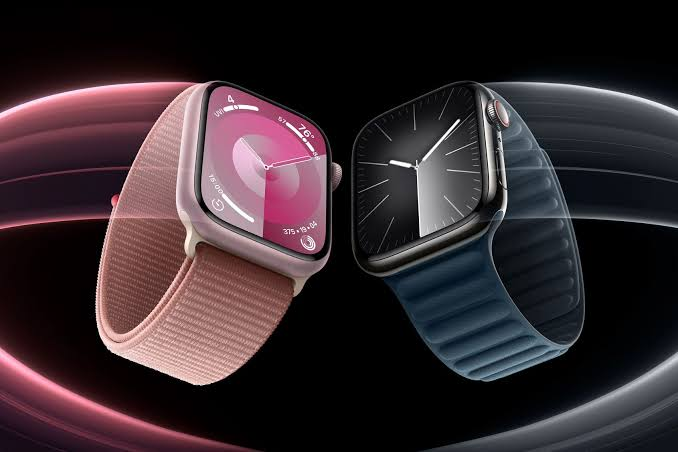
The Apple Watch Series 11, Apple Watch Ultra 3 and Apple Watch SE 3 represent different approaches to the smartwatch market.
The Series 11 is designed for mainstream users who want a balance of health monitoring, fitness tracking and everyday convenience. It offers a lightweight design, a Retina display, heart-rate monitoring, GPS and a range of health-related features.
The Ultra 3 takes a more specialised approach. Its larger display, rugged titanium construction, extended battery life and advanced outdoor capabilities make it particularly attractive to hikers, runners and endurance athletes.
Meanwhile, the SE 3 provides a more affordable entry point. It retains essential smartwatch functions, including activity tracking, notifications and fitness features, without offering every advanced health capability found on the more expensive models.
One important distinction is that not every Apple Intelligence feature is available on every Apple Watch. Some experiences depend on a compatible iPhone, supported software versions and an internet connection.
This means buyers should check device compatibility before purchasing a watch specifically for its AI capabilities.
The Advantages: More Personal, Convenient and Motivating
There are several reasons why the new direction could be appealing.
First, personalised AI fitness coaching can make exercise more engaging. People who struggle to maintain motivation may appreciate encouragement based on their own progress rather than generic fitness advice.
Second, intelligent analysis makes health and activity information easier to understand. Instead of navigating multiple graphs, users can benefit from clearer explanations of their performance.
Third, the Apple Watch offers convenience. It is already worn throughout the day, making it a natural place for fitness reminders and activity information.
Finally, these developments could make fitness tracking more accessible. Beginners do not necessarily need to understand every technical measurement to benefit from a smartwatch.
For UK consumers balancing busy working days, commuting and family responsibilities, this combination of convenience and motivation could be especially attractive.
The Disadvantages: Privacy, Compatibility and Battery Life
Despite the potential benefits, Apple’s AI strategy is not without challenges.
Privacy is perhaps the biggest consideration. Smartwatches collect sensitive information, including heart rate, activity patterns and other health-related measurements. Users need to understand how their information is processed, stored and shared.
Apple has built its reputation partly around privacy, but consumers should still review their health-data permissions and device settings.
Compatibility is another concern. Some AI experiences rely on specific iPhone models and Apple Intelligence support. Consequently, owning the latest Apple Watch does not automatically guarantee access to every intelligent feature.
Battery life also matters. The standard Apple Watch Series 11 is designed for everyday use, while the Ultra 3 offers greater endurance. However, intensive GPS workouts, frequent notifications and other demanding activities can affect how long a watch lasts between charges.
There is also the question of usefulness. Not everyone wants motivational messages during exercise, and experienced athletes may prefer dedicated training platforms with more detailed performance analysis.
AI should improve the experience, not make a simple workout unnecessarily complicated.
How Does Apple Compare with Samsung and Garmin?
Apple is not alone in exploring intelligent wearable technology.
Samsung’s Galaxy Watch range combines health tracking, sleep monitoring and fitness tools with features supported by its Galaxy ecosystem. Its integration with Android smartphones makes it an appealing alternative for users who do not own an iPhone.
Garmin, meanwhile, remains particularly strong among serious runners, cyclists and outdoor enthusiasts. Its detailed training metrics, recovery information and long battery life appeal to people who prioritise performance over general smartwatch convenience.
Apple’s advantage is its close integration with iOS, the Fitness app and the wider Apple ecosystem.
The company’s challenge is to make its AI features sufficiently useful to convince existing Apple Watch owners that upgrading is worthwhile.
For casual users, Workout Buddy could be more appealing than another collection of advanced training statistics. For professional athletes, Garmin may still offer a more comprehensive training environment.
Apple Watch Batteries – Shop a wide selection of Apple Batteries at www.oriccabattery.co.uk Fast Shipping. 30 Day Replacement Guarantee.