Apple Watch Ultra 4 vs Watch Series 12: What’s the Difference?

Apple has two very different ideas of what a modern smartwatch should be. On one side, there is the rugged, feature-packed Apple Watch Ultra 4, designed with demanding outdoor activities and longer sessions in mind. On the other, there is the more familiar Apple Watch Series 12, aimed at people who want a slim, versatile smartwatch for everyday life.

At first glance, choosing between them might seem straightforward. The Ultra sounds like the obvious choice for serious athletes, while the Series 12 looks more appropriate for ordinary daily use. But the real differences are more interesting than that.

For UK users, the decision can come down to everything from commuting and fitness tracking to weekend hikes, battery life and how comfortable the watch feels on the wrist.
Two Different Approaches to the Apple Watch

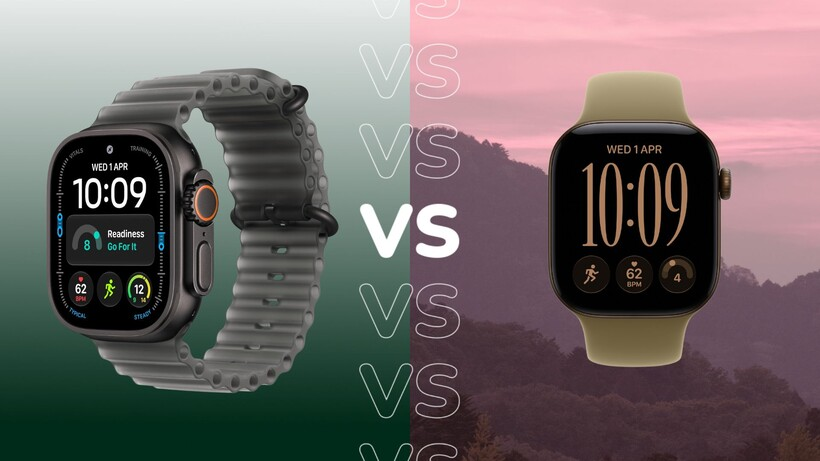
The most important thing to understand about the Apple Watch Ultra 4 vs Watch Series 12 comparison is that these watches are not simply two versions of the same product.

The Ultra range is built around rugged smartwatch design, a larger presence on the wrist and features aimed at outdoor enthusiasts. It is the kind of watch that makes sense when GPS accuracy, durability and battery endurance are high priorities.

The Series 12 takes a different approach. Its appeal is largely about balance. It is intended to work just as naturally with a work outfit as it does with gym clothes, making it easier to wear throughout a normal day.

That difference in philosophy is arguably more important than any individual specification.

Design: Rugged Versus Refined

The Apple Watch Ultra 4 has a noticeably more substantial appearance. Its larger case, robust construction and outdoor-focused design give it the look of equipment rather than simply another piece of consumer electronics.

That can be appealing if you regularly go hiking, cycling or running outdoors. It also suits people who simply prefer a more rugged aesthetic.

The Apple Watch Series 12, meanwhile, follows the familiar Apple Watch formula. Its slimmer profile and lighter feel make it easier to wear for long periods, particularly if you sleep with your smartwatch on.

For many British users, this could be an important distinction. A watch worn during a morning commute, at the office, during a lunchtime walk and while sleeping needs to be comfortable as well as capable.

Display and Everyday Visibility

A smartwatch display needs to work in very different environments. You might check a notification indoors, glance at directions outside or look at workout information under bright daylight.

The Apple Watch Ultra 4 is designed with outdoor visibility in mind, making it particularly attractive to people who spend considerable time outside. Its larger display can also make information easier to read during exercise.

The Watch Series 12 takes a more compact approach while still providing the familiar Apple Watch experience. For messages, notifications, timers, workouts and quick interactions, its smaller footprint can actually be an advantage.

The choice therefore depends partly on what you do most often. If your smartwatch is primarily an extension of your iPhone, the Series 12 may provide everything you need. If the watch itself is becoming a major tool, the Ultra becomes more interesting.

Fitness Tracking Goes Beyond Counting Steps

Modern smartwatches are no longer simply digital pedometers.

Both the Apple Watch Ultra 4 and Watch Series 12 can become useful companions for people who want to monitor activity, workouts and general health trends. But the Ultra’s positioning gives it an advantage for people who take outdoor training more seriously.

For runners, cyclists and hikers, advanced fitness tracking, GPS workout tracking and access to more detailed information can become increasingly important.

Imagine heading out for a long walk through the Lake District. Weather conditions can change quickly, mobile coverage can vary and you may want to keep your phone in your pocket. In that situation, a watch designed around outdoor use can feel considerably more useful.

For someone whose typical workout is a gym session, a run around the local park or a daily walk, the Series 12 may already cover the essentials.

Battery Life Can Change the Experience

One of the biggest practical differences between the two approaches is Apple Watch battery life.

Battery performance is easy to overlook when buying a smartwatch. After all, watches are small devices. But the battery becomes much more important when you are using GPS, tracking workouts, monitoring activity or wearing the watch overnight.

The Ultra line is built around longer endurance, which can make it particularly appealing to users who spend long periods away from a charger.

The Series 12 is more focused on the everyday smartwatch experience. For many users, charging as part of a regular routine may not be an issue at all.

This is worth considering before buying. Someone who regularly takes long weekend adventures may value additional battery endurance far more than someone who spends most of the week near a charger.

Outdoor Features Make the Ultra Stand Out

The Apple Watch Ultra 4 is ultimately designed for users who want their smartwatch to do more outside the home.

Its appeal extends beyond running. Hiking, cycling, swimming and other outdoor activities can benefit from a watch that places greater emphasis on navigation, location tracking and durability.

That makes the Ultra particularly relevant to Britain’s outdoor culture. From coastal walks and countryside trails to weekend cycling routes, there are plenty of situations where a rugged smartwatch can become more than a notification screen.

The Series 12 can still be a capable fitness companion, but its priorities are broader. It is designed to fit into ordinary life rather than specifically targeting adventure.

Health Features Remain Central

For many people, the most useful smartwatch features have nothing to do with extreme sports.

Heart rate monitoring, sleep tracking, activity reminders and workout information can all become part of a normal routine. These features can encourage users to move more, understand their habits and keep an eye on changes over time.

This is where the Apple Watch Series 12 makes considerable sense. Its more understated design means it can sit comfortably alongside a normal daily routine.

The Ultra offers many of the same broad smartwatch principles but adds a stronger outdoor identity. The difference is therefore less about whether one can track health and more about how far you want to take the experience.

Which One Fits Everyday British Life?

For a typical day in the UK, the Series 12 has an obvious appeal.

It can accompany you on the train, display incoming messages during a meeting, track a lunchtime walk, provide workout information at the gym and monitor activity throughout the day without demanding much attention.

The Ultra is a different proposition. Its strengths become more apparent when your day involves long periods outdoors, demanding workouts or activities where durability and battery endurance matter.

That does not mean you need to be an elite athlete to appreciate the Ultra. Some people simply prefer having more capable hardware on their wrist.

Think About How Long You Will Keep It

There is another factor worth considering: long-term smartwatch use.

A smartwatch is not something most people want to replace every year. Battery health, software support, durability and continued performance can all influence how long a device remains useful.

This makes battery condition particularly important as the watch ages. Like other rechargeable electronics, smartwatch batteries gradually lose capacity through normal use. A battery replacement can sometimes extend the useful life of an older device, particularly when the hardware still meets the user’s needs.

For buyers thinking several years ahead, choosing a model based on actual requirements rather than simply buying the most expensive option can therefore make a meaningful difference.

Apple Watch Ultra 4 vs Watch Series 12: The Real Difference

The Apple Watch Ultra 4 vs Watch Series 12 debate is ultimately about priorities rather than simply specifications.

The Ultra focuses heavily on rugged design, outdoor fitness, GPS tracking, longer battery life and a larger, more adventure-oriented experience. The Series 12 takes a more balanced approach, combining fitness tracking, health monitoring, notifications and everyday smartwatch features in a slimmer and more conventional package.

For someone who spends weekends hiking, cycles regularly or wants a smartwatch that can handle longer outdoor sessions, the Ultra’s approach is likely to be particularly relevant.

For someone who mainly wants a stylish everyday smartwatch for notifications, health tracking, workouts and staying connected to an iPhone, the Series 12 offers a very different proposition.
Best AirPods: Which Model Should You Choose for Your Needs?

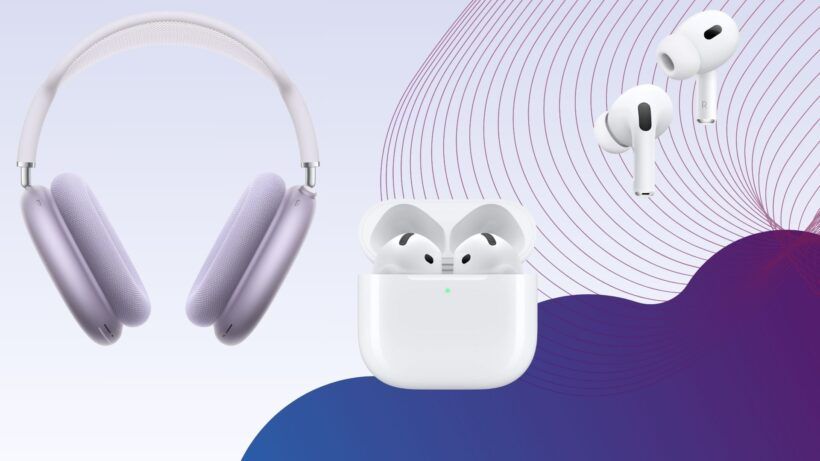
Choosing between different AirPods can be surprisingly difficult. At first glance, the models may look similar, but their features, fit and intended uses can be quite different. For anyone searching for the best wireless earbuds, the decision is no longer simply about choosing the most recognisable name. It is about finding a pair that fits naturally into everyday listening habits.

Some people mainly use earbuds for music and podcasts, while others rely on them for calls, commuting, films or exercise. The right choice therefore depends on how you intend to use them rather than simply how many features a particular model offers.

AirPods Pro 3 Features: Why Should You Consider Them?

For listeners looking for a more advanced experience, AirPods Pro 3 deserves particular attention. The Pro range is designed for people who want a combination of immersive sound, a compact design and additional listening features.

Noise cancellation can be particularly useful when listening in busy surroundings, while the in-ear design provides a different fit from traditional AirPods. For people who regularly move between quiet rooms and noisier environments, having more control over the listening experience can make everyday use considerably more convenient.

The appeal of AirPods Pro 3 also comes from versatility. The same pair can be used for music in the morning, calls during the day and entertainment in the evening without needing to switch between different devices or styles of headphones.

Best Wireless Earbuds for Music, Calls and Streaming

Searching for the best wireless earbuds usually means looking beyond sound quality alone. Modern earbuds have become everyday communication devices, so microphone performance, comfort and connection reliability are equally important.

For music lovers, balanced sound can make vocals clearer and instruments easier to distinguish. For podcast listeners, speech clarity may matter more than powerful bass. Meanwhile, people who spend much of their day on calls may prioritise microphone quality and comfortable controls.

This is why there is no single specification that determines which earbuds are right for everyone. The best option is the one that performs well in the situations you encounter most frequently.

Best Cheap Earbuds: How Can You Save Without Compromise?

The search for best cheap earbuds is increasingly relevant for buyers who want dependable wireless audio without paying for features they may never use. A simpler model can be perfectly suitable for podcasts, streaming, casual music and everyday calls.

However, price should not be the only consideration. Extremely inexpensive earbuds may make compromises in areas such as microphone performance, comfort, software support or sound consistency.

A better approach is to identify the features you genuinely need. If you mainly listen indoors, advanced noise cancellation might not be essential. If you spend a lot of time around traffic, crowds or public transport, noise control could be much more valuable.

Best Headphones Compared With AirPods: Which Fits Better?

The search for best headphones introduces another important question: should you choose earbuds at all? Over-ear headphones and wireless earbuds have different strengths, and the right format depends heavily on personal preference.

AirPods have an obvious advantage in portability. They are small, easy to carry and convenient when moving between different locations. They also work particularly well for short listening sessions throughout the day.

Over-ear headphones, by comparison, can offer a larger listening environment and may feel more comfortable for some people during extended sessions. Their larger physical size, however, makes them less convenient to carry.

For commuters and people who value minimalism, earbuds may be more practical. For listeners who spend hours focusing on music or films, headphones may still have a strong appeal.

Beats Powerbeats Pro 2 Review: Who Should Choose Them?

The Beats Powerbeats Pro 2 takes a different approach to the traditional AirPods design. Its secure-fitting construction is particularly relevant for people who want earbuds that stay firmly in place during movement.

This makes the model worth considering for workouts and other active routines. A pair of earbuds that sounds excellent but constantly needs adjusting can quickly become frustrating, especially when you are moving around.

The Beats Powerbeats Pro 2 is therefore an interesting alternative for buyers who put stability high on their list of priorities. It also demonstrates why design can be just as important as audio specifications when comparing wireless earbuds.

AirPods Pro 3 vs Beats Powerbeats Pro 2: Key Differences

Comparing AirPods Pro 3 with the Beats Powerbeats Pro 2 highlights two different approaches to wireless listening. One focuses strongly on an adaptable everyday experience, while the other places greater emphasis on staying secure during physical activity.

For someone who spends most of the day listening at a desk, travelling or making calls, the Pro-style experience may be more appealing. For someone whose listening routine regularly involves movement, the secure-fitting design of the Powerbeats Pro 2 can be more relevant.

The decision should therefore start with lifestyle rather than specifications. Consider where you listen, how long you normally wear earbuds and whether stability or compactness matters more to you.

Best Wireless Earbuds for Commuting and Daily Travel

For commuters, choosing the best wireless earbuds involves more than audio quality. Background noise, comfort and ease of control can all affect the experience.

A good pair should make it easy to start listening without unnecessary setup. Noise cancellation can also be valuable in busy surroundings because it allows listeners to focus more easily on music, podcasts or spoken content.

Comfort becomes particularly important when earbuds are worn for extended periods. Even small differences in shape and fit can become noticeable after several hours, so shoppers should pay attention to ear-tip options and overall design.

Best Cheap Earbuds or Premium AirPods: What Makes Sense?

There is a clear difference between looking for best cheap earbuds and choosing a premium AirPods model, but that does not automatically mean one approach is suitable for everyone.

A budget-focused buyer may be perfectly happy with basic wireless playback and reliable controls. Paying more for advanced features makes more sense when those features solve a real problem in everyday use.

For example, someone who rarely listens outdoors may not benefit greatly from sophisticated noise control. Someone who travels frequently may consider it far more useful. This simple distinction can prevent shoppers from spending money on features that do not match their lifestyle.

Best Headphones or Earbuds: How Should You Decide?

When searching for the best headphones, it is worth asking how and where you normally listen. Earbuds offer portability and convenience, while over-ear designs can provide a more substantial listening experience.

There is also a question of personal comfort. Some listeners dislike the feeling of in-ear earbuds, while others prefer them because they are compact and provide a secure seal.

Neither format is automatically better for every listener. The more useful comparison is between your daily routine and the strengths of each design.

How to Choose the Right AirPods for Your Lifestyle

The simplest way to choose between AirPods is to start with your routine. Think about whether you mainly listen to music, make calls, watch videos, travel frequently or exercise regularly.

If convenience is your main priority, a straightforward AirPods model may provide everything you need. If you want more advanced listening features, AirPods Pro 3 deserves closer attention. If exercise and secure fitting are particularly important, the Beats Powerbeats Pro 2 offers a different proposition.

Meanwhile, shoppers focused primarily on affordability should compare the features of simpler earbuds instead of assuming that a premium model is automatically necessary.

Best AirPods Buying Guide: What Should You Check First?

Before choosing a pair, consider fit, comfort, sound quality, microphone performance and the features you will genuinely use. These factors are more meaningful than simply counting specifications.

It is also worth thinking about how long you normally listen at a time. A pair that feels comfortable for ten minutes may feel very different after several hours. Similarly, features that seem impressive on paper may have little impact on your everyday routine.

The best purchase is ultimately the one that fits your listening habits rather than the one with the longest feature list.

Final AirPods Guide: Which Model Makes the Most Sense?

There is no universal answer to the question of which AirPods you should get. Different listeners have different priorities, and the growing range of wireless earbuds reflects that reality.

For everyday convenience, standard AirPods can be an appealing choice. For a more advanced feature set, AirPods Pro 3 is an important option to consider. Active listeners may prefer the secure design of the Beats Powerbeats Pro 2, while budget-conscious shoppers can explore the wider best cheap earbuds market.

Ultimately, finding the best wireless earbuds is less about choosing the most expensive option and more about matching sound, comfort, features and design to the way you actually listen.

Apple Batteries – Shop a wide selection of Apple Batteries at www.oriccabattery.co.uk Fast Shipping. 30 Day Replacement Guarantee.

Repair, Don’t Replace: The IKEA Eneby Speaker and the Growing Call to Extend the Lifespan of Tech Products

Britain’s relationship with technology is changing. For years, upgrading to the latest phone, laptop, television or smart speaker has been treated as a normal part of modern life. But rising household costs, growing environmental awareness and concerns about electronic waste are encouraging consumers to ask a different question: does this device really need replacing?

That shift is helping the “repair, don’t replace” mindset move further into the mainstream. Rather than automatically buying something new when an older gadget becomes less convenient, consumers are increasingly looking at ways to extend its useful life.

The IKEA Eneby is an interesting example of this changing attitude. Designed as a straightforward Bluetooth speaker rather than an increasingly complicated smart-home hub, it highlights an important idea: sometimes keeping a familiar device working can make more sense than constantly upgrading.

Why Britain Is Rethinking the Upgrade Cycle

The cost of living remains an important consideration for British households. Consumers are becoming more selective about where they spend their money, particularly when an existing product still performs its core function.

This is especially relevant to everyday electronics. A Bluetooth speaker does not necessarily become obsolete simply because a newer model has arrived. If it still delivers enjoyable sound and connects reliably to a phone, tablet or laptop, replacing it may offer relatively little practical benefit.

That is where products such as the IKEA Eneby become interesting. Its appeal is based largely on simplicity. It does not need to compete with every new audio feature to remain useful. For someone who wants music in the kitchen, bedroom, garden or living room, a working IKEA Eneby can still fulfil the basic job it was bought to do.

The question therefore becomes less about having the newest speaker and more about maintaining the one already sitting on the shelf.

The Battery Can Decide How Long a Gadget Lives

For rechargeable electronics, however, there is one component that can eventually become a major limitation: the battery.

Battery chemistry naturally changes over time. After repeated charging cycles, a rechargeable battery can gradually lose capacity. A speaker that once played for hours may eventually require charging more frequently, making it less convenient to use.

This creates an interesting dilemma for owners of the IKEA Eneby. If the speaker itself remains perfectly functional but its battery performance has declined, should the entire device be discarded?

For consumers interested in extending product lifespans, the answer may be no.

A battery issue does not necessarily mean that the electronics, speaker drivers or casing have reached the end of their useful lives. In principle, addressing the power source can be a more targeted approach than replacing the entire product.

Of course, whether a particular battery can be replaced safely and economically depends on the exact model, its construction and the availability of compatible parts. Any battery work should be carried out using appropriate components and safe procedures.

Repair Culture Is Becoming More Relevant

The wider repair movement is not limited to speakers. Across the technology market, consumers are increasingly questioning products designed around short upgrade cycles.

Smartphones are perhaps the most visible example. People are holding on to handsets for longer, buying refurbished devices and paying greater attention to battery condition. Laptops, games consoles, headphones and household appliances are also becoming part of the same conversation.

The principle is straightforward: if the main product still works, repair the part that does not.

The IKEA Eneby fits naturally into this discussion because it represents a category of technology that can easily become overlooked. A speaker may not have the financial value of a premium smartphone, but replacing thousands of perfectly serviceable small electronics still contributes to the broader problem of electronic waste.

Keeping one more device in use for another year may seem insignificant. Multiplied across millions of consumers, however, the principle becomes much more meaningful.

Simplicity Could Become a Selling Point Again

There is also a fascinating cultural shift taking place in consumer technology.

The modern smart-home market is increasingly filled with devices offering voice assistants, artificial intelligence, multi-room ecosystems, app controls and cloud-connected features. These technologies can be genuinely useful, but they can also make products more dependent on software and online services.

A simple Bluetooth speaker offers a different proposition.

The IKEA Eneby does not need to become the centre of a connected home to remain useful. It can simply play music from a compatible device. For consumers tired of complicated technology, that simplicity can actually be an advantage.

This does not mean British consumers are abandoning smart technology. Instead, it suggests that people may be becoming more selective about which products genuinely need to be “smart”.

A device that performs one task reliably for years can sometimes be more satisfying than one that offers dozens of features that few owners ever use.

The Second-Hand Market Adds Another Layer

The growing popularity of refurbished and second-hand technology is also changing the economics of keeping older devices alive.

A used IKEA Eneby can potentially appeal to someone who does not want to spend heavily on a new premium Bluetooth speaker. But battery condition becomes particularly important in the second-hand market.

Two visually identical speakers can have very different practical value if one has a healthy battery while the other has suffered years of intensive use.

This is why battery health is gradually becoming a more important part of how people assess used electronics. Buyers are no longer interested only in scratches, cosmetic condition or whether the device switches on. They also want to know how well the power system performs.

For sellers, maintaining a device and replacing a worn component where appropriate could potentially make an older product more attractive than simply disposing of it.

Could “Repair, Don’t Replace” Become the New Status Symbol?

There is an environmental argument here, but there is also a cultural one.

Owning the newest gadget has traditionally been associated with being technologically up to date. Increasingly, however, keeping a product for five, six or more years can represent something different: value, practicality and conscious consumption.

The IKEA Eneby illustrates this idea surprisingly well. It is not necessarily about nostalgia for old technology. It is about recognising that technological progress does not automatically make every existing device useless.

If an older speaker still sounds good enough, connects to modern devices and fits comfortably into someone’s home, its age may not matter very much.

The smarter purchase may simply be not making another purchase.

What This Means for the Future of Consumer Electronics

The next stage of the technology market could therefore be less about convincing consumers to replace everything and more about giving them better options for maintenance.

Longer-lasting batteries, accessible replacement parts, repair information and more transparent product design could all help extend the useful lives of electronics.

For consumers, the lesson is equally straightforward. Before throwing away a gadget, identify what has actually failed. Is the battery tired? Is a cable damaged? Has a connector become unreliable? Or is the device genuinely obsolete?

In the case of the IKEA Eneby, that distinction matters. A speaker that has lost some battery capacity is not necessarily the same thing as a speaker that has stopped being useful.

A Small Speaker, But a Bigger Consumer Question

The debate around IKEA Eneby ultimately reflects something much bigger than Bluetooth audio.

Britain is gradually moving towards a more considered approach to technology. Rising prices, sustainability concerns and the expansion of the repair economy are encouraging people to think twice before replacing functioning products.

The “repair, don’t replace” philosophy does not mean consumers should keep every gadget forever. Sometimes buying new is the sensible choice. But when a relatively small repair can extend the life of an otherwise useful product, throwing it away may no longer feel like the obvious answer.

The IKEA Eneby therefore offers a useful case study in a wider change: technology may increasingly be judged not by how quickly it can be replaced, but by how long it can remain genuinely useful.

And in an industry built around the excitement of the next big thing, that could be one of the most important upgrades of all.

The Used-Tech Boom Is Changing What Buyers Want: Could Battery Health Make the Ulefone Armor 7 Valuable Again?

For years, buying a new smartphone in Britain has been presented as the easiest way to get better technology. Faster processors, sharper cameras, brighter displays and smarter software have created a constant upgrade cycle. But in 2026, that cycle is beginning to look less attractive to many consumers.

The UK’s growing appetite for refurbished and second-hand technology is changing the question buyers ask. Instead of simply asking, “How new is this phone?”, more people are asking, “How long will it keep working?”

That shift puts battery health firmly in the spotlight. A phone can still have a perfectly capable processor, a strong screen and useful features, but if its battery can no longer last through a normal day, its practical value falls quickly.

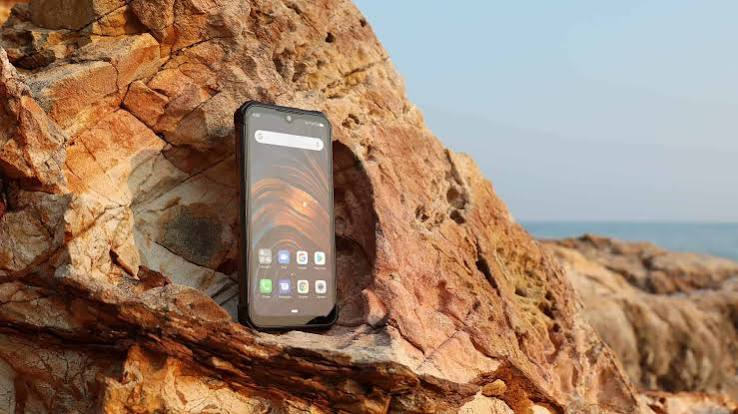
This is where older rugged smartphones such as the Ulefone Armor 7 become an interesting case study.

Britain’s Used-Tech Market Is Becoming More Practical

The appeal of used technology is no longer limited to bargain hunters. Refurbished smartphones, laptops, tablets and gaming devices have become increasingly normal choices for consumers looking to control spending while avoiding unnecessary upgrades.

The cost-of-living pressures of recent years have encouraged people to think more carefully about where their money goes. Spending hundreds of pounds on a new handset simply to gain incremental improvements may not make sense when an older device can still handle calls, messaging, navigation, streaming and everyday apps.

There is also a sustainability argument.

Keeping a device for another year or two means avoiding the environmental cost associated with manufacturing, transporting and eventually disposing of another piece of electronics. The growing interest in repair and longer product lifespans is therefore closely connected to the second-hand technology market.

But there is one component that can complicate the equation: the battery.

Battery Health Could Become the New Condition Check

When someone buys a used smartphone, the physical condition is usually one of the first things they inspect. Scratches, cracked screens and damaged ports are easy to spot.

Battery degradation is different.

A phone can look almost perfect while hiding a battery that has lost a significant portion of its original capacity. For buyers, that can turn an apparently cheap purchase into an expensive repair project.

Battery health is therefore becoming a more meaningful part of assessing a used device.

This is particularly important for rugged smartphones. Models such as the Ulefone Armor 7 were designed around durability and demanding environments rather than short upgrade cycles. Their appeal comes from the idea that the device can survive situations where an ordinary smartphone might struggle.

But rugged construction cannot prevent a battery from ageing.

Why the Ulefone Armor 7 Makes an Interesting Example

The Ulefone Armor 7 represents a different philosophy of smartphone ownership.

Rather than competing primarily on fashion or yearly flagship specifications, rugged phones focus on durability, protection and practical usability. That can make an older model surprisingly relevant when consumers start thinking about technology in terms of longevity.

Imagine finding a well-maintained Ulefone Armor 7 on the used market. Its exterior may still be in good condition, its rugged design remains useful, and its basic smartphone functions may be perfectly adequate for a second owner.

The deciding factor could then be its battery.

If the battery is still healthy, the phone can potentially offer considerable value without requiring the buyer to pay for a brand-new handset. If battery performance has deteriorated significantly, however, the calculation changes.

This illustrates an important point about second-hand technology: age does not automatically determine usefulness.

A Battery Replacement Can Change the Calculation

For some older devices, replacing the battery can be far more logical than replacing the entire product.

Consider someone using a Ulefone Armor 7 for outdoor work, travelling, hiking or simply as a dependable backup phone. If the handset remains physically sound but its battery struggles to maintain charge, throwing away the entire device may be unnecessary.

A suitable battery replacement could restore much of its practical usefulness.

Of course, buyers should check battery compatibility, installation requirements and the condition of the device before spending money on a repair. Battery replacement should also be carried out safely, preferably by someone with the appropriate experience.

The wider principle remains straightforward: if the main weakness of an otherwise functional device is its ageing battery, repairing that weakness can make economic sense.

Durability Is Becoming a Bigger Selling Point

The smartphone market has traditionally rewarded thinness and aesthetics. Rugged devices take almost the opposite approach.

The Ulefone Armor 7 is built around a tougher concept of mobile technology. That makes it particularly interesting in a market where consumers are beginning to question whether fragile, expensive devices need to be replaced every few years.

For construction workers, tradespeople, outdoor enthusiasts and travellers, durability can be more valuable than another camera upgrade.

A phone that survives drops, demanding weather and everyday abuse may ultimately provide better value than a more sophisticated device that needs replacing after accidental damage.

This is one reason the second-hand market could give older rugged phones another opportunity.

The Rise of “Repair, Not Replace”

The UK’s wider repair culture is also changing attitudes towards electronics.

Consumers are increasingly familiar with the idea that extending the life of an existing product can be more sensible than automatically buying a replacement. Repairability, spare parts and battery longevity are becoming more relevant when people assess technology.

This does not mean every old phone should be rescued. Some devices eventually become too slow, unsupported or difficult to repair.

But the equation is different when the hardware remains useful.

The Ulefone Armor 7 demonstrates this distinction nicely. Its value in 2026 does not necessarily come from competing directly with the latest premium smartphones. Instead, it comes from asking whether an older, durable device can continue performing a useful job with the right maintenance.

What Should Buyers Check When Shopping Used?

Anyone considering a used smartphone should look beyond the model name.

Battery performance should be near the top of the checklist. Buyers should also examine the charging port, screen, buttons, cameras, speakers and physical housing.

Software support matters too. An inexpensive phone is not necessarily a good bargain if essential applications no longer work properly or security updates have become a concern.

For rugged devices, buyers should pay particular attention to signs of previous heavy use. A phone designed to withstand demanding conditions may have had a harder working life than a conventional handset.

With a Ulefone Armor 7, checking its overall condition alongside its battery is therefore more important than simply looking at the original launch specifications.

Could Battery Health Define the Next Used-Tech Market?

The most interesting change in Britain’s second-hand technology market may be that consumers are becoming less impressed by specifications alone.

A newer processor is useful. A better camera is attractive. A brighter display can improve the experience.

But none of those features matter much if a phone cannot make it through the day.

That is why battery health could become one of the most important indicators of value in the used-tech economy.

The story of the Ulefone Armor 7 reflects a much wider change in consumer thinking. Instead of treating older technology as automatically obsolete, buyers are beginning to ask whether a device still performs its job — and what small repair might allow it to keep doing so.

A Second Life for Older Technology?

The future of smartphones may not simply be about buying the newest model every year.

For British consumers facing higher household costs, growing environmental awareness and an increasingly mature technology market, extending the useful life of existing devices can be an attractive alternative.

The Ulefone Armor 7 may not have the headline appeal of today’s newest smartphones, but that could actually be part of its relevance. Its rugged design, practical focus and potential for continued use make it a useful example of how the definition of “valuable technology” is changing.

In the used-tech market, the question may no longer be how old a device is.

It may be how much useful life it has left.

And increasingly, the battery could be the answer.

As AI Takes Over the Smart Home, Could the Humble Battery Become the Tech Feature That Matters Most?

Smart homes are becoming increasingly intelligent. From AI-powered assistants and connected security cameras to robot lawnmowers and automated heating systems, technology is quietly changing how British households manage everyday life. Yet behind all these sophisticated features sits a surprisingly simple component: the battery.

As the UK becomes more conscious of energy bills, electronic waste and the true cost of replacing household technology, battery life is beginning to look less like a technical footnote and more like a major measure of value. For cordless appliances in particular, the difference between a product that still delivers useful runtime and one that needs constant charging can transform the ownership experience.

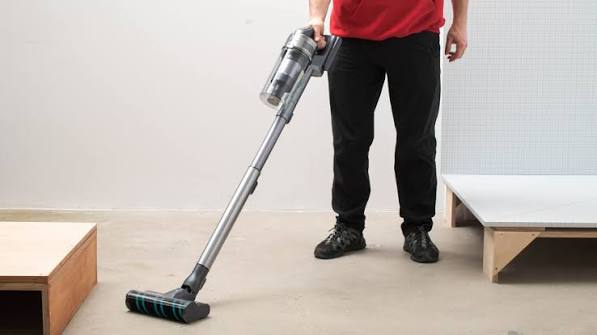
The Samsung Jet 90 VS9000 JET90 Stick Vacuum provides an interesting example. It may not have the headline-grabbing appeal of an AI assistant, but its long-term usefulness can depend heavily on something much less glamorous: how well its battery continues to perform.

The Smart Home Is Getting Smarter — But What About Its Batteries?

AI is increasingly being marketed as the next big step for home technology. Appliances are becoming more connected, more automated and better at adapting to how people use them.

That sounds impressive, but consumers are also becoming more practical.

A British household may appreciate an appliance that can offer intelligent controls or automated functions, but those features become less meaningful if the device cannot operate for long enough between charges. The same principle applies across the smart home, from cordless vacuum cleaners to security devices and portable cleaning equipment.

This is why battery health could become an overlooked specification.

Rather than asking only whether a product is smart, consumers may increasingly ask: How long will it remain useful?

Cordless Convenience Has a Battery Problem

Cordless vacuum cleaners have changed household cleaning. There is no cable to plug in, no socket to move between rooms and no need to drag a conventional vacuum cleaner around the house.

That freedom, however, comes with a trade-off.

The battery becomes central to the entire experience.

When a cordless vacuum is relatively new, its battery may provide enough runtime for normal cleaning without much thought. After years of repeated charging and discharging, however, battery capacity can naturally decline.

For owners of a Samsung Jet 90 VS9000 JET90 Stick Vacuum, this raises an important question: if the vacuum itself remains in good condition, does reduced battery performance really mean the whole machine has reached the end of its life?

Not necessarily.

A Battery Can Change How We Think About Product Lifespan

Modern consumer technology often encourages a simple cycle: buy, use, upgrade and replace.

But that approach is becoming harder to justify when the original device still performs its main function effectively.

A vacuum cleaner does not suddenly become obsolete because a newer model appears on a shop shelf. If the motor, filtration system, controls and physical components remain functional, a battery-related problem can potentially be a much smaller issue than replacing the entire appliance.

This is where the Samsung Jet 90 VS9000 JET90 Stick Vacuum becomes a useful case study in the broader repair-versus-replace debate.

Replacing a battery, where a suitable replacement and professional service are available, can potentially extend the useful life of an otherwise serviceable appliance. It also means fewer components need to enter the waste stream.

Britain’s Repair Culture Is Gaining Momentum

The idea of repairing rather than replacing is not new, but it is becoming increasingly relevant to British consumers.

The UK’s growing focus on sustainability, household budgets and reducing unnecessary waste has encouraged people to reconsider how long everyday products should last.

There is also a psychological shift taking place.

Consumers are becoming more aware that the cheapest-looking option at the checkout is not necessarily the cheapest option over several years. Buying a new appliance every time a battery deteriorates can create a surprisingly expensive cycle.

For someone who already owns a Samsung Jet 90 VS9000 JET90 Stick Vacuum, keeping the existing machine working may therefore make more sense than immediately shopping for a replacement.

The Real Cost of a New Vacuum Is More Than the Price Tag

When comparing an old appliance with a new one, it is easy to focus on the advertised price.

But the real cost can include packaging, transport, manufacturing, materials and eventually disposal of the old product.

This is particularly relevant as environmental awareness becomes part of everyday purchasing decisions.

A battery replacement does not automatically make sense in every situation. If a vacuum has multiple major faults, severe physical damage or expensive problems elsewhere, buying a new machine could be reasonable.

But if the primary issue is battery degradation, the calculation is different.

A Samsung Jet 90 VS9000 JET90 Stick Vacuum that still cleans effectively may have considerably more useful life left than its battery performance initially suggests.

Is Battery Health the Next Big Specification?

Smartphones have already made battery health a familiar concept.

People now routinely think about charging cycles, battery capacity and how long a phone will remain practical. The same thinking could eventually spread to other battery-powered household products.

Imagine shopping for a cordless vacuum and seeing not just suction power and accessories, but also information about expected battery longevity, replacement availability and long-term serviceability.

That would change the conversation.

Instead of simply asking, “How powerful is it?”, consumers could ask, “How long can I realistically expect to use it?”

For products such as the Samsung Jet 90 VS9000 JET90 Stick Vacuum, that question is arguably just as important as the original specification sheet.

AI Cannot Fix a Flat Battery

There is an irony in the race towards smarter homes.

Manufacturers are adding more intelligence to household products while one of the oldest limitations of portable technology remains unchanged: batteries eventually lose capacity.

An appliance could theoretically become better at recognising cleaning patterns, optimising performance or integrating with a wider smart-home ecosystem. But if its battery can no longer provide sufficient runtime, those advanced capabilities become much less useful.

This creates a useful reality check for the AI era.

The most important technology in tomorrow’s home may not always be the most complicated one. Sometimes, reliability, repairability and energy efficiency can matter more than another software feature.

The Second-Hand Market Could Make Battery Health Even More Important

The growing interest in refurbished and second-hand technology adds another dimension.

A used cordless appliance can represent good value, particularly when its core hardware remains capable. But battery condition becomes crucial when buying older battery-powered products.

A buyer considering a used Samsung Jet 90 VS9000 JET90 Stick Vacuum should therefore look beyond cosmetic condition. Runtime, charging behaviour and the availability of compatible replacement parts can all influence whether a second-hand purchase remains worthwhile.

In other words, the battery could become part of the product’s resale value.

A well-maintained appliance with a healthy battery may be much more attractive than an apparently identical model whose battery is nearing the end of its useful life.

The Humble Battery May Have the Last Word

AI will undoubtedly continue to reshape the smart home. Connected appliances will become more sophisticated, automation will become more widespread and household technology will increasingly anticipate what users want.

But the fundamentals still matter.

A cordless vacuum needs enough power to clean a home. A security device needs enough energy to stay operational. A portable appliance needs a battery that can withstand years of everyday use.

That is why the humble battery deserves more attention.

The Samsung Jet 90 VS9000 JET90 Stick Vacuum illustrates a wider point about consumer technology: the newest feature is not always the feature that determines whether a product remains useful.

For British households increasingly balancing convenience, budgets and sustainability, extending the life of existing technology could become just as important as buying the next generation.

The future of the smart home may be powered by AI, but its long-term success could still depend on something far more basic — battery life.