Putting CPU Scores Aside for Now: Will Battery Health Become the Next Important Specification for Used Laptops?

For years, buying a used laptop in Britain has meant checking the processor, RAM, SSD capacity and screen condition before anything else. A Core i5 or Ryzen 5 badge can make a second-hand machine look attractive, while benchmark scores offer a reassuring sense of value.

But there is one specification that has often been treated as an afterthought: the battery.

That may be about to change.

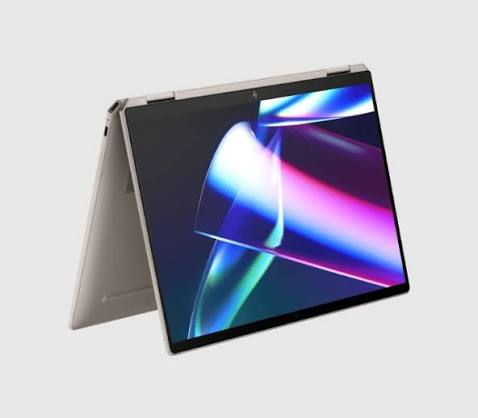
As the UK refurbished technology market continues to mature, buyers are becoming more interested in how long a device can realistically remain useful, rather than simply how powerful it was when it first launched. For someone considering a premium convertible such as the HP Spectre X360 14, battery condition can be just as relevant as the processor hiding underneath the chassis.

The question is increasingly straightforward: when buying a used laptop, should battery health be treated as a core specification rather than a minor detail?
The Second-Hand Laptop Market Is Changing

The appeal of buying refurbished technology is easy to understand. A premium laptop that once commanded a high price can become considerably more affordable after a few years, making previously expensive designs accessible to students, freelancers, remote workers and families.

There is also a growing environmental argument.

Extending the life of an existing computer means fewer devices need to be manufactured, transported and eventually discarded. For British consumers increasingly conscious of the cost and environmental impact of constant upgrades, keeping a laptop for longer can make financial as well as practical sense.

Yet the value of a second-hand laptop depends heavily on its condition.

A machine may have a fast processor, plenty of memory and an excellent display, but if its battery has deteriorated significantly, the ownership experience can be very different from what the original specifications suggest.

That is why battery health deserves a much more prominent place in the used-laptop conversation.

A Great Processor Cannot Fix a Worn-Out Battery

Imagine two laptops with virtually identical processors and memory.

On paper, they appear to offer similar performance. One, however, still has a healthy battery, while the other has spent years being charged and discharged.

The difference becomes obvious the moment both machines leave the charger behind.

A laptop with a degraded battery may require frequent top-ups, spend most of its working life next to a socket and become far less useful for commuting or working away from home.

This is particularly important in Britain, where laptops are often used in environments that are not designed around a permanent power supply. Think trains, university libraries, cafés, co-working spaces and shared offices.

For these situations, battery condition is not merely a technical statistic. It directly affects convenience.

A used HP Spectre X360 14, for example, might still offer the premium design and flexible 2-in-1 format that made the model attractive in the first place. But its real-world value to a second owner will depend partly on how its battery has aged.

Battery Health Could Become the Laptop Equivalent of Mileage

There is an interesting comparison with the used-car market.

When buying a second-hand car, consumers rarely look only at the engine specification. Mileage, service history, tyre condition and maintenance records all influence the price.

Used laptops could be heading in the same direction.

Instead of asking only, “Which processor does it have?”, buyers may increasingly ask:

  • How many years has it been used?
  • How heavily has the battery been cycled?
  • How much capacity remains?
  • Has the battery ever been replaced?
  • How long does it actually last away from the charger?

These questions could become particularly important for premium machines.

A well-maintained HP Spectre X360 14 with a healthy battery could arguably be a more attractive second-hand purchase than a theoretically faster laptop whose battery is nearing the end of its useful life.

That is because specifications describe what a laptop was designed to do. Battery health helps explain what it can still do today.

The Rise of AI PCs Makes the Question Even More Relevant

There is another reason battery health is becoming interesting: the rapid growth of AI-focused PCs.

Modern Windows laptops increasingly feature dedicated hardware designed to handle AI workloads locally. Rather than sending every task to the cloud, some processing can be performed directly on the machine.

That brings obvious benefits, but it also makes power management an increasingly important part of the laptop experience.

As users become accustomed to features such as AI assistants, image processing, transcription and other intelligent tools, battery efficiency will remain a key part of the equation.

This creates an unusual situation for the second-hand market.

A three-year-old premium laptop may still be perfectly capable of handling everyday browsing, office work, streaming and productivity. But if its battery has lost a substantial amount of its original capacity, its usefulness can feel much older than its processor suggests.

The HP Spectre X360 14 therefore provides an interesting example of a broader shift: the definition of a “modern” laptop may increasingly depend on usability rather than launch-date specifications.

The UK Repair-First Conversation Is Changing Consumer Behaviour

Britain’s growing interest in repair and longer-lasting technology is another factor worth watching.

Consumers have traditionally been encouraged to upgrade when a device becomes inconvenient, slow or unreliable. But that mindset is being challenged by the wider repair and right-to-repair movement.

A battery is a particularly interesting component in this debate.

Unlike a processor or display, it is a consumable component. Its capacity naturally declines with repeated use and age. That does not necessarily mean the entire laptop has reached the end of its life.

Replacing an ageing battery can, in the right circumstances, restore much of the portability that made a laptop useful in the first place.

For owners of a HP Spectre X360 14, this raises a practical question before buying a completely new machine: is the laptop genuinely obsolete, or is one ageing component making it feel obsolete?

That distinction could save consumers money while keeping perfectly functional electronics in use for longer.

What Should Buyers Check Before Purchasing a Used Laptop?

Battery health should not replace other checks. It should become part of a broader inspection.

First, buyers should examine the laptop’s physical condition. Scratches are usually cosmetic, but damaged hinges, cracked displays or warped chassis components can be much more serious.

Next comes performance. The processor, RAM and storage still matter, particularly if the laptop will be used for demanding workloads.

Then there is the battery.

Windows provides tools that can help users investigate battery information, while some manufacturers also provide diagnostics or battery-management utilities. Buyers should look for evidence of reduced capacity rather than relying solely on a seller’s claim that the laptop “still holds charge”.

It is also worth testing the machine away from the mains if possible.

A laptop that appears perfectly healthy while plugged in can tell a very different story once the charger is removed.

Battery Health Could Influence Used-Laptop Prices

If consumers begin demanding clearer battery information, the second-hand market itself could change.

Imagine two otherwise identical HP Spectre X360 14 laptops being offered for sale. One has a relatively healthy battery and a documented replacement history. The other has noticeably reduced capacity but is priced only slightly lower.

The first machine could become the obvious choice, even if the second has the same processor and storage.

This could eventually encourage refurbishers and private sellers to publish battery-health information alongside traditional specifications.

Just as buyers now expect details about SSD capacity and display resolution, battery condition could become part of the basic sales listing.

That would make comparisons easier and could also create a more transparent refurbished market.

Is Battery Health Really More Important Than CPU Performance?

Not always.

A professional video editor, engineer or gamer may still prioritise processing power, graphics performance and thermal behaviour. For demanding workloads, an older processor can be a genuine limitation.

But for the huge number of people whose laptops are used for emails, documents, research, video calls, web browsing and entertainment, the situation is different.

Once performance reaches a comfortable level, another question becomes more important: how pleasant is the laptop to use every day?

A machine that performs perfectly well but needs to remain plugged in may be less useful than a slightly older computer that can comfortably handle several hours of mobile work.

That is where battery health moves from being a hidden technical detail to a meaningful buying criterion.

The Future of Used Laptops May Be Measured in More Than Gigahertz

The second-hand technology market is becoming more sophisticated.

Buyers are learning that a laptop’s age does not tell the whole story. Neither does its processor generation, screen resolution or benchmark score.

Condition matters.

Maintenance matters.

And increasingly, battery health matters.

The HP Spectre X360 14 illustrates why this change could be significant. A premium laptop does not necessarily become worthless simply because a newer generation has arrived. If its core hardware remains capable and its physical condition is good, extending its useful life can make considerable sense.

The battery may simply become the part that determines whether that second life is genuinely practical.

So, will battery health become the next important specification for used laptops?

It is too early to say that it will overtake CPU performance across the entire market. But for everyday buyers, refurbished shoppers and anyone looking for a laptop that can survive life away from the plug, the answer may increasingly be yes.

In the coming years, the most important question when buying a used laptop might not be “How fast was this machine when it launched?”

It could be much simpler:

How much useful life does it still have?

Repair or Replace? Why the LG CordZero R9 Series Aligns with Britain’s Growing “Fix It, Don’t Throw It Away” Tech Trend

For years, the technology industry has trained consumers to think in one simple direction: when a device gets old, replace it. A new model arrives with smarter software, extra features and a more attractive design, while the previous generation is quietly pushed towards the back of a cupboard or, worse, the bin.

But that mindset is beginning to change in Britain.

From smartphones and laptops to kitchen appliances and robot vacuum cleaners, more consumers are asking a different question: does this device really need replacing, or does it simply need a little maintenance?

The growing “fix it, don’t throw it away” attitude is particularly interesting when it comes to cordless home appliances. Products such as the LG CordZero R9 demonstrate why battery health, repairability and long-term usability can become just as important as headline specifications.

Britain’s Repair Culture Is Gaining Momentum

The shift towards repairing rather than replacing technology is not happening in isolation. Rising household costs, environmental concerns and greater awareness of electronic waste are all influencing purchasing decisions.

British consumers have become increasingly conscious of how much they spend on everyday technology. A household appliance that once seemed inexpensive to replace can become a significant expense when several products need upgrading at the same time.

At the same time, sustainability is becoming a more practical consideration rather than simply a marketing slogan.

Instead of asking whether the latest appliance has a slightly better processor or an extra smart feature, shoppers are increasingly considering questions such as:

  • How long will it last?
  • Can its battery be replaced?
  • Is it worth repairing?
  • Will spare parts remain available?
  • Can I continue using it for several more years?

This is where an appliance such as the LG CordZero R9 becomes an interesting example of the wider movement.

The Battery May Be the Real Ageing Point

Cordless technology offers obvious convenience. There is no cable to drag around the house, and a robot vacuum can operate with minimal human involvement.

However, there is one component that inevitably becomes more important as time passes: the battery.

A battery does not necessarily fail overnight. Instead, its usable capacity can gradually decline through repeated charging and discharging cycles. A robot vacuum that once completed a cleaning session comfortably may eventually need more frequent charging or may struggle to maintain the same level of convenience.

That distinction matters.

A machine can still have a perfectly capable motor, sensors, brushes and navigation system while its battery has become the main limitation.

Consider the LG CordZero R9 after several years of use. If the robot remains mechanically sound but its battery performance has deteriorated, replacing the entire appliance may not always be the most sensible first step.

A battery-related problem does not automatically mean that the whole product has reached the end of its useful life.

Why Throwing Away a Working Appliance Makes Less Sense

There is an uncomfortable contradiction in modern technology.

Consumers are encouraged to buy increasingly sophisticated products, yet many electronic devices contain components that can potentially remain useful long after one particular part begins to wear.

Robot vacuum cleaners are a good example.

The value of a machine is not simply its battery. It can include motors, sensors, wheels, charging systems, brushes, filters, navigation hardware and software.

If most of those components continue working properly, discarding the entire machine because of declining battery capacity can create unnecessary waste.

The LG CordZero R9 therefore represents a broader question facing the smart-home industry: should consumers replace an entire appliance because one ageing component is no longer performing at its best?

For Britain’s growing repair-minded consumer base, the answer is increasingly likely to be: not necessarily.

The Cost-of-Living Mindset Has Changed Shopping Habits

British households have spent years dealing with pressure on household budgets, making value for money a bigger part of technology purchasing decisions.

The cheapest product at the checkout is not always the cheapest product over five years.

Suppose someone buys a premium robot vacuum and uses it regularly for several years. If the machine continues to clean effectively but its battery eventually becomes tired, spending money on a suitable replacement battery or professional repair could be considerably more attractive than buying another complete appliance.

That changes the way consumers should think about product value.

Instead of calculating:

Purchase price ÷ years of use

buyers can increasingly think about:

Purchase price + maintenance ÷ total useful lifetime

Under that approach, a product that can be maintained and repaired may become more attractive than one that is simply replaced every few years.

For an established model such as the LG CordZero R9, this could be particularly relevant in the used and refurbished market.

Second-Hand Technology Needs a New Definition of “Condition”

The British second-hand technology market has also changed the conversation around ageing devices.

When people buy a used smartphone, laptop or electric bike, battery condition is already an important consideration. The same logic can increasingly apply to smart-home appliances.

A second-hand LG CordZero R9 might look almost perfect externally, but appearance tells only part of the story.

Potential buyers should consider:

  • How old is the battery?
  • How long does it operate between charges?
  • Does it return reliably to its charging dock?
  • Are brushes and filters in good condition?
  • Are sensors functioning properly?
  • Has the machine been regularly maintained?
  • Are replacement components still obtainable?

This is an important change in consumer thinking.

“Used” should not automatically mean “worn out”. A well-maintained appliance with a replaceable or serviceable battery may offer years of useful life.

Conversely, a newer-looking machine with a heavily degraded battery may represent poorer value.

Sustainability Is Becoming a Practical Issue

Environmental arguments have also strengthened the case for repair.

Electronic waste is a growing global challenge, and household technology forms part of that wider problem. Although one robot vacuum may seem insignificant compared with large industrial sources of waste, millions of consumer devices collectively create a substantial environmental footprint.

Manufacturing a new appliance requires raw materials, energy, transportation and packaging.

Keeping an existing device in service for longer can reduce the need for another complete manufacturing cycle.

That does not mean every old appliance should be repaired indefinitely. There is a point where repair costs, reliability and energy efficiency make replacement sensible.

The important change is that consumers are beginning to consider repair before replacement.

The LG CordZero R9 fits neatly into this conversation because it highlights the difference between a genuinely obsolete product and a product that simply has an ageing component.

Repair Does Not Mean Keeping Technology Forever

There is a danger of taking the repair trend too far.

Not every ageing appliance deserves unlimited investment. If a machine has multiple failing components, expensive repairs or outdated technology, purchasing a newer model may be the more practical option.

The smarter approach is to diagnose the problem first.

If the motor is failing, sensors are unreliable and the battery is also degraded, replacement could make sense.

If the main issue is simply reduced battery capacity while the rest of the appliance remains functional, repair may be worth investigating.

For owners of an LG CordZero R9, that distinction could make a meaningful difference to the appliance’s overall lifespan.

The question is no longer simply “How old is it?”

It is:

“Which part has actually reached the end of its useful life?”

Smart Homes Need to Become More Sustainable

The smart-home revolution has delivered enormous convenience. Robot vacuum cleaners can map rooms, schedule cleaning and reduce the amount of daily housework required from their owners.

But smarter homes should not necessarily mean faster replacement cycles.

The next stage of smart-home technology could be defined by longevity as much as intelligence.

A truly sustainable smart appliance should ideally be designed around long-term ownership. That means durable hardware, sensible maintenance, software support and access to replaceable components where practical.

This is an important lesson from the LG CordZero R9. A smart appliance should not be judged only by what it can do when it is brand new.

Its long-term value depends on how well it continues doing those things several years later.

What UK Consumers Should Check Before Replacing a Robot Vacuum

Before sending an ageing robot vacuum to recycling or buying a completely new model, owners can carry out a simple assessment.

First, check whether cleaning performance has genuinely deteriorated.

Next, determine whether the problem appears to be related to the battery, brushes, filters, sensors or another component.

Regular maintenance can also make a substantial difference. Cleaning filters, removing hair and debris from brushes, and keeping sensors clear can help prevent relatively simple issues from being mistaken for major hardware failure.

For a LG CordZero R9 owner, this process can reveal whether the appliance is genuinely approaching the end of its useful life or whether a targeted repair could restore much of its original convenience.

It is also worth comparing repair costs with the price of a replacement machine rather than assuming that buying new is automatically cheaper.

The “Fix It, Don’t Throw It Away” Generation

Britain’s changing relationship with technology is ultimately about value.

Consumers are no longer looking only at what a device can do today. They are increasingly asking how long it can remain useful, how easily it can be maintained and whether replacing the whole product is genuinely necessary.

The LG CordZero R9 provides a useful case study in this transition.

Its importance is not necessarily about being the newest robot vacuum on the market. Instead, it illustrates a much bigger shift in consumer thinking: an ageing battery does not always mean an ageing appliance.

As repair culture grows, the smartest purchase may not always be the newest one.

Sometimes, the smarter decision is to keep a perfectly capable machine working for another year, another two years, or even longer.

For British consumers balancing household budgets with growing environmental awareness, that is a compelling proposition.

The future of technology may therefore be less about replacing everything at the first sign of ageing — and more about understanding what can be repaired, renewed and reused.

And for an appliance such as the LG CordZero R9, that could be the difference between becoming yesterday’s technology and earning a second life in tomorrow’s more sustainable home.

Eight Years On, the Razer Blade 15 2018 RZ09-02386 Faces Its Biggest Challenge: Is the Battery Now the Weakest Link?

Eight years is a long time in consumer technology. In the space of a few product cycles, gaming laptops have moved from conventional processors and graphics hardware towards AI acceleration, faster displays, smarter power management and increasingly efficient chips. Yet some older machines refuse to disappear.

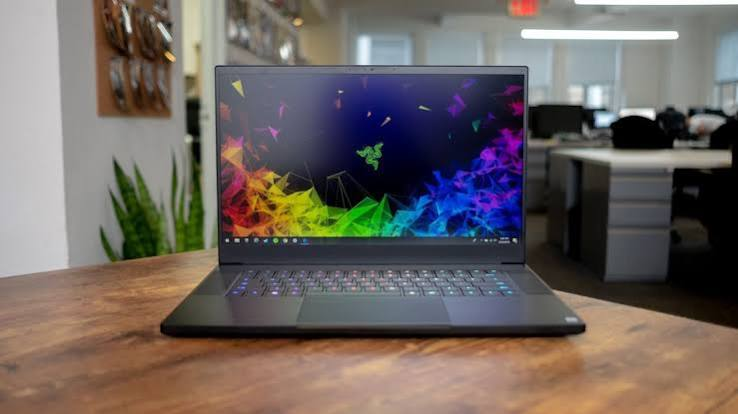
The Razer Blade 15 2018 RZ09-02386 is a good example. When it arrived, the Blade 15 helped establish the idea that a gaming laptop did not necessarily need to look like a bulky desktop replacement. Its slim aluminium design, high-performance hardware and understated appearance made it attractive to gamers and professionals alike.

In 2026, however, there is a different question to ask. Is the ageing battery now a bigger problem than the laptop’s original hardware?

For owners of older gaming machines, this is becoming increasingly relevant as the UK market pays more attention to repairability, refurbished technology, household budgets and electronic waste. Rather than immediately replacing an entire laptop, some users are asking a simpler question: could replacing one ageing component extend the useful life of the machine?

Eight Years Is a Serious Test for Any Gaming Laptop

Modern laptops are often discussed in terms of processor generations, GPU performance, RAM and display technology. Battery health receives considerably less attention until something goes wrong.

After eight years, though, battery degradation is difficult to ignore.

Lithium-ion batteries naturally lose capacity through charging cycles, heat and simply the passage of time. A laptop that once delivered several hours of everyday use may eventually manage only a fraction of that figure away from the mains.

That does not necessarily mean the computer itself has become useless.

For an owner of a Razer Blade 15 2018 RZ09-02386, the difference between a functioning laptop and a frustrating one may come down to how long it can operate without a charger. If the machine still handles the user’s everyday software, older games, streaming and general productivity needs, a worn battery could be the most obvious weakness.

This changes the upgrade conversation.

Instead of asking, “Do I need a new laptop?”, users can first ask, “What is actually stopping my current laptop from being useful?”

The Battery May Be the Weakest Link

There is a common assumption that an eight-year-old gaming laptop must be obsolete. That is too simplistic.

Technology has certainly moved forward. New gaming laptops can offer substantially better efficiency, graphics performance, connectivity and AI-related features. But not everyone needs the latest hardware.

A student writing essays, a home worker using Microsoft Office and a browser, or a casual gamer playing less demanding titles may not require the newest machine available.

For these users, the battery can become the weakest link.

Consider a Razer Blade 15 2018 RZ09-02386 that still boots reliably, has a healthy display, sufficient storage and hardware capable of handling its owner’s normal workload. If its battery has deteriorated badly, the laptop may feel old even when its core functions remain perfectly usable.

A replacement battery can therefore have an outsized effect on the everyday experience.

It will not magically transform an eight-year-old laptop into a 2026 gaming machine. But it could restore the portability that originally made the laptop attractive.

Why This Matters in the UK in 2026

The British technology market is increasingly shaped by value.

The cost-of-living debate, interest in refurbished electronics and growing awareness of electronic waste have all encouraged consumers to think more carefully before replacing working devices.

That does not mean everyone wants an eight-year-old laptop. Far from it. For demanding modern games, professional creative applications or workloads that depend heavily on the latest processors and GPUs, upgrading can make perfect sense.

But there is a large middle ground.

Someone who already owns a Razer Blade 15 2018 RZ09-02386 may not be comparing it with the latest flagship gaming laptop because they need maximum frame rates. They may simply want a dependable machine for another year or two.

That is where battery replacement becomes interesting.

The economic calculation is no longer just about performance. It is about the cost of extending something that already works.

Repair, Not Replace

The wider “repair rather than replace” movement is particularly relevant to ageing laptops.

A modern laptop contains numerous components and materials, from circuit boards and displays to batteries and aluminium chassis. Replacing an entire computer because of one degraded component can create unnecessary waste when the rest of the machine remains functional.

Battery replacement is not always suitable for every laptop, of course. Compatibility, battery condition, installation difficulty and safety all matter. A damaged or swollen battery should never be treated as a routine DIY project.

Nevertheless, the principle is straightforward: identify the failing component before assuming the whole product has reached the end of its useful life.

For the Razer Blade 15 2018 RZ09-02386, this approach is particularly relevant because the machine was designed around a premium, relatively compact form factor. If the chassis, screen, keyboard and main hardware remain in good condition, keeping that hardware in service can make practical sense.

Refurbished Doesn’t Always Mean Cheap and Old

The UK’s refurbished technology market has also changed the way consumers think about older electronics.

“Refurbished” once carried an implication of compromise. Today, many buyers actively look for refurbished phones, laptops and tablets because they want better value without necessarily buying the newest model.

But there is an important distinction between a cheap used laptop and a properly maintained one.

Battery condition is one of the clearest examples.

Two identical Razer Blade 15 2018 RZ09-02386 laptops could have very different real-world value depending on their battery health. One might spend most of its life connected to mains power in a cool environment. Another might have experienced years of frequent charging, heat and heavy gaming.

On paper, they are the same model.

In everyday use, they are not.

This is why battery health deserves greater attention when buying or selling used technology.

Gaming Makes Battery Health Even More Complicated

Gaming laptops have a unique relationship with batteries.

Serious gaming generally consumes far more power than browsing the web, watching video or writing documents. As a result, many gamers naturally play while connected to the charger.

That can be perfectly reasonable, but heat remains an important factor in battery ageing.

An eight-year-old Razer Blade 15 2018 RZ09-02386 may therefore have spent hundreds or thousands of hours exposed to demanding workloads and elevated temperatures.

The result is not necessarily catastrophic failure. More commonly, users notice gradually reduced battery life.

The laptop might still perform well when plugged in. It is simply less convenient when taken away from the desk.

This distinction matters because it separates performance problems from battery problems.

If a laptop struggles because its CPU or GPU can no longer handle a particular workload, replacing the battery will not solve the issue. But if the main complaint is dramatically reduced unplugged runtime, a new battery could address the actual problem.

Does a New Battery Make an Eight-Year-Old Laptop “New” Again?

No — and that is precisely the point.

A battery replacement should not be marketed as a performance upgrade equivalent to buying a new gaming laptop.

The Razer Blade 15 2018 RZ09-02386 remains a product from another technological era. It will not suddenly acquire the efficiency, AI capabilities or graphics performance of a modern gaming machine.

What a replacement battery can potentially provide is something much simpler: usability.

A healthier battery can make it easier to move from one room to another, work in a café, study at university or use the laptop during a train journey without constantly searching for a socket.

For many people, that is enough.

The value of a repair is not necessarily measured by how many new features it adds. Sometimes it is measured by how much inconvenience it removes.

The Real Question: What Do You Actually Need?

This is perhaps the most important question for anyone considering an upgrade in 2026.

If you own a Razer Blade 15 2018 RZ09-02386, start with your actual usage.

Do you need to run the latest AAA games at high settings? Are you editing 4K video every day? Do you depend on modern AI workloads? Are you constantly travelling and therefore require exceptional battery efficiency?

If the answer is yes, a new laptop may be the sensible choice.

But if your workload consists primarily of web browsing, office applications, media consumption, light creative work and older or less demanding games, the calculation changes.

A battery replacement may offer a surprisingly practical middle option.

It can delay a larger purchase while allowing the existing machine to remain useful.

Eight Years Later, Longevity Is Becoming a Feature

The technology industry traditionally encourages consumers to look forward: faster processors, brighter screens, better cameras and new software features.

But another trend is emerging.

Longevity itself is becoming valuable.

A device that can remain useful for seven or eight years is attractive in an era when consumers are increasingly conscious of spending and electronic waste. Battery health is part of that equation because batteries are consumable components rather than permanent ones.

The story of the Razer Blade 15 2018 RZ09-02386 therefore goes beyond one gaming laptop.

It illustrates a broader shift in how people evaluate technology. Instead of asking only what a device can do when it is brand new, consumers are beginning to ask how easily it can remain useful years later.

A Smarter Upgrade Could Be a Smaller One

The most exciting part of the current technology cycle may not be another headline-grabbing processor.

It may be the growing willingness to repair, maintain and reuse the technology people already own.

For an eight-year-old Razer Blade 15 2018 RZ09-02386, the battery could genuinely be its weakest link. But that does not automatically make the entire laptop obsolete.

If the core hardware still meets the owner’s needs, replacing an ageing battery could be a more rational step than immediately buying a completely new machine.

In 2026, that way of thinking fits neatly with the UK’s growing interest in value, refurbishment, repair and more sustainable consumption.

The newest laptop will always win the specification race.

But sometimes, the smarter technology decision is not buying something new. It is giving something useful another chance.

AI Laptops Are Getting Smarter, but Are Their Batteries Getting Any Better? LG Gram 17 Faces the Battery Test

The laptop market is entering an interesting new phase. Artificial intelligence is becoming a bigger part of everyday computing, with manufacturers putting AI features at the centre of their latest Windows PCs. From productivity assistants and intelligent search to image generation and on-device processing, the modern laptop is expected to do far more than simply run Word, browse the web and stream Netflix.

But there is a question that often gets lost in the excitement over AI: what happens to battery life?

For British consumers, this is hardly a minor detail. A laptop used on a train from Manchester to London, in a university library in Edinburgh, or at a coffee shop in Bristol needs to last beyond the nearest wall socket.

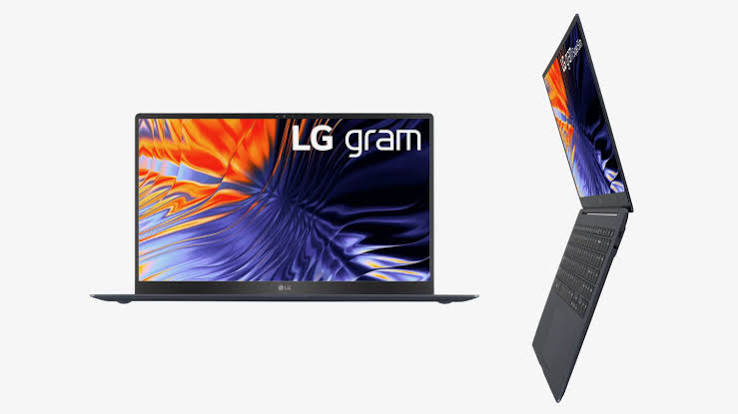
That is where the LG Gram 17 / SuperSlim series provides an interesting case study. These machines have long focused on portability and battery endurance, highlighting a challenge that is becoming increasingly important as laptops become more powerful: can smarter computing remain genuinely mobile?

The AI PC Is Changing What We Expect from a Laptop

AI is no longer simply a feature reserved for specialist software. It is increasingly being integrated into everyday computing experiences.

Modern laptops can use AI capabilities for tasks such as meeting assistance, transcription, photo editing, content creation and productivity. Some workloads can also be processed locally rather than relying entirely on cloud services.

That sounds impressive, but more processing can potentially mean greater demands on hardware and power management.

This creates a new consumer dilemma. Buyers may be attracted by the latest processor, AI acceleration and intelligent features, but they may also expect the laptop to remain cool, quiet and capable of lasting through a full working day.

The LG Gram 17 / SuperSlim series sits neatly within this conversation because its appeal has traditionally centred on keeping a large-screen or highly portable laptop surprisingly easy to carry.

The question is no longer simply, “How powerful is this laptop?”

It is increasingly becoming, “How much can it do before I need to charge it?”

Why Battery Life Matters More in Britain

British laptop users have some particularly awkward real-world scenarios.

Commuters may spend hours travelling by rail, often moving between trains, stations, offices and home. University students can spend an entire day moving between lectures, libraries and shared study spaces. Hybrid workers may alternate between a home office, co-working space and local café.

In all these situations, battery life becomes a practical advantage rather than a specification buried on a product page.

A laptop with excellent performance but disappointing endurance can quickly become inconvenient.

This is one reason the LG Gram 17 / SuperSlim series remains an interesting proposition. A lightweight design is useful, but portability is much more meaningful when users are not constantly carrying a charger as well.

For many people, the ideal laptop is not necessarily the one with the highest benchmark score. It is the one that disappears into a bag in the morning and simply keeps working throughout the day.

The LG Gram 17 Challenge: Big Screen Without the Big Weight

The traditional 17-inch laptop has often been associated with desktop replacement machines. Large screens usually meant large chassis, heavier power supplies and limited portability.

The LG Gram 17 / SuperSlim series challenges that assumption.

A large display can be useful for spreadsheets, coding, research, video editing and multitasking. For professionals working with multiple windows, the extra screen real estate can make a noticeable difference.

Yet the entire point of a lightweight laptop is defeated if its battery cannot support that mobility.

This makes battery performance particularly relevant to a large-screen machine. A user might happily take a lightweight 17-inch laptop on a train, but if it needs to be plugged in halfway through the journey, the advantage becomes less obvious.

The balance between display size, processing power, weight and battery capacity is therefore becoming increasingly important.

SuperSlim Shows the Other Side of the Equation

The LG Gram 17 / SuperSlim series also highlights another trend: consumers increasingly want premium hardware without unnecessary bulk.

Slim laptops look attractive and are convenient to carry, particularly for people who work away from a fixed desk. But reducing physical size can make engineering more complicated.

There is less room for cooling components, batteries and other hardware.

That means manufacturers have to make difficult decisions about efficiency. A modern laptop cannot simply rely on brute-force performance. It needs intelligent power management as well.

This is particularly relevant in the age of AI PCs, where specialised processing hardware is becoming part of the laptop platform.

The more intelligently a system can distribute workloads between different processing units, the greater the opportunity to balance performance with energy consumption.

Battery Health Could Become the Next Big Buying Factor

There is another issue that deserves more attention: battery ageing.

A laptop might offer excellent battery life when new, but lithium-ion batteries naturally lose capacity over time. After years of daily charging and discharging, the same computer may no longer deliver the endurance its owner remembers.

This is where the conversation around AI laptops becomes surprisingly connected to the refurbished market.

A used laptop with powerful hardware can still be perfectly capable for office work, studying and entertainment. But if its battery has significantly degraded, the ownership experience can be very different.

For buyers considering a second-hand LG Gram 17 / SuperSlim series, checking battery condition could therefore be just as important as checking the processor, RAM or SSD.

In some cases, restoring the battery may make more sense than replacing an otherwise capable laptop.

The Refurbished Market Changes the Calculation

The UK market for refurbished electronics continues to reflect a broader shift in consumer behaviour: people are becoming more interested in getting additional years from technology rather than automatically replacing it.

Cost is obviously part of the equation, but sustainability matters too.

Producing a new laptop requires materials, manufacturing capacity, packaging and transport. Keeping an existing machine in use for longer can reduce the pressure to replace perfectly serviceable hardware.

This makes battery replacement particularly interesting.

If an older LG Gram 17 / SuperSlim series still offers the screen, performance and connectivity a user needs, a tired battery does not necessarily mean the entire machine has reached the end of its useful life.

For consumers watching their budgets, that can be a compelling proposition.

AI Features Should Not Distract from the Basics

There is a temptation in the current PC market to focus heavily on AI branding.

AI assistants, neural processing units and intelligent software are exciting, but they do not change the fundamentals of a good laptop.

The keyboard still needs to be comfortable. The display still needs to be good. The machine still needs to be reliable. And, perhaps most importantly for mobile users, the battery still needs to last.

The LG Gram 17 / SuperSlim series demonstrates why these fundamentals remain relevant.

A laptop does not become genuinely mobile simply because it is thin. It becomes mobile when users can confidently leave the charger in their bag and get on with their day.

What Should Buyers Look for in 2026?

For anyone shopping for a new or refurbished laptop in Britain, battery performance deserves a place alongside processor specifications and AI capabilities.

Rather than relying entirely on advertised figures, buyers should consider how they actually use their machines.

Someone working mainly at home may care more about performance and screen size. A commuter might prioritise endurance and weight. A student could need a balance between battery life, portability and price.

For a prospective LG Gram 17 / SuperSlim series buyer, battery condition should also be considered when purchasing an older model.

Look for signs of unusual battery drain, unexpected shutdowns or a significant reduction in runtime. If everything else about the laptop remains suitable, replacing the battery can potentially extend its useful life considerably.

The Smarter Laptop May Be the One That Lasts Longer

The AI PC revolution is making laptops more capable than ever. But smarter software and faster processors do not automatically create a better mobile computer.

For British users, especially commuters, students and hybrid workers, endurance remains one of the most valuable features a laptop can offer.

That is why the LG Gram 17 / SuperSlim series makes such an interesting case study. Its emphasis on lightweight design reflects the direction of modern mobile computing, while its battery performance raises a question that every AI laptop manufacturer will increasingly have to answer.

The future of laptops may not simply be about making computers smarter.

It may be about making them smarter without making users reach for the charger more often.

As AI becomes a standard part of everyday computing, battery efficiency could quietly become one of the most important battlegrounds in the next generation of laptops. And for consumers, that could mean one thing: when comparing the newest AI machines, the best specification may still be the one that keeps working when the power socket is nowhere in sight.

The Refurbished Phone Boom: Why Battery Health May Matter More Than Camera Megapixels

The UK smartphone market is changing. Instead of automatically replacing a handset every few years, more consumers are considering refurbished and second-hand phones as a practical way to save money and extend the life of existing technology.

But buying a refurbished phone requires a different way of thinking about specifications. Camera resolution, processor speed and display quality are easy to compare, yet one less glamorous specification can have a much bigger impact on everyday use: refurbished phone battery health.

A phone may still have an excellent display and capable camera, but if its battery has significantly degraded, the experience can be frustrating. The Samsung Galaxy Note 7 Fan Edition provides an interesting case study in this wider discussion, particularly because of its age and its distinctive productivity-focused design.

Why Refurbished Phones Are Growing in Popularity in the UK

The appeal of refurbished phones is easy to understand. Consumers can gain access to higher-end hardware without paying the full price of a current flagship, while also keeping an existing device in circulation for longer.

This matters at a time when household budgets remain an important consideration for British consumers. Not everyone needs the latest smartphone with the newest camera system or AI features. For everyday tasks such as messaging, browsing, navigation, streaming and email, an older premium handset can still provide a useful experience.

However, condition matters enormously.

A refurbished phone with a healthy battery can be convenient and dependable. A similar handset with a heavily worn battery may require frequent charging and deliver a very different ownership experience.

That is why phone battery health should be considered alongside price, specifications and cosmetic condition.

Why Battery Health Can Matter More Than Camera Megapixels

Smartphone manufacturers often use camera specifications to demonstrate technological progress. Higher megapixel counts, additional lenses and advanced image processing can make a new model look considerably more impressive than an older device.

But camera specifications are not necessarily the most important factor for every user.

Most people use their smartphones throughout the day for a wide range of activities. They check messages, browse websites, use maps, listen to music, watch videos and make calls. All of these activities depend on reliable battery performance.

A degraded battery can therefore affect almost every aspect of smartphone use.

This creates an interesting situation in the refurbished market. A phone with an older camera but a healthy battery may be more practical than a newer-looking handset with a badly degraded battery.

For consumers buying a refurbished phone, battery condition should therefore be treated as a core specification rather than an afterthought.

Samsung Galaxy Note 7 Fan Edition: An Interesting Case Study

The Samsung Galaxy Note 7 Fan Edition is a particularly unusual example of how battery considerations can shape the story of an older smartphone.

The model was developed around the Note 7 platform but introduced changes following the problems associated with the original Note 7. Samsung made battery-related revisions as part of its effort to create a safer version of the device.

Years later, the conversation is different.

For someone considering a surviving Samsung Galaxy Note 7 Fan Edition today, the original specifications are only part of the equation. The physical condition of the handset, battery condition, charging behaviour and software compatibility are all important.

This makes the device useful as a case study for the refurbished-phone market. It demonstrates that a smartphone’s long-term value cannot be judged entirely by the specifications it had when it was first released.

What Happens to a Smartphone Battery Over Time?

Lithium-ion batteries naturally lose capacity as they age. Repeated charging cycles, heat and normal use gradually reduce the amount of energy the battery can store.

This does not necessarily mean that an older battery will suddenly stop working. More commonly, users notice a gradual decline in practical battery life.

Typical signs of an ageing smartphone battery can include:

  • The battery percentage falls unusually quickly.
  • The handset requires charging more frequently.
  • Battery life becomes noticeably shorter than before.
  • The phone switches off unexpectedly at higher percentages.
  • Charging behaviour becomes inconsistent.
  • The handset becomes unusually warm during charging or heavy use.

For an older device such as the Samsung Galaxy Note 7 Fan Edition, these factors deserve particular attention because battery age can become more significant than the original battery specification.

Refurbished Phone Battery Health Should Be a Buying Priority

When comparing refurbished phones UK buyers should look beyond the exterior.

A handset can have a few small scratches and still provide excellent everyday performance. Conversely, a phone that looks almost new may have an ageing internal battery.

Before purchasing, ask whether battery condition has been tested and whether the battery has previously been replaced. If the seller provides battery-health information, use it as part of the overall assessment rather than looking only at the phone’s cosmetic grade.

It is also worth considering how you intend to use the device.

Someone who mainly uses Wi-Fi for messaging and occasional browsing may have different battery requirements from a commuter who relies on mobile data, GPS and video calls throughout the day.

Battery health is therefore closely connected to personal usage patterns.

The Repair-or-Replace Question

One of the biggest changes in consumer technology is the growing willingness to consider repair before replacement.

When a smartphone develops a problem, replacing the entire handset can be the easiest option. However, if the screen, processor, cameras and other components remain functional, repairing a specific fault may extend the useful life of the device.

Battery replacement is one example.

A new battery cannot make an old smartphone equivalent to a modern flagship. It cannot add a newer camera or transform the processor. What it can potentially do is restore more dependable battery life.

For a device such as the Samsung Galaxy Note 7 Fan Edition, this distinction is important. Its age means that repair decisions should take into account battery availability, repair costs, software limitations and the overall physical condition of the handset.

Battery replacement should also be carried out using appropriate tools and procedures. Lithium-ion batteries can be hazardous if punctured, damaged or incorrectly installed, so professional repair is preferable where the user’s experience or equipment is limited.

Britain’s Growing Interest in Longer Device Lifespans

The refurbished market is connected to a broader change in how consumers think about electronic products.

Instead of asking only, “What is the newest phone?”, buyers are increasingly asking, “How long can this phone remain useful?”

That shift has implications beyond personal finances. Keeping a functioning smartphone in use for longer can reduce the demand for new devices and help limit unnecessary electronic waste.

This is one reason refurbished technology fits naturally into conversations about sustainability and the circular economy.

The Samsung Galaxy Note 7 Fan Edition may be an older and niche example, but the underlying principle applies to much newer smartphones as well. A device does not automatically become worthless when a new generation appears.

Its usefulness depends on whether it can still meet the user’s requirements safely and reliably.

Should You Choose an Older Flagship or a New Budget Phone?

This is a common dilemma in the second-hand smartphone market.

An older flagship can offer a premium display, better materials and specialist features that may still be attractive. A newer budget phone, meanwhile, may offer a fresher battery, newer connectivity and potentially longer software support.

Neither option is automatically better.

The Samsung Galaxy Note 7 Fan Edition, for example, can be viewed through its distinctive S Pen and large-screen productivity features rather than simply compared with today’s flagship specifications.

But age introduces limitations. Buyers considering an older smartphone should check whether the applications they rely on remain compatible and whether security and software support meet their expectations.

The best refurbished phone is therefore not necessarily the newest-looking one. It is the handset that offers the right combination of condition, battery performance, functionality and price.

How to Check Battery Health When Buying a Refurbished Phone

A few practical checks can help buyers make a more informed decision.

1. Ask About Battery Condition

If battery-health information is available, review it before making a purchase. If it is not available, ask the seller whether the battery has been tested.

2. Look for Rapid Battery Drain

A quick percentage drop during ordinary use can indicate that the battery is significantly worn.

3. Test Charging

Check whether the phone charges consistently and whether the charging connection remains stable.

4. Check for Unexpected Shutdowns

Unexpected power-offs can be a warning sign, particularly if they occur while the battery indicator still shows a relatively high percentage.

5. Consider the Phone’s Age

Battery ageing is inevitable. A much older smartphone deserves more careful inspection than a recently released refurbished model.

These checks are particularly useful when evaluating an older Samsung Galaxy Note 7 Fan Edition or any other discontinued smartphone.

Why Battery Health Could Become a New Refurbished-Smartphone Metric

As the refurbished market becomes more sophisticated, buyers may increasingly want clearer information about battery condition.

Imagine two refurbished smartphones offered at a similar price. One has a slightly better camera but a heavily worn battery. The other has an older camera but dependable battery performance.

For many people, the second option could provide the better everyday experience.

This highlights an important weakness in traditional smartphone comparisons. Specification sheets tend to focus on maximum performance, while refurbished buyers need information about actual condition.

Battery health bridges that gap.

It tells consumers something about how the phone is likely to behave after years of use, rather than simply describing what the hardware was capable of when new.

The Real Meaning of a Smartphone Upgrade Is Changing

The smartphone upgrade cycle has traditionally been driven by new features.

A better camera, faster processor or more advanced display could provide a reason to replace an existing handset. Today, however, many consumers may find that their current phone already handles most everyday tasks adequately.

The real problem might simply be battery life.

That changes the definition of an upgrade. Instead of automatically buying a completely new phone, some users may consider repair, battery replacement or a refurbished alternative.

The Samsung Galaxy Note 7 Fan Edition illustrates this broader shift particularly well. Its age makes it unsuitable for every modern user, but its existence also raises an important question: how much useful life should we expect from a smartphone before deciding that it is time to replace it?

What Does This Mean for UK Smartphone Buyers?

For British consumers, the refurbished market offers more choice than simply buying the latest flagship.

But more choice also means greater responsibility when comparing devices.

Price should not be the only consideration. Buyers should look at battery health, physical condition, software compatibility, charging performance and the availability of suitable repairs.

Camera specifications still matter, particularly for photography enthusiasts. But for everyday users, battery reliability can have a much greater effect on daily convenience.

The Samsung Galaxy Note 7 Fan Edition demonstrates why looking beyond headline specifications is important when evaluating older smartphones.

Conclusion: Battery Health Could Be the Real Measure of Refurbished Value

The refurbished smartphone market is changing the way people define value. Instead of focusing exclusively on how new a device is, consumers are increasingly considering how well it can continue to perform.

That makes refurbished phone battery health an increasingly important part of the buying decision.

The Samsung Galaxy Note 7 Fan Edition provides an unusual but useful example. Its distinctive design and productivity features show why an older smartphone can remain interesting, while its age highlights the importance of battery condition, physical state and software compatibility.

The key lesson is straightforward: a high megapixel count may look impressive on a specification sheet, but a dependable battery affects almost every part of everyday smartphone use.

For UK buyers exploring refurbished technology, the smartest choice may not always be the phone with the newest camera. It may be the phone with the healthiest combination of battery, hardware, software and remaining useful life.

FAQ: Refurbished Phone Battery Health

Is battery health important when buying a refurbished phone?

Yes. Battery health can have a major impact on how long a refurbished smartphone lasts between charges and how reliable it feels during everyday use.

What should I check before buying a refurbished smartphone?

Check battery condition, screen quality, charging performance, cameras, speakers, connectivity, physical damage and software compatibility. The phone’s age should also be considered.

Is an older Samsung phone worth buying refurbished?

It can be, depending on its condition, price, software compatibility and battery performance. Older premium Samsung models may still offer useful features, but buyers should assess their limitations carefully.

Can replacing a phone battery improve performance?

A battery replacement can improve battery life and reduce problems caused by an ageing battery. However, it does not upgrade the processor, camera or other hardware.

Is the Samsung Galaxy Note 7 Fan Edition still useful?

The Samsung Galaxy Note 7 Fan Edition may still be of interest to collectors or users who value its particular design and productivity features. However, its age means buyers should pay close attention to battery condition, compatibility and overall device health.

Does a higher megapixel camera mean a better refurbished phone?

Not necessarily. Camera quality depends on several factors, including sensors, lenses, image processing and stabilisation. For many buyers, battery reliability may have a greater effect on everyday usability.

Why are refurbished phones becoming more popular in the UK?

Refurbished phones can provide access to capable hardware at a lower price while also extending the useful life of existing electronics. This appeals to consumers interested in value, longevity and more sustainable technology consumption.

Should I replace the battery or buy another phone?

It depends on the phone’s overall condition, repair cost, software support and your requirements. If the battery is the main problem and the rest of the device works well, repair may be worth considering.