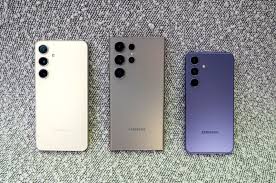
As AI Takes Over the Smart Home, Could the Humble Battery Become the Tech Feature That Matters Most?

Smart homes are becoming increasingly intelligent. From AI-powered assistants and connected security cameras to robot lawnmowers and automated heating systems, technology is quietly changing how British households manage everyday life. Yet behind all these sophisticated features sits a surprisingly simple component: the battery.

As the UK becomes more conscious of energy bills, electronic waste and the true cost of replacing household technology, battery life is beginning to look less like a technical footnote and more like a major measure of value. For cordless appliances in particular, the difference between a product that still delivers useful runtime and one that needs constant charging can transform the ownership experience.

The Samsung Jet 90 VS9000 JET90 Stick Vacuum provides an interesting example. It may not have the headline-grabbing appeal of an AI assistant, but its long-term usefulness can depend heavily on something much less glamorous: how well its battery continues to perform.

The Smart Home Is Getting Smarter — But What About Its Batteries?

AI is increasingly being marketed as the next big step for home technology. Appliances are becoming more connected, more automated and better at adapting to how people use them.

That sounds impressive, but consumers are also becoming more practical.

A British household may appreciate an appliance that can offer intelligent controls or automated functions, but those features become less meaningful if the device cannot operate for long enough between charges. The same principle applies across the smart home, from cordless vacuum cleaners to security devices and portable cleaning equipment.

This is why battery health could become an overlooked specification.

Rather than asking only whether a product is smart, consumers may increasingly ask: How long will it remain useful?

Cordless Convenience Has a Battery Problem

Cordless vacuum cleaners have changed household cleaning. There is no cable to plug in, no socket to move between rooms and no need to drag a conventional vacuum cleaner around the house.

That freedom, however, comes with a trade-off.

The battery becomes central to the entire experience.

When a cordless vacuum is relatively new, its battery may provide enough runtime for normal cleaning without much thought. After years of repeated charging and discharging, however, battery capacity can naturally decline.

For owners of a Samsung Jet 90 VS9000 JET90 Stick Vacuum, this raises an important question: if the vacuum itself remains in good condition, does reduced battery performance really mean the whole machine has reached the end of its life?

Not necessarily.

A Battery Can Change How We Think About Product Lifespan

Modern consumer technology often encourages a simple cycle: buy, use, upgrade and replace.

But that approach is becoming harder to justify when the original device still performs its main function effectively.

A vacuum cleaner does not suddenly become obsolete because a newer model appears on a shop shelf. If the motor, filtration system, controls and physical components remain functional, a battery-related problem can potentially be a much smaller issue than replacing the entire appliance.

This is where the Samsung Jet 90 VS9000 JET90 Stick Vacuum becomes a useful case study in the broader repair-versus-replace debate.

Replacing a battery, where a suitable replacement and professional service are available, can potentially extend the useful life of an otherwise serviceable appliance. It also means fewer components need to enter the waste stream.

Britain’s Repair Culture Is Gaining Momentum

The idea of repairing rather than replacing is not new, but it is becoming increasingly relevant to British consumers.

The UK’s growing focus on sustainability, household budgets and reducing unnecessary waste has encouraged people to reconsider how long everyday products should last.

There is also a psychological shift taking place.

Consumers are becoming more aware that the cheapest-looking option at the checkout is not necessarily the cheapest option over several years. Buying a new appliance every time a battery deteriorates can create a surprisingly expensive cycle.

For someone who already owns a Samsung Jet 90 VS9000 JET90 Stick Vacuum, keeping the existing machine working may therefore make more sense than immediately shopping for a replacement.

The Real Cost of a New Vacuum Is More Than the Price Tag

When comparing an old appliance with a new one, it is easy to focus on the advertised price.

But the real cost can include packaging, transport, manufacturing, materials and eventually disposal of the old product.

This is particularly relevant as environmental awareness becomes part of everyday purchasing decisions.

A battery replacement does not automatically make sense in every situation. If a vacuum has multiple major faults, severe physical damage or expensive problems elsewhere, buying a new machine could be reasonable.

But if the primary issue is battery degradation, the calculation is different.

A Samsung Jet 90 VS9000 JET90 Stick Vacuum that still cleans effectively may have considerably more useful life left than its battery performance initially suggests.

Is Battery Health the Next Big Specification?

Smartphones have already made battery health a familiar concept.

People now routinely think about charging cycles, battery capacity and how long a phone will remain practical. The same thinking could eventually spread to other battery-powered household products.

Imagine shopping for a cordless vacuum and seeing not just suction power and accessories, but also information about expected battery longevity, replacement availability and long-term serviceability.

That would change the conversation.

Instead of simply asking, “How powerful is it?”, consumers could ask, “How long can I realistically expect to use it?”

For products such as the Samsung Jet 90 VS9000 JET90 Stick Vacuum, that question is arguably just as important as the original specification sheet.

AI Cannot Fix a Flat Battery

There is an irony in the race towards smarter homes.

Manufacturers are adding more intelligence to household products while one of the oldest limitations of portable technology remains unchanged: batteries eventually lose capacity.

An appliance could theoretically become better at recognising cleaning patterns, optimising performance or integrating with a wider smart-home ecosystem. But if its battery can no longer provide sufficient runtime, those advanced capabilities become much less useful.

This creates a useful reality check for the AI era.

The most important technology in tomorrow’s home may not always be the most complicated one. Sometimes, reliability, repairability and energy efficiency can matter more than another software feature.

The Second-Hand Market Could Make Battery Health Even More Important

The growing interest in refurbished and second-hand technology adds another dimension.

A used cordless appliance can represent good value, particularly when its core hardware remains capable. But battery condition becomes crucial when buying older battery-powered products.

A buyer considering a used Samsung Jet 90 VS9000 JET90 Stick Vacuum should therefore look beyond cosmetic condition. Runtime, charging behaviour and the availability of compatible replacement parts can all influence whether a second-hand purchase remains worthwhile.

In other words, the battery could become part of the product’s resale value.

A well-maintained appliance with a healthy battery may be much more attractive than an apparently identical model whose battery is nearing the end of its useful life.

The Humble Battery May Have the Last Word

AI will undoubtedly continue to reshape the smart home. Connected appliances will become more sophisticated, automation will become more widespread and household technology will increasingly anticipate what users want.

But the fundamentals still matter.

A cordless vacuum needs enough power to clean a home. A security device needs enough energy to stay operational. A portable appliance needs a battery that can withstand years of everyday use.

That is why the humble battery deserves more attention.

The Samsung Jet 90 VS9000 JET90 Stick Vacuum illustrates a wider point about consumer technology: the newest feature is not always the feature that determines whether a product remains useful.

For British households increasingly balancing convenience, budgets and sustainability, extending the life of existing technology could become just as important as buying the next generation.

The future of the smart home may be powered by AI, but its long-term success could still depend on something far more basic — battery life.
The Refurbished Phone Boom: Why Battery Health May Matter More Than Camera Megapixels

The UK smartphone market is changing. Instead of automatically replacing a handset every few years, more consumers are considering refurbished and second-hand phones as a practical way to save money and extend the life of existing technology.

But buying a refurbished phone requires a different way of thinking about specifications. Camera resolution, processor speed and display quality are easy to compare, yet one less glamorous specification can have a much bigger impact on everyday use: refurbished phone battery health.

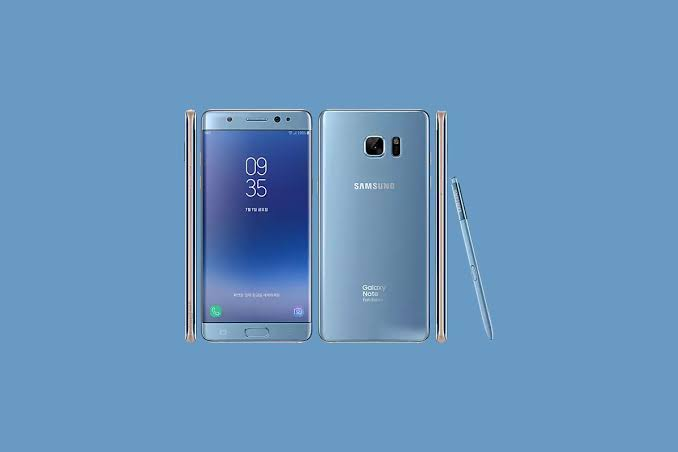
A phone may still have an excellent display and capable camera, but if its battery has significantly degraded, the experience can be frustrating. The Samsung Galaxy Note 7 Fan Edition provides an interesting case study in this wider discussion, particularly because of its age and its distinctive productivity-focused design.

Why Refurbished Phones Are Growing in Popularity in the UK

The appeal of refurbished phones is easy to understand. Consumers can gain access to higher-end hardware without paying the full price of a current flagship, while also keeping an existing device in circulation for longer.

This matters at a time when household budgets remain an important consideration for British consumers. Not everyone needs the latest smartphone with the newest camera system or AI features. For everyday tasks such as messaging, browsing, navigation, streaming and email, an older premium handset can still provide a useful experience.

However, condition matters enormously.

A refurbished phone with a healthy battery can be convenient and dependable. A similar handset with a heavily worn battery may require frequent charging and deliver a very different ownership experience.

That is why phone battery health should be considered alongside price, specifications and cosmetic condition.

Why Battery Health Can Matter More Than Camera Megapixels

Smartphone manufacturers often use camera specifications to demonstrate technological progress. Higher megapixel counts, additional lenses and advanced image processing can make a new model look considerably more impressive than an older device.

But camera specifications are not necessarily the most important factor for every user.

Most people use their smartphones throughout the day for a wide range of activities. They check messages, browse websites, use maps, listen to music, watch videos and make calls. All of these activities depend on reliable battery performance.

A degraded battery can therefore affect almost every aspect of smartphone use.

This creates an interesting situation in the refurbished market. A phone with an older camera but a healthy battery may be more practical than a newer-looking handset with a badly degraded battery.

For consumers buying a refurbished phone, battery condition should therefore be treated as a core specification rather than an afterthought.

Samsung Galaxy Note 7 Fan Edition: An Interesting Case Study

The Samsung Galaxy Note 7 Fan Edition is a particularly unusual example of how battery considerations can shape the story of an older smartphone.

The model was developed around the Note 7 platform but introduced changes following the problems associated with the original Note 7. Samsung made battery-related revisions as part of its effort to create a safer version of the device.

Years later, the conversation is different.

For someone considering a surviving Samsung Galaxy Note 7 Fan Edition today, the original specifications are only part of the equation. The physical condition of the handset, battery condition, charging behaviour and software compatibility are all important.

This makes the device useful as a case study for the refurbished-phone market. It demonstrates that a smartphone’s long-term value cannot be judged entirely by the specifications it had when it was first released.

What Happens to a Smartphone Battery Over Time?

Lithium-ion batteries naturally lose capacity as they age. Repeated charging cycles, heat and normal use gradually reduce the amount of energy the battery can store.

This does not necessarily mean that an older battery will suddenly stop working. More commonly, users notice a gradual decline in practical battery life.

Typical signs of an ageing smartphone battery can include:

  • The battery percentage falls unusually quickly.
  • The handset requires charging more frequently.
  • Battery life becomes noticeably shorter than before.
  • The phone switches off unexpectedly at higher percentages.
  • Charging behaviour becomes inconsistent.
  • The handset becomes unusually warm during charging or heavy use.

For an older device such as the Samsung Galaxy Note 7 Fan Edition, these factors deserve particular attention because battery age can become more significant than the original battery specification.

Refurbished Phone Battery Health Should Be a Buying Priority

When comparing refurbished phones UK buyers should look beyond the exterior.

A handset can have a few small scratches and still provide excellent everyday performance. Conversely, a phone that looks almost new may have an ageing internal battery.

Before purchasing, ask whether battery condition has been tested and whether the battery has previously been replaced. If the seller provides battery-health information, use it as part of the overall assessment rather than looking only at the phone’s cosmetic grade.

It is also worth considering how you intend to use the device.

Someone who mainly uses Wi-Fi for messaging and occasional browsing may have different battery requirements from a commuter who relies on mobile data, GPS and video calls throughout the day.

Battery health is therefore closely connected to personal usage patterns.

The Repair-or-Replace Question

One of the biggest changes in consumer technology is the growing willingness to consider repair before replacement.

When a smartphone develops a problem, replacing the entire handset can be the easiest option. However, if the screen, processor, cameras and other components remain functional, repairing a specific fault may extend the useful life of the device.

Battery replacement is one example.

A new battery cannot make an old smartphone equivalent to a modern flagship. It cannot add a newer camera or transform the processor. What it can potentially do is restore more dependable battery life.

For a device such as the Samsung Galaxy Note 7 Fan Edition, this distinction is important. Its age means that repair decisions should take into account battery availability, repair costs, software limitations and the overall physical condition of the handset.

Battery replacement should also be carried out using appropriate tools and procedures. Lithium-ion batteries can be hazardous if punctured, damaged or incorrectly installed, so professional repair is preferable where the user’s experience or equipment is limited.

Britain’s Growing Interest in Longer Device Lifespans

The refurbished market is connected to a broader change in how consumers think about electronic products.

Instead of asking only, “What is the newest phone?”, buyers are increasingly asking, “How long can this phone remain useful?”

That shift has implications beyond personal finances. Keeping a functioning smartphone in use for longer can reduce the demand for new devices and help limit unnecessary electronic waste.

This is one reason refurbished technology fits naturally into conversations about sustainability and the circular economy.

The Samsung Galaxy Note 7 Fan Edition may be an older and niche example, but the underlying principle applies to much newer smartphones as well. A device does not automatically become worthless when a new generation appears.

Its usefulness depends on whether it can still meet the user’s requirements safely and reliably.

Should You Choose an Older Flagship or a New Budget Phone?

This is a common dilemma in the second-hand smartphone market.

An older flagship can offer a premium display, better materials and specialist features that may still be attractive. A newer budget phone, meanwhile, may offer a fresher battery, newer connectivity and potentially longer software support.

Neither option is automatically better.

The Samsung Galaxy Note 7 Fan Edition, for example, can be viewed through its distinctive S Pen and large-screen productivity features rather than simply compared with today’s flagship specifications.

But age introduces limitations. Buyers considering an older smartphone should check whether the applications they rely on remain compatible and whether security and software support meet their expectations.

The best refurbished phone is therefore not necessarily the newest-looking one. It is the handset that offers the right combination of condition, battery performance, functionality and price.

How to Check Battery Health When Buying a Refurbished Phone

A few practical checks can help buyers make a more informed decision.

1. Ask About Battery Condition

If battery-health information is available, review it before making a purchase. If it is not available, ask the seller whether the battery has been tested.

2. Look for Rapid Battery Drain

A quick percentage drop during ordinary use can indicate that the battery is significantly worn.

3. Test Charging

Check whether the phone charges consistently and whether the charging connection remains stable.

4. Check for Unexpected Shutdowns

Unexpected power-offs can be a warning sign, particularly if they occur while the battery indicator still shows a relatively high percentage.

5. Consider the Phone’s Age

Battery ageing is inevitable. A much older smartphone deserves more careful inspection than a recently released refurbished model.

These checks are particularly useful when evaluating an older Samsung Galaxy Note 7 Fan Edition or any other discontinued smartphone.

Why Battery Health Could Become a New Refurbished-Smartphone Metric

As the refurbished market becomes more sophisticated, buyers may increasingly want clearer information about battery condition.

Imagine two refurbished smartphones offered at a similar price. One has a slightly better camera but a heavily worn battery. The other has an older camera but dependable battery performance.

For many people, the second option could provide the better everyday experience.

This highlights an important weakness in traditional smartphone comparisons. Specification sheets tend to focus on maximum performance, while refurbished buyers need information about actual condition.

Battery health bridges that gap.

It tells consumers something about how the phone is likely to behave after years of use, rather than simply describing what the hardware was capable of when new.

The Real Meaning of a Smartphone Upgrade Is Changing

The smartphone upgrade cycle has traditionally been driven by new features.

A better camera, faster processor or more advanced display could provide a reason to replace an existing handset. Today, however, many consumers may find that their current phone already handles most everyday tasks adequately.

The real problem might simply be battery life.

That changes the definition of an upgrade. Instead of automatically buying a completely new phone, some users may consider repair, battery replacement or a refurbished alternative.

The Samsung Galaxy Note 7 Fan Edition illustrates this broader shift particularly well. Its age makes it unsuitable for every modern user, but its existence also raises an important question: how much useful life should we expect from a smartphone before deciding that it is time to replace it?

What Does This Mean for UK Smartphone Buyers?

For British consumers, the refurbished market offers more choice than simply buying the latest flagship.

But more choice also means greater responsibility when comparing devices.

Price should not be the only consideration. Buyers should look at battery health, physical condition, software compatibility, charging performance and the availability of suitable repairs.

Camera specifications still matter, particularly for photography enthusiasts. But for everyday users, battery reliability can have a much greater effect on daily convenience.

The Samsung Galaxy Note 7 Fan Edition demonstrates why looking beyond headline specifications is important when evaluating older smartphones.

Conclusion: Battery Health Could Be the Real Measure of Refurbished Value

The refurbished smartphone market is changing the way people define value. Instead of focusing exclusively on how new a device is, consumers are increasingly considering how well it can continue to perform.

That makes refurbished phone battery health an increasingly important part of the buying decision.

The Samsung Galaxy Note 7 Fan Edition provides an unusual but useful example. Its distinctive design and productivity features show why an older smartphone can remain interesting, while its age highlights the importance of battery condition, physical state and software compatibility.

The key lesson is straightforward: a high megapixel count may look impressive on a specification sheet, but a dependable battery affects almost every part of everyday smartphone use.

For UK buyers exploring refurbished technology, the smartest choice may not always be the phone with the newest camera. It may be the phone with the healthiest combination of battery, hardware, software and remaining useful life.

FAQ: Refurbished Phone Battery Health

Is battery health important when buying a refurbished phone?

Yes. Battery health can have a major impact on how long a refurbished smartphone lasts between charges and how reliable it feels during everyday use.

What should I check before buying a refurbished smartphone?

Check battery condition, screen quality, charging performance, cameras, speakers, connectivity, physical damage and software compatibility. The phone’s age should also be considered.

Is an older Samsung phone worth buying refurbished?

It can be, depending on its condition, price, software compatibility and battery performance. Older premium Samsung models may still offer useful features, but buyers should assess their limitations carefully.

Can replacing a phone battery improve performance?

A battery replacement can improve battery life and reduce problems caused by an ageing battery. However, it does not upgrade the processor, camera or other hardware.

Is the Samsung Galaxy Note 7 Fan Edition still useful?

The Samsung Galaxy Note 7 Fan Edition may still be of interest to collectors or users who value its particular design and productivity features. However, its age means buyers should pay close attention to battery condition, compatibility and overall device health.

Does a higher megapixel camera mean a better refurbished phone?

Not necessarily. Camera quality depends on several factors, including sensors, lenses, image processing and stabilisation. For many buyers, battery reliability may have a greater effect on everyday usability.

Why are refurbished phones becoming more popular in the UK?

Refurbished phones can provide access to capable hardware at a lower price while also extending the useful life of existing electronics. This appeals to consumers interested in value, longevity and more sustainable technology consumption.

Should I replace the battery or buy another phone?

It depends on the phone’s overall condition, repair cost, software support and your requirements. If the battery is the main problem and the rest of the device works well, repair may be worth considering.

Why Britain’s Toughest Workplaces Are Turning to This Unbreakable Tablet

While the UK tech sector is buzzing with AI startups securing billion-pound valuations and the government pouring millions into sovereign AI infrastructure, a quieter but equally significant shift is happening on the ground. From construction sites across the Midlands to warehouses in the logistics hubs of the North, British businesses are discovering that the most valuable piece of tech isn’t always the one with the most processing power—it’s the one that simply refuses to break. Enter the Samsung Galaxy Tab Active Pro (SM-T540/T545/T547): a tablet built not for coffee shops, but for the kind of work that would destroy an ordinary device in a single shift.

Samsung Galaxy Tab Active Pro review: Rugged, affordable tablet built for work in the field | ZDNET

Design That Doesn’t Flinch

The Tab Active Pro looks different because it is different. At 653 grams and just under a centimetre thick, it carries weight that speaks to substance. The 10.1-inch TFT display delivers a crisp 1920 x 1200 resolution—clear enough for reviewing blueprints, floor plans, or detailed inspection reports even in less-than-ideal lighting. But the real story lies beneath the surface. This tablet has passed 21 of the MIL-STD-810G military-grade tests, meaning it can survive drops, shocks, vibrations, and extreme temperatures that would send a consumer tablet to an early grave. It carries an IP68 rating for dust and water resistance, so a sudden downpour on a British building site or an accidental drop into a puddle won’t stop the workflow. The anti-shock build and included protective case put minds at ease, making this the kind of device that field technicians, construction workers, and logistics managers can rely on without constantly worrying about accidental damage.

Performance That Keeps Pace with the Job

Under the hood, the Tab Active Pro is powered by a Qualcomm Snapdragon 670 processor paired with 4GB of RAM and 64GB of internal storage, expandable via microSD up to 512GB. It runs on Android (upgradeable to Android 11), providing access to the full suite of enterprise applications that modern British businesses depend on. For organisations embracing the UK’s push toward digital transformation in manufacturing and logistics, this tablet offers the performance needed to run inventory management systems, capture signatures, process payments via NFC, and access real-time production data—all without missing a beat. The inclusion of Samsung Knox security provides defence-grade protection, a critical feature as UK firms increasingly prioritise security alongside performance and reliability in their cloud and mobile strategies.

The Feature That Changes Everything

Perhaps the most remarkable aspect of the Tab Active Pro is something that has become increasingly rare in modern tablets: a user-replaceable battery. The 7,600mAh battery delivers up to 15 hours of runtime on a full charge, enough to power through even the longest workday. But when that power runs low, the difference is stark. Instead of hunting for a wall socket and waiting for a recharge, workers can simply swap in a fresh battery and continue without interruption. This simple yet revolutionary feature has made the Tab Active Pro a favourite among professionals who can’t afford downtime—and has driven significant interest around high capacity Tab Active Pro battery replacement options for those looking to maintain peak performance over years of heavy use. For teams operating in remote locations or on the move, the ability to carry a spare and perform a quick swap rugged tablet power pack change means the work doesn’t stop when the battery icon turns red.

Smart Features for the Modern Workforce

The Tab Active Pro doesn’t just survive tough conditions—it helps workers thrive in them. The included S Pen, itself IP68-rated, allows for precise note-taking, sketch creation, and digital signature capture even in wet conditions or while wearing gloves. The enhanced touch sensitivity means the screen responds perfectly even when fingers are gloved, a small detail that makes a world of difference on a cold British morning.

Samsung DeX transforms the tablet into a PC-like experience when connected to an external monitor, allowing seamless transition between field work and office-based tasks. The programmable button provides instant access to critical line-of-business applications, while the heavy-duty POGO Pin connector enables drop-in charging and accessory compatibility. For businesses running mobile point-of-sale operations, the NFC capability means payments can be accepted without additional hardware.

The Bigger Picture: Why This Matters Now

As the UK’s rugged tablet market continues to expand and British businesses increasingly deploy frontline workers with mobile technology, the Tab Active Pro represents a practical solution to a real-world problem. The device has proven itself in the UK’s ‘higher efficiency’ initiatives, where managers can stay at the heart of store operations rather than being tied to workstations. For field service technicians, logistics workers, and construction professionals who rely on dependable battery performance throughout the day, the ability to perform a field-ready Tab Active Pro battery unit exchange without powering down or losing data is nothing short of transformational.

The tablet’s durability doesn’t end with its physical construction. With support for GPS, GLONASS, Galileo, and BeiDou navigation systems, workers in even the most remote parts of the country can maintain accurate positioning and connectivity. The inclusion of biometric security—fingerprint and facial recognition—adds an extra layer of protection for sensitive corporate data.

A Device Built for the Long Haul

What makes the Tab Active Pro truly remarkable isn’t any single feature—it’s the combination of everything. This is a tablet that acknowledges the reality of modern work: that sometimes the most important tool isn’t the one with the flashiest specifications, but the one that simply works, day in and day out, in conditions that would destroy lesser devices. As British industry continues its digital transformation and frontline workers become increasingly connected, the Tab Active Pro stands as a testament to the idea that toughness and intelligence aren’t mutually exclusive.

For businesses tired of replacing broken tablets and professionals frustrated by devices that can’t keep up with the demands of the job, the Samsung Galaxy Tab Active Pro offers something increasingly rare: peace of mind. It’s not just a tablet—it’s a tool that respects the work it’s asked to do.

7400mAhEB-BT545ABY Replacement Battery for Samsung Tab Active Pro SM-T540/T545/T547

Our Samsung EB-BT545ABY battery is manufactured to the highest quality standards, offering flawless compatibility with your Samsung Tab Active Pro SM-T540/T545/T547. With a robust 7400mAh capacity and 3.8V output, it delivers the enduring power you need for your device.

Designed specifically for the Samsung Tab Active Pro SM-T540/T545/T547 (Model EB-BT545ABY), this high-performance battery guarantees a perfect fit and reliable power. Rest assured, this replacement battery is engineered to seamlessly integrate and perform, providing a power solution you can trust.

When you shop at oriccaBattery.co.uk, you not only get a premium product but also a worry-free shopping experience. Enjoy the benefits of Free Shipping, a comprehensive One-Year Warranty, and a 30-Day Money-Back Guarantee.


Debunking the Myth: Do You Really Need to Charge Your New Third-Party Phone Battery for 12 Hours?

If you’ve recently replaced your phone’s battery with a third-party model, you might have heard: “Charge it for 12 hours the first time to activate it.” In 2026, with lithium-ion batteries powering every device from Apple iPhone to Samsung Galaxy, is this practice still necessary? Let’s debunk the myth.

The Origin of the “12-Hour Charge” Myth

This advice dates back to the 1990s when nickel-cadmium (NiCd) batteries powered portable devices. NiCd batteries suffered from “memory effect”—partial charging reduced their capacity over time. Manufacturers recommended full 12+ hour charges to counteract this.

However, modern smartphones, tablets like iPad Pro and Samsung Galaxy Tab, and laptops like Dell XPS and MacBook all use lithium-ion (Li-ion) batteries. These batteries have no memory effect. In fact, overcharging Li-ion batteries can cause damage, though modern devices include built-in protection circuits.

Third-Party Battery Misconceptions

Third-party batteries from brands like Anker, Ugreen, and NOHON are more affordable than OEM options. Two common misconceptions persist:

Myth 1: “Third-party batteries need extra activation because they’re not calibrated.” False—calibration is a software process requiring only one normal charge cycle.

Myth 2: “Cheap batteries require longer charging to unlock full capacity.” Also false—Li-ion batteries ship at 40-60% charge. The first charge simply brings them to operational level.

What You Should Actually Do

First Charge: Whether using a Google Pixel, OnePlus, or Xiaomi phone, simply charge to 100% and unplug. No marathon sessions needed.

Avoid Extreme Temperatures: Charge at room temperature. Never charge devices in hot cars or direct sunlight.

Maintain 20-80% Range: Li-ion batteries prefer partial cycles for daily use on devices like Microsoft Surface or Lenovo tablets.

Check Battery Quality: Choose third-party batteries with CE, FCC, or RoHS certifications and built-in Battery Management Systems (BMS).

The Bottom Line

In 2026, the “12-hour first charge” is a relic of outdated battery technology. For your new third-party Li-ion battery in any Apple, Samsung, or other device, charge normally, avoid extremes, and prioritize quality. Your battery—and your patience—will thank you.

Do Shared Power Banks Cause “Battery Damage”?

The truth is nuanced: shared power banks don’t directly damage batteries, but improper use or low-quality devices can accelerate degradation. Understanding the risks requires examining technical principles, usage patterns, and device quality.

1. Core Culprits of Battery Damage

Lithium-ion batteries in devices like the iPhone 15, Samsung Galaxy S24, or iPad Pro age through three factors: temperature, charging current, and state of charge. Shared power banks can amplify these risks.

High Temperatures: Li-ion batteries perform best at 20–25°C. Shared power banks often lack proper cooling systems. A 2023 study found that charging an iPhone 14 with a 30W shared power bank at 35°C raised battery temperature to 42°C, causing 15% capacity loss after 100 cycles—double the loss from using Apple’s original adapter at 25°C.

Protocol Mismatches: Low-cost power banks claiming PD or Quick Charge support may deliver unstable voltage. This causes chaotic lithium-ion migration, forming dendrites that reduce capacity and risk short circuits in devices like Google Pixel or OnePlus phones.

Low Battery + Fast Charging: Charging below 20% battery with fast-charging mode accelerates “lithium plating,” causing 30% faster degradation than slow charging.

2. When Damage Occurs

Occasional use of reputable brands (Anker, RAVPower) poses minimal risk. Damage happens when:

Using low-quality devices: A 2024 China Consumers Association test found 15% of shared power banks had voltage issues, and 22% lacked thermal cutoffs above 45°C.

Daily reliance: Replacing original Samsung or Huawei chargers with shared power banks causes cumulative damage.

Charging while gaming: Using your Microsoft Surface or MacBook while charging creates excessive heat (45°C+).

3. Protection Strategies

• Choose certified brands passing CE/FCC standards

• Charge at 20–30% battery, not below 10%

• Disable fast charging on Dell laptops or Sony Xperia phones when using shared power banks

• Unplug at 50–80% charge to avoid prolonged high voltage

• Monitor temperature—disconnect if devices feel hot

• Frequent users: invest in personal Anker or Xiaomi portable chargers

Conclusion

Shared power banks are safe for occasional emergencies but shouldn’t replace primary chargers for your Lenovo tablet or OnePlus device. The real issue isn’t the technology—it’s usage habits and device quality. Minimize heat exposure, avoid extreme charging states, and choose reputable brands to protect your battery’s lifespan.