The British weather has a habit of turning even the simplest outdoor adventure into a test of endurance. One moment, the skies are clear; the next, rain is sweeping across the Lake District or strong winds are battering the coastline. For anyone who enjoys running, hiking, cycling or open-water swimming, a smartwatch needs to do more than count steps and deliver smartphone notifications.
That is where the Apple Watch Ultra 4 enters the conversation. Building on the Ultra range’s reputation for durability, outdoor navigation and advanced fitness tracking, this model represents the kind of premium smartwatch that active users want to take beyond the gym.
However, there is an important distinction to make: a product review should separate confirmed specifications from expectations. Unless its final UK specifications and independent test results are available, claims about the Ultra 4’s battery life, performance and new features should be treated with caution. Even so, the qualities that make the Ultra family appealing provide a useful framework for assessing what a next-generation model needs to deliver.
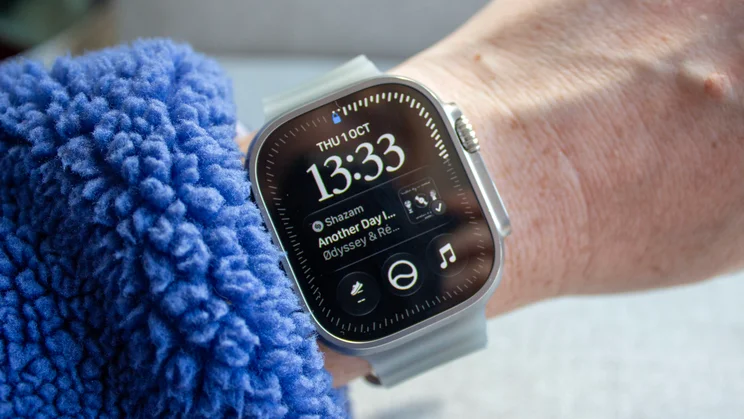
Design and Durability: Ready for Britain’s Unpredictable Weather
A rugged smartwatch must withstand considerably more than everyday knocks against a desk or doorframe. For outdoor enthusiasts, it needs to cope with rain, mud, temperature changes and the occasional accidental impact.
The Apple Watch Ultra family is known for its robust construction, prominent controls and design intended for demanding activities. The rugged smartwatch design is particularly attractive to people who regularly head into the countryside, where gloves, wet hands and limited visibility can make conventional touchscreen controls frustrating.
For British hikers, this could be especially useful on exposed routes in Snowdonia, the Scottish Highlands or the Yorkshire Dales. A watch that remains comfortable and usable in challenging conditions is more valuable than one that simply looks impressive on a wrist.
The larger case and substantial appearance will not suit everyone, though. Users with smaller wrists may prefer a lighter Apple Watch, particularly when wearing a device throughout the night to monitor sleep.
Ultimately, the best outdoor smartwatch must strike a balance between durability, comfort and everyday practicality.
Battery Life: The Feature That Could Make or Break It
Battery life is arguably the most important consideration for anyone comparing premium sports watches. Advanced displays, GPS tracking, health sensors and constant connectivity can all consume energy, making endurance a genuine challenge for modern wearables.
For the Apple Watch Ultra 4 battery life to stand out, it would need to offer dependable performance during long training sessions and extended outdoor trips. A smartwatch that lasts comfortably through a full day of notifications, workouts and navigation is useful. One that can also support longer adventures without constant charging would be considerably more appealing.
This matters in the UK, where daylight hours change dramatically throughout the year. Winter walkers may leave home before sunrise and return after sunset, relying on navigation and activity tracking for much of the day.
Potential buyers should pay attention to three factors: standard daily battery performance, battery consumption during continuous GPS workouts, and charging time. Advertised endurance figures are useful, but real-world results often depend on display brightness, mobile connectivity, workout duration and software settings.
The Apple Watch Ultra 4 battery performance should therefore be judged through independent testing rather than headline claims alone. Until verified figures are available, it would be premature to promise a specific number of hours or days.
For existing Ultra owners, the question is straightforward: does the new model deliver enough additional endurance to justify an upgrade?
Fitness Tracking: More Than Counting Steps
Fitness technology has evolved considerably beyond basic step counting. Runners increasingly expect accurate distance measurements, useful recovery insights and training information that helps them improve without pushing their bodies too hard.
A premium Apple smartwatch needs to deliver a comprehensive fitness tracking smartwatch experience, covering everything from everyday movement to structured workouts.
For runners training for the London Marathon or local half-marathons, useful features include pace tracking, heart-rate monitoring, workout history and clear summaries after each session. Cyclists need reliable distance and elevation data, while swimmers benefit from activity tracking suited to pool and open-water sessions.
The value of these features depends on accuracy and usability. A long list of metrics is not particularly helpful if users struggle to understand what the numbers mean.
A strong Apple Watch Ultra 4 fitness tracking experience should turn collected data into practical information. That might mean helping a runner recognise a demanding training week, encouraging a more consistent routine or making it easier to compare performance over time.
For casual exercisers, meanwhile, simple activity reminders and progress tracking may be more useful than advanced training analytics.
GPS and Navigation: Confidence Beyond the City
Navigation is one area where an outdoor-focused smartwatch can distinguish itself from a conventional fitness tracker.
Britain offers countless walking routes, from well-marked urban trails to remote mountain paths where mobile coverage can be unreliable. For people exploring unfamiliar terrain, GPS smartwatch navigation can provide valuable reassurance.
A capable device should offer accurate route recording, clear directional information and practical tools for retracing steps when necessary. Mapping features are particularly valuable when visibility deteriorates or a familiar route becomes difficult to recognise in poor weather.
However, users should not assume that a smartwatch completely replaces a dedicated map, compass or phone. GPS accuracy can vary with terrain, buildings and environmental conditions, while digital navigation depends on the capabilities available on the specific device.
For serious hillwalkers, the ideal setup combines technology with basic outdoor preparation. Downloading available maps in advance, checking weather forecasts and carrying suitable emergency equipment remain sensible precautions.
If the Ultra 4 improves navigation reliability or makes route information easier to read, those changes could be more valuable to experienced walkers than cosmetic design updates.
Health Monitoring: Useful Insights for Everyday Life
Health tracking has become one of the biggest reasons people buy smartwatches. Users want to understand their sleep patterns, monitor their heart rate and develop healthier routines without carrying additional equipment.
The Apple Watch Ultra series already targets users who want a broad selection of health and fitness tools. For a next-generation model, the most meaningful improvements would involve more reliable measurements, clearer insights and better integration with Apple’s wider health ecosystem.
A well-designed Apple Watch Ultra 4 health monitoring experience should help users recognise patterns rather than encourage them to obsess over every fluctuation.
Sleep tracking, for example, can reveal whether a late night appears to affect the following day’s routine. Heart-rate trends can provide useful context during training, while reminders to move may encourage office workers to take regular breaks.
Nevertheless, smartwatch measurements are not a substitute for medical advice or professional diagnosis. Anyone experiencing concerning symptoms should seek appropriate healthcare rather than relying on a wearable to rule out a problem.
The real benefit of health technology is its ability to support informed decisions, not to create unnecessary anxiety.
Smart Features: Staying Connected Without Losing Focus
Outdoor performance is only part of the equation. A premium smartwatch must also fit comfortably into everyday British life, from the morning commute to meetings, shopping trips and evenings out.
The appeal of an Apple Watch Ultra 4 smartwatch would extend beyond fitness if it offered a smooth experience with notifications, calls, compatible apps and other connected services. The precise options would depend on the confirmed hardware, software and connectivity configuration.
For commuters travelling on busy trains or navigating crowded London streets, checking an important notification from the wrist can be more convenient than repeatedly reaching for a phone.
There is, however, a downside to constant connectivity. Notifications can interrupt concentration, while checking activity statistics throughout the day may become another source of digital distraction.
The best approach is to customise alerts, prioritise important contacts and enable quieter modes during workouts or downtime. A smartwatch should make life more manageable rather than demand constant attention.
Apple Watch Ultra 4 vs Other Premium Smartwatches
Competition in the premium wearable market is fierce. Garmin’s outdoor-focused watches appeal to athletes and adventurers who prioritise training tools and endurance, while Samsung’s Galaxy Watch range offers an alternative for users within the Android ecosystem.
Apple’s biggest advantage is integration. For people who already use an iPhone, Apple services and compatible accessories, the Ultra family offers a familiar connected experience.
Garmin, on the other hand, is particularly attractive to users who place substantial emphasis on endurance, navigation and detailed training data. The best choice depends on the activities that matter most, rather than the number of features listed on a product page.
When comparing the best premium smartwatch for outdoor activities, buyers should consider verified battery performance, GPS accuracy, comfort, mapping capabilities and the cost of ownership.
The Ultra 4 would need measurable improvements over its predecessors to make a compelling case for existing owners. For first-time buyers, the decision would depend on its final specifications and price compared with competing devices.
Price and Value: Is an Upgrade Worth It?
Premium smartwatches can be expensive, so the purchase deserves more consideration than a quick comparison of launch prices.
For UK buyers, the total cost includes the watch itself, any additional accessories and the possibility of replacing equipment over time. It is also worth considering whether existing devices already cover most of the features on offer.
Someone who mainly checks messages, counts steps and occasionally tracks a run may find a standard Apple Watch more than sufficient. Regular hikers, endurance athletes and people who value a more rugged design may have stronger reasons to consider an Ultra model.
The Apple Watch Ultra 4 price in the UK should be assessed alongside its confirmed specifications and real-world performance. Until official pricing is established, estimates should not be mistaken for a final retail price.
Owners of an older Ultra should also compare the practical improvements with the cost of keeping their current watch. If their existing device remains reliable and meets their needs, waiting for a substantial upgrade could be the smarter decision.
Verdict: Built to Go the Distance?
The Apple Watch Ultra concept is compelling because it combines everyday smartwatch convenience with features designed for demanding activities. For Britain’s runners, cyclists, swimmers and walkers, durability, dependable navigation and useful health tracking are far more important than flashy specifications alone.
The Apple Watch review ultimately comes down to whether the finished product delivers meaningful improvements in battery endurance, GPS performance, comfort and training tools. These are the areas that can make a genuine difference on a long countryside walk or during months of marathon preparation.
Until independently verified specifications and test results are available, it is too early to give a definitive verdict on its performance or value.
One thing is clear, however: the ideal outdoor smartwatch should encourage people to spend less time worrying about their technology and more time enjoying the experience. Whether tackling a windswept coastal path, training for a personal best or simply getting through a busy working day, a watch built to go the distance must prove its worth when it matters most.