Eight Years On, the Razer Blade 15 2018 RZ09-02386 Faces Its Biggest Challenge: Is the Battery Now the Weakest Link?

Eight years is a long time in consumer technology. In the space of a few product cycles, gaming laptops have moved from conventional processors and graphics hardware towards AI acceleration, faster displays, smarter power management and increasingly efficient chips. Yet some older machines refuse to disappear.

The Razer Blade 15 2018 RZ09-02386 is a good example. When it arrived, the Blade 15 helped establish the idea that a gaming laptop did not necessarily need to look like a bulky desktop replacement. Its slim aluminium design, high-performance hardware and understated appearance made it attractive to gamers and professionals alike.

In 2026, however, there is a different question to ask. Is the ageing battery now a bigger problem than the laptop’s original hardware?

For owners of older gaming machines, this is becoming increasingly relevant as the UK market pays more attention to repairability, refurbished technology, household budgets and electronic waste. Rather than immediately replacing an entire laptop, some users are asking a simpler question: could replacing one ageing component extend the useful life of the machine?

Eight Years Is a Serious Test for Any Gaming Laptop

Modern laptops are often discussed in terms of processor generations, GPU performance, RAM and display technology. Battery health receives considerably less attention until something goes wrong.

After eight years, though, battery degradation is difficult to ignore.

Lithium-ion batteries naturally lose capacity through charging cycles, heat and simply the passage of time. A laptop that once delivered several hours of everyday use may eventually manage only a fraction of that figure away from the mains.

That does not necessarily mean the computer itself has become useless.

For an owner of a Razer Blade 15 2018 RZ09-02386, the difference between a functioning laptop and a frustrating one may come down to how long it can operate without a charger. If the machine still handles the user’s everyday software, older games, streaming and general productivity needs, a worn battery could be the most obvious weakness.

This changes the upgrade conversation.

Instead of asking, “Do I need a new laptop?”, users can first ask, “What is actually stopping my current laptop from being useful?”

The Battery May Be the Weakest Link

There is a common assumption that an eight-year-old gaming laptop must be obsolete. That is too simplistic.

Technology has certainly moved forward. New gaming laptops can offer substantially better efficiency, graphics performance, connectivity and AI-related features. But not everyone needs the latest hardware.

A student writing essays, a home worker using Microsoft Office and a browser, or a casual gamer playing less demanding titles may not require the newest machine available.

For these users, the battery can become the weakest link.

Consider a Razer Blade 15 2018 RZ09-02386 that still boots reliably, has a healthy display, sufficient storage and hardware capable of handling its owner’s normal workload. If its battery has deteriorated badly, the laptop may feel old even when its core functions remain perfectly usable.

A replacement battery can therefore have an outsized effect on the everyday experience.

It will not magically transform an eight-year-old laptop into a 2026 gaming machine. But it could restore the portability that originally made the laptop attractive.

Why This Matters in the UK in 2026

The British technology market is increasingly shaped by value.

The cost-of-living debate, interest in refurbished electronics and growing awareness of electronic waste have all encouraged consumers to think more carefully before replacing working devices.

That does not mean everyone wants an eight-year-old laptop. Far from it. For demanding modern games, professional creative applications or workloads that depend heavily on the latest processors and GPUs, upgrading can make perfect sense.

But there is a large middle ground.

Someone who already owns a Razer Blade 15 2018 RZ09-02386 may not be comparing it with the latest flagship gaming laptop because they need maximum frame rates. They may simply want a dependable machine for another year or two.

That is where battery replacement becomes interesting.

The economic calculation is no longer just about performance. It is about the cost of extending something that already works.

Repair, Not Replace

The wider “repair rather than replace” movement is particularly relevant to ageing laptops.

A modern laptop contains numerous components and materials, from circuit boards and displays to batteries and aluminium chassis. Replacing an entire computer because of one degraded component can create unnecessary waste when the rest of the machine remains functional.

Battery replacement is not always suitable for every laptop, of course. Compatibility, battery condition, installation difficulty and safety all matter. A damaged or swollen battery should never be treated as a routine DIY project.

Nevertheless, the principle is straightforward: identify the failing component before assuming the whole product has reached the end of its useful life.

For the Razer Blade 15 2018 RZ09-02386, this approach is particularly relevant because the machine was designed around a premium, relatively compact form factor. If the chassis, screen, keyboard and main hardware remain in good condition, keeping that hardware in service can make practical sense.

Refurbished Doesn’t Always Mean Cheap and Old

The UK’s refurbished technology market has also changed the way consumers think about older electronics.

“Refurbished” once carried an implication of compromise. Today, many buyers actively look for refurbished phones, laptops and tablets because they want better value without necessarily buying the newest model.

But there is an important distinction between a cheap used laptop and a properly maintained one.

Battery condition is one of the clearest examples.

Two identical Razer Blade 15 2018 RZ09-02386 laptops could have very different real-world value depending on their battery health. One might spend most of its life connected to mains power in a cool environment. Another might have experienced years of frequent charging, heat and heavy gaming.

On paper, they are the same model.

In everyday use, they are not.

This is why battery health deserves greater attention when buying or selling used technology.

Gaming Makes Battery Health Even More Complicated

Gaming laptops have a unique relationship with batteries.

Serious gaming generally consumes far more power than browsing the web, watching video or writing documents. As a result, many gamers naturally play while connected to the charger.

That can be perfectly reasonable, but heat remains an important factor in battery ageing.

An eight-year-old Razer Blade 15 2018 RZ09-02386 may therefore have spent hundreds or thousands of hours exposed to demanding workloads and elevated temperatures.

The result is not necessarily catastrophic failure. More commonly, users notice gradually reduced battery life.

The laptop might still perform well when plugged in. It is simply less convenient when taken away from the desk.

This distinction matters because it separates performance problems from battery problems.

If a laptop struggles because its CPU or GPU can no longer handle a particular workload, replacing the battery will not solve the issue. But if the main complaint is dramatically reduced unplugged runtime, a new battery could address the actual problem.

Does a New Battery Make an Eight-Year-Old Laptop “New” Again?

No — and that is precisely the point.

A battery replacement should not be marketed as a performance upgrade equivalent to buying a new gaming laptop.

The Razer Blade 15 2018 RZ09-02386 remains a product from another technological era. It will not suddenly acquire the efficiency, AI capabilities or graphics performance of a modern gaming machine.

What a replacement battery can potentially provide is something much simpler: usability.

A healthier battery can make it easier to move from one room to another, work in a café, study at university or use the laptop during a train journey without constantly searching for a socket.

For many people, that is enough.

The value of a repair is not necessarily measured by how many new features it adds. Sometimes it is measured by how much inconvenience it removes.

The Real Question: What Do You Actually Need?

This is perhaps the most important question for anyone considering an upgrade in 2026.

If you own a Razer Blade 15 2018 RZ09-02386, start with your actual usage.

Do you need to run the latest AAA games at high settings? Are you editing 4K video every day? Do you depend on modern AI workloads? Are you constantly travelling and therefore require exceptional battery efficiency?

If the answer is yes, a new laptop may be the sensible choice.

But if your workload consists primarily of web browsing, office applications, media consumption, light creative work and older or less demanding games, the calculation changes.

A battery replacement may offer a surprisingly practical middle option.

It can delay a larger purchase while allowing the existing machine to remain useful.

Eight Years Later, Longevity Is Becoming a Feature

The technology industry traditionally encourages consumers to look forward: faster processors, brighter screens, better cameras and new software features.

But another trend is emerging.

Longevity itself is becoming valuable.

A device that can remain useful for seven or eight years is attractive in an era when consumers are increasingly conscious of spending and electronic waste. Battery health is part of that equation because batteries are consumable components rather than permanent ones.

The story of the Razer Blade 15 2018 RZ09-02386 therefore goes beyond one gaming laptop.

It illustrates a broader shift in how people evaluate technology. Instead of asking only what a device can do when it is brand new, consumers are beginning to ask how easily it can remain useful years later.

A Smarter Upgrade Could Be a Smaller One

The most exciting part of the current technology cycle may not be another headline-grabbing processor.

It may be the growing willingness to repair, maintain and reuse the technology people already own.

For an eight-year-old Razer Blade 15 2018 RZ09-02386, the battery could genuinely be its weakest link. But that does not automatically make the entire laptop obsolete.

If the core hardware still meets the owner’s needs, replacing an ageing battery could be a more rational step than immediately buying a completely new machine.

In 2026, that way of thinking fits neatly with the UK’s growing interest in value, refurbishment, repair and more sustainable consumption.

The newest laptop will always win the specification race.

But sometimes, the smarter technology decision is not buying something new. It is giving something useful another chance.


AI Laptops Are Getting Smarter, but Are Their Batteries Getting Any Better? LG Gram 17 Faces the Battery Test

The laptop market is entering an interesting new phase. Artificial intelligence is becoming a bigger part of everyday computing, with manufacturers putting AI features at the centre of their latest Windows PCs. From productivity assistants and intelligent search to image generation and on-device processing, the modern laptop is expected to do far more than simply run Word, browse the web and stream Netflix.

But there is a question that often gets lost in the excitement over AI: what happens to battery life?

For British consumers, this is hardly a minor detail. A laptop used on a train from Manchester to London, in a university library in Edinburgh, or at a coffee shop in Bristol needs to last beyond the nearest wall socket.

That is where the LG Gram 17 / SuperSlim series provides an interesting case study. These machines have long focused on portability and battery endurance, highlighting a challenge that is becoming increasingly important as laptops become more powerful: can smarter computing remain genuinely mobile?

The AI PC Is Changing What We Expect from a Laptop

AI is no longer simply a feature reserved for specialist software. It is increasingly being integrated into everyday computing experiences.

Modern laptops can use AI capabilities for tasks such as meeting assistance, transcription, photo editing, content creation and productivity. Some workloads can also be processed locally rather than relying entirely on cloud services.

That sounds impressive, but more processing can potentially mean greater demands on hardware and power management.

This creates a new consumer dilemma. Buyers may be attracted by the latest processor, AI acceleration and intelligent features, but they may also expect the laptop to remain cool, quiet and capable of lasting through a full working day.

The LG Gram 17 / SuperSlim series sits neatly within this conversation because its appeal has traditionally centred on keeping a large-screen or highly portable laptop surprisingly easy to carry.

The question is no longer simply, “How powerful is this laptop?”

It is increasingly becoming, “How much can it do before I need to charge it?”

Why Battery Life Matters More in Britain

British laptop users have some particularly awkward real-world scenarios.

Commuters may spend hours travelling by rail, often moving between trains, stations, offices and home. University students can spend an entire day moving between lectures, libraries and shared study spaces. Hybrid workers may alternate between a home office, co-working space and local café.

In all these situations, battery life becomes a practical advantage rather than a specification buried on a product page.

A laptop with excellent performance but disappointing endurance can quickly become inconvenient.

This is one reason the LG Gram 17 / SuperSlim series remains an interesting proposition. A lightweight design is useful, but portability is much more meaningful when users are not constantly carrying a charger as well.

For many people, the ideal laptop is not necessarily the one with the highest benchmark score. It is the one that disappears into a bag in the morning and simply keeps working throughout the day.

The LG Gram 17 Challenge: Big Screen Without the Big Weight

The traditional 17-inch laptop has often been associated with desktop replacement machines. Large screens usually meant large chassis, heavier power supplies and limited portability.

The LG Gram 17 / SuperSlim series challenges that assumption.

A large display can be useful for spreadsheets, coding, research, video editing and multitasking. For professionals working with multiple windows, the extra screen real estate can make a noticeable difference.

Yet the entire point of a lightweight laptop is defeated if its battery cannot support that mobility.

This makes battery performance particularly relevant to a large-screen machine. A user might happily take a lightweight 17-inch laptop on a train, but if it needs to be plugged in halfway through the journey, the advantage becomes less obvious.

The balance between display size, processing power, weight and battery capacity is therefore becoming increasingly important.

SuperSlim Shows the Other Side of the Equation

The LG Gram 17 / SuperSlim series also highlights another trend: consumers increasingly want premium hardware without unnecessary bulk.

Slim laptops look attractive and are convenient to carry, particularly for people who work away from a fixed desk. But reducing physical size can make engineering more complicated.

There is less room for cooling components, batteries and other hardware.

That means manufacturers have to make difficult decisions about efficiency. A modern laptop cannot simply rely on brute-force performance. It needs intelligent power management as well.

This is particularly relevant in the age of AI PCs, where specialised processing hardware is becoming part of the laptop platform.

The more intelligently a system can distribute workloads between different processing units, the greater the opportunity to balance performance with energy consumption.

Battery Health Could Become the Next Big Buying Factor

There is another issue that deserves more attention: battery ageing.

A laptop might offer excellent battery life when new, but lithium-ion batteries naturally lose capacity over time. After years of daily charging and discharging, the same computer may no longer deliver the endurance its owner remembers.

This is where the conversation around AI laptops becomes surprisingly connected to the refurbished market.

A used laptop with powerful hardware can still be perfectly capable for office work, studying and entertainment. But if its battery has significantly degraded, the ownership experience can be very different.

For buyers considering a second-hand LG Gram 17 / SuperSlim series, checking battery condition could therefore be just as important as checking the processor, RAM or SSD.

In some cases, restoring the battery may make more sense than replacing an otherwise capable laptop.

The Refurbished Market Changes the Calculation

The UK market for refurbished electronics continues to reflect a broader shift in consumer behaviour: people are becoming more interested in getting additional years from technology rather than automatically replacing it.

Cost is obviously part of the equation, but sustainability matters too.

Producing a new laptop requires materials, manufacturing capacity, packaging and transport. Keeping an existing machine in use for longer can reduce the pressure to replace perfectly serviceable hardware.

This makes battery replacement particularly interesting.

If an older LG Gram 17 / SuperSlim series still offers the screen, performance and connectivity a user needs, a tired battery does not necessarily mean the entire machine has reached the end of its useful life.

For consumers watching their budgets, that can be a compelling proposition.

AI Features Should Not Distract from the Basics

There is a temptation in the current PC market to focus heavily on AI branding.

AI assistants, neural processing units and intelligent software are exciting, but they do not change the fundamentals of a good laptop.

The keyboard still needs to be comfortable. The display still needs to be good. The machine still needs to be reliable. And, perhaps most importantly for mobile users, the battery still needs to last.

The LG Gram 17 / SuperSlim series demonstrates why these fundamentals remain relevant.

A laptop does not become genuinely mobile simply because it is thin. It becomes mobile when users can confidently leave the charger in their bag and get on with their day.

What Should Buyers Look for in 2026?

For anyone shopping for a new or refurbished laptop in Britain, battery performance deserves a place alongside processor specifications and AI capabilities.

Rather than relying entirely on advertised figures, buyers should consider how they actually use their machines.

Someone working mainly at home may care more about performance and screen size. A commuter might prioritise endurance and weight. A student could need a balance between battery life, portability and price.

For a prospective LG Gram 17 / SuperSlim series buyer, battery condition should also be considered when purchasing an older model.

Look for signs of unusual battery drain, unexpected shutdowns or a significant reduction in runtime. If everything else about the laptop remains suitable, replacing the battery can potentially extend its useful life considerably.

The Smarter Laptop May Be the One That Lasts Longer

The AI PC revolution is making laptops more capable than ever. But smarter software and faster processors do not automatically create a better mobile computer.

For British users, especially commuters, students and hybrid workers, endurance remains one of the most valuable features a laptop can offer.

That is why the LG Gram 17 / SuperSlim series makes such an interesting case study. Its emphasis on lightweight design reflects the direction of modern mobile computing, while its battery performance raises a question that every AI laptop manufacturer will increasingly have to answer.

The future of laptops may not simply be about making computers smarter.

It may be about making them smarter without making users reach for the charger more often.

As AI becomes a standard part of everyday computing, battery efficiency could quietly become one of the most important battlegrounds in the next generation of laptops. And for consumers, that could mean one thing: when comparing the newest AI machines, the best specification may still be the one that keeps working when the power socket is nowhere in sight.

The Refurbished Phone Boom: Why Battery Health May Matter More Than Camera Megapixels

The UK smartphone market is changing. Instead of automatically replacing a handset every few years, more consumers are considering refurbished and second-hand phones as a practical way to save money and extend the life of existing technology.

But buying a refurbished phone requires a different way of thinking about specifications. Camera resolution, processor speed and display quality are easy to compare, yet one less glamorous specification can have a much bigger impact on everyday use: refurbished phone battery health.

A phone may still have an excellent display and capable camera, but if its battery has significantly degraded, the experience can be frustrating. The Samsung Galaxy Note 7 Fan Edition provides an interesting case study in this wider discussion, particularly because of its age and its distinctive productivity-focused design.

Why Refurbished Phones Are Growing in Popularity in the UK

The appeal of refurbished phones is easy to understand. Consumers can gain access to higher-end hardware without paying the full price of a current flagship, while also keeping an existing device in circulation for longer.

This matters at a time when household budgets remain an important consideration for British consumers. Not everyone needs the latest smartphone with the newest camera system or AI features. For everyday tasks such as messaging, browsing, navigation, streaming and email, an older premium handset can still provide a useful experience.

However, condition matters enormously.

A refurbished phone with a healthy battery can be convenient and dependable. A similar handset with a heavily worn battery may require frequent charging and deliver a very different ownership experience.

That is why phone battery health should be considered alongside price, specifications and cosmetic condition.

Why Battery Health Can Matter More Than Camera Megapixels

Smartphone manufacturers often use camera specifications to demonstrate technological progress. Higher megapixel counts, additional lenses and advanced image processing can make a new model look considerably more impressive than an older device.

But camera specifications are not necessarily the most important factor for every user.

Most people use their smartphones throughout the day for a wide range of activities. They check messages, browse websites, use maps, listen to music, watch videos and make calls. All of these activities depend on reliable battery performance.

A degraded battery can therefore affect almost every aspect of smartphone use.

This creates an interesting situation in the refurbished market. A phone with an older camera but a healthy battery may be more practical than a newer-looking handset with a badly degraded battery.

For consumers buying a refurbished phone, battery condition should therefore be treated as a core specification rather than an afterthought.

Samsung Galaxy Note 7 Fan Edition: An Interesting Case Study

The Samsung Galaxy Note 7 Fan Edition is a particularly unusual example of how battery considerations can shape the story of an older smartphone.

The model was developed around the Note 7 platform but introduced changes following the problems associated with the original Note 7. Samsung made battery-related revisions as part of its effort to create a safer version of the device.

Years later, the conversation is different.

For someone considering a surviving Samsung Galaxy Note 7 Fan Edition today, the original specifications are only part of the equation. The physical condition of the handset, battery condition, charging behaviour and software compatibility are all important.

This makes the device useful as a case study for the refurbished-phone market. It demonstrates that a smartphone’s long-term value cannot be judged entirely by the specifications it had when it was first released.

What Happens to a Smartphone Battery Over Time?

Lithium-ion batteries naturally lose capacity as they age. Repeated charging cycles, heat and normal use gradually reduce the amount of energy the battery can store.

This does not necessarily mean that an older battery will suddenly stop working. More commonly, users notice a gradual decline in practical battery life.

Typical signs of an ageing smartphone battery can include:

  • The battery percentage falls unusually quickly.
  • The handset requires charging more frequently.
  • Battery life becomes noticeably shorter than before.
  • The phone switches off unexpectedly at higher percentages.
  • Charging behaviour becomes inconsistent.
  • The handset becomes unusually warm during charging or heavy use.

For an older device such as the Samsung Galaxy Note 7 Fan Edition, these factors deserve particular attention because battery age can become more significant than the original battery specification.

Refurbished Phone Battery Health Should Be a Buying Priority

When comparing refurbished phones UK buyers should look beyond the exterior.

A handset can have a few small scratches and still provide excellent everyday performance. Conversely, a phone that looks almost new may have an ageing internal battery.

Before purchasing, ask whether battery condition has been tested and whether the battery has previously been replaced. If the seller provides battery-health information, use it as part of the overall assessment rather than looking only at the phone’s cosmetic grade.

It is also worth considering how you intend to use the device.

Someone who mainly uses Wi-Fi for messaging and occasional browsing may have different battery requirements from a commuter who relies on mobile data, GPS and video calls throughout the day.

Battery health is therefore closely connected to personal usage patterns.

The Repair-or-Replace Question

One of the biggest changes in consumer technology is the growing willingness to consider repair before replacement.

When a smartphone develops a problem, replacing the entire handset can be the easiest option. However, if the screen, processor, cameras and other components remain functional, repairing a specific fault may extend the useful life of the device.

Battery replacement is one example.

A new battery cannot make an old smartphone equivalent to a modern flagship. It cannot add a newer camera or transform the processor. What it can potentially do is restore more dependable battery life.

For a device such as the Samsung Galaxy Note 7 Fan Edition, this distinction is important. Its age means that repair decisions should take into account battery availability, repair costs, software limitations and the overall physical condition of the handset.

Battery replacement should also be carried out using appropriate tools and procedures. Lithium-ion batteries can be hazardous if punctured, damaged or incorrectly installed, so professional repair is preferable where the user’s experience or equipment is limited.

Britain’s Growing Interest in Longer Device Lifespans

The refurbished market is connected to a broader change in how consumers think about electronic products.

Instead of asking only, “What is the newest phone?”, buyers are increasingly asking, “How long can this phone remain useful?”

That shift has implications beyond personal finances. Keeping a functioning smartphone in use for longer can reduce the demand for new devices and help limit unnecessary electronic waste.

This is one reason refurbished technology fits naturally into conversations about sustainability and the circular economy.

The Samsung Galaxy Note 7 Fan Edition may be an older and niche example, but the underlying principle applies to much newer smartphones as well. A device does not automatically become worthless when a new generation appears.

Its usefulness depends on whether it can still meet the user’s requirements safely and reliably.

Should You Choose an Older Flagship or a New Budget Phone?

This is a common dilemma in the second-hand smartphone market.

An older flagship can offer a premium display, better materials and specialist features that may still be attractive. A newer budget phone, meanwhile, may offer a fresher battery, newer connectivity and potentially longer software support.

Neither option is automatically better.

The Samsung Galaxy Note 7 Fan Edition, for example, can be viewed through its distinctive S Pen and large-screen productivity features rather than simply compared with today’s flagship specifications.

But age introduces limitations. Buyers considering an older smartphone should check whether the applications they rely on remain compatible and whether security and software support meet their expectations.

The best refurbished phone is therefore not necessarily the newest-looking one. It is the handset that offers the right combination of condition, battery performance, functionality and price.

How to Check Battery Health When Buying a Refurbished Phone

A few practical checks can help buyers make a more informed decision.

1. Ask About Battery Condition

If battery-health information is available, review it before making a purchase. If it is not available, ask the seller whether the battery has been tested.

2. Look for Rapid Battery Drain

A quick percentage drop during ordinary use can indicate that the battery is significantly worn.

3. Test Charging

Check whether the phone charges consistently and whether the charging connection remains stable.

4. Check for Unexpected Shutdowns

Unexpected power-offs can be a warning sign, particularly if they occur while the battery indicator still shows a relatively high percentage.

5. Consider the Phone’s Age

Battery ageing is inevitable. A much older smartphone deserves more careful inspection than a recently released refurbished model.

These checks are particularly useful when evaluating an older Samsung Galaxy Note 7 Fan Edition or any other discontinued smartphone.

Why Battery Health Could Become a New Refurbished-Smartphone Metric

As the refurbished market becomes more sophisticated, buyers may increasingly want clearer information about battery condition.

Imagine two refurbished smartphones offered at a similar price. One has a slightly better camera but a heavily worn battery. The other has an older camera but dependable battery performance.

For many people, the second option could provide the better everyday experience.

This highlights an important weakness in traditional smartphone comparisons. Specification sheets tend to focus on maximum performance, while refurbished buyers need information about actual condition.

Battery health bridges that gap.

It tells consumers something about how the phone is likely to behave after years of use, rather than simply describing what the hardware was capable of when new.

The Real Meaning of a Smartphone Upgrade Is Changing

The smartphone upgrade cycle has traditionally been driven by new features.

A better camera, faster processor or more advanced display could provide a reason to replace an existing handset. Today, however, many consumers may find that their current phone already handles most everyday tasks adequately.

The real problem might simply be battery life.

That changes the definition of an upgrade. Instead of automatically buying a completely new phone, some users may consider repair, battery replacement or a refurbished alternative.

The Samsung Galaxy Note 7 Fan Edition illustrates this broader shift particularly well. Its age makes it unsuitable for every modern user, but its existence also raises an important question: how much useful life should we expect from a smartphone before deciding that it is time to replace it?

What Does This Mean for UK Smartphone Buyers?

For British consumers, the refurbished market offers more choice than simply buying the latest flagship.

But more choice also means greater responsibility when comparing devices.

Price should not be the only consideration. Buyers should look at battery health, physical condition, software compatibility, charging performance and the availability of suitable repairs.

Camera specifications still matter, particularly for photography enthusiasts. But for everyday users, battery reliability can have a much greater effect on daily convenience.

The Samsung Galaxy Note 7 Fan Edition demonstrates why looking beyond headline specifications is important when evaluating older smartphones.

Conclusion: Battery Health Could Be the Real Measure of Refurbished Value

The refurbished smartphone market is changing the way people define value. Instead of focusing exclusively on how new a device is, consumers are increasingly considering how well it can continue to perform.

That makes refurbished phone battery health an increasingly important part of the buying decision.

The Samsung Galaxy Note 7 Fan Edition provides an unusual but useful example. Its distinctive design and productivity features show why an older smartphone can remain interesting, while its age highlights the importance of battery condition, physical state and software compatibility.

The key lesson is straightforward: a high megapixel count may look impressive on a specification sheet, but a dependable battery affects almost every part of everyday smartphone use.

For UK buyers exploring refurbished technology, the smartest choice may not always be the phone with the newest camera. It may be the phone with the healthiest combination of battery, hardware, software and remaining useful life.

FAQ: Refurbished Phone Battery Health

Is battery health important when buying a refurbished phone?

Yes. Battery health can have a major impact on how long a refurbished smartphone lasts between charges and how reliable it feels during everyday use.

What should I check before buying a refurbished smartphone?

Check battery condition, screen quality, charging performance, cameras, speakers, connectivity, physical damage and software compatibility. The phone’s age should also be considered.

Is an older Samsung phone worth buying refurbished?

It can be, depending on its condition, price, software compatibility and battery performance. Older premium Samsung models may still offer useful features, but buyers should assess their limitations carefully.

Can replacing a phone battery improve performance?

A battery replacement can improve battery life and reduce problems caused by an ageing battery. However, it does not upgrade the processor, camera or other hardware.

Is the Samsung Galaxy Note 7 Fan Edition still useful?

The Samsung Galaxy Note 7 Fan Edition may still be of interest to collectors or users who value its particular design and productivity features. However, its age means buyers should pay close attention to battery condition, compatibility and overall device health.

Does a higher megapixel camera mean a better refurbished phone?

Not necessarily. Camera quality depends on several factors, including sensors, lenses, image processing and stabilisation. For many buyers, battery reliability may have a greater effect on everyday usability.

Why are refurbished phones becoming more popular in the UK?

Refurbished phones can provide access to capable hardware at a lower price while also extending the useful life of existing electronics. This appeals to consumers interested in value, longevity and more sustainable technology consumption.

Should I replace the battery or buy another phone?

It depends on the phone’s overall condition, repair cost, software support and your requirements. If the battery is the main problem and the rest of the device works well, repair may be worth considering.

Motorola Razr 40 Ultra After Two Years: Is Battery Health Now the Real Upgrade?

For years, buying a new smartphone has been presented as the easiest way to get better performance, longer battery life and more advanced features. But that mindset is changing in Britain. As phone prices remain high and consumers become more conscious of electronic waste, keeping a good device for longer is becoming increasingly attractive.

This is particularly interesting with foldable phones. A device such as the Motorola Razr 40 Ultra can still look remarkably modern after two years, thanks to its distinctive design and useful outer display. Yet there is another question that becomes more important with age: what condition is the battery in?

For owners considering whether to keep, sell or replace their Motorola Razr 40 Ultra, battery health may now be a more meaningful measure of value than having the latest processor or newest software feature. After two years of daily charging, commuting, streaming and social media use, a healthy battery can make the difference between a phone that still feels enjoyable and one that constantly needs a charger.

The Two-Year Smartphone Reality Is Changing

The traditional upgrade cycle has become harder to justify. Modern smartphones are already powerful enough for everyday tasks such as messaging, photography, navigation, video calls and mobile banking.

In Britain, this matters because the cost of living continues to influence purchasing decisions. Spending hundreds of pounds on a new phone simply to gain incremental improvements can be difficult to justify when an existing handset still performs well.

That is where the Motorola Razr 40 Ultra becomes an interesting case study. Its foldable form factor remains distinctive, while the large external display gives it functionality that does not necessarily feel outdated simply because newer models have arrived.

Instead of asking, “What can the newest phone do that mine cannot?”, consumers are increasingly asking a different question: “What is stopping my current phone from working as well as it used to?”

Very often, the answer is the battery.

Why Battery Health Matters More After Two Years

Lithium-ion batteries naturally lose capacity over time. Every charging cycle, period of heat exposure and extended use contributes to gradual chemical ageing.

A phone does not suddenly become old when it reaches its second birthday. Battery deterioration is normally gradual. However, the difference can become noticeable in everyday situations.

A Motorola Razr 40 Ultra that once comfortably lasted through a full day may eventually require a top-up during the afternoon. Someone who regularly travels across London, uses Google Maps, listens to podcasts and relies on mobile data may notice the change even sooner.

Battery ageing can also affect how people use their phones. Instead of simply enjoying the device, users start thinking about where the next charging point will be.

That creates a strange situation. The phone itself may still be fast enough, the camera may still be perfectly capable and the foldable design may still feel fresh. But declining battery capacity can make the entire experience feel older than it really is.

Foldable Phones Make the Battery Question More Interesting

Foldable smartphones have always involved compromises. Manufacturers have to fit displays, hinges, cameras, processors and batteries into relatively compact bodies.

The Motorola Razr 40 Ultra illustrates why battery efficiency matters so much in this category. Its clamshell design allows a conventional smartphone-sized experience when opened, while the external screen enables users to perform certain tasks without unfolding the phone.

That can actually influence battery consumption.

Checking a notification, controlling music or handling a quick interaction on the outer display may be more convenient than opening the main screen every time. For some users, this means the phone can be used more selectively throughout the day.

After two years, however, battery capacity becomes an increasingly important part of that equation.

A foldable phone with excellent design but noticeably reduced endurance may feel less practical than a conventional smartphone with a larger, newer battery. This is why battery condition deserves more attention when evaluating an older foldable.

The Outer Display Could Help Extend Everyday Usability

One of the most recognisable features of the Motorola Razr 40 Ultra is its large external display.

Rather than treating the cover screen as simply a notification panel, users can interact with a range of functions without fully opening the handset. This can make the phone feel surprisingly capable even when it is several generations old.

For example, checking the weather, controlling music, viewing notifications or handling quick information can be done with minimal interaction.

This matters for battery-conscious users. Every small reduction in unnecessary screen use can potentially contribute to better daily endurance.

It does not stop natural battery ageing, of course. A two-year-old battery will still behave differently from a new one. But efficient usage can help owners get more practical value from the capacity that remains.

In other words, battery health is not just about the number displayed in a diagnostic menu. It is also about how efficiently the device’s remaining capacity is being used.

Britain’s Second-Hand Phone Market Adds Another Dimension

The growing interest in refurbished and second-hand technology has changed the way consumers think about older smartphones.

A phone no longer needs to be the latest model to have value. Design, condition, software support, camera quality and battery performance can all influence what buyers are willing to pay.

This makes the Motorola Razr 40 Ultra particularly interesting on the used market. A well-maintained foldable can still offer something visually different from the increasingly similar-looking slab smartphones available today.

But battery condition can become a key selling point.

Imagine two used Motorola Razr 40 Ultra handsets listed at similar prices. One has been carefully maintained and still offers strong everyday battery performance. The other requires frequent charging and shows obvious signs of heavy use.

Even if both phones have the same storage capacity and specifications, the first handset is likely to feel like the better purchase.

For sellers, this demonstrates why looking after battery health is not only about convenience. It can also help preserve the practical value of a device.

Is a New Phone Really the Best Upgrade?

The smartphone industry is very good at creating excitement around new releases. Faster processors, brighter screens, improved cameras and new AI features can make an upgrade sound essential.

But not every user needs all of those improvements.

For someone whose Motorola Razr 40 Ultra still handles calls, messaging, photography, streaming and everyday apps without difficulty, replacing the entire phone may offer less value than expected.

The biggest weakness may simply be reduced battery endurance.

That changes the upgrade calculation. Instead of comparing the existing phone with a £1,000-plus flagship, consumers can first consider whether improving the phone’s weakest component would extend its useful life.

This approach also fits neatly with the broader “use it for longer” mentality becoming more visible across consumer technology.

Battery Habits Still Matter

Battery health is influenced not only by age but also by how a phone is treated.

Owners of a Motorola Razr 40 Ultra can take several sensible steps to reduce unnecessary battery stress. Avoiding excessive heat is particularly important. Leaving a phone in direct sunlight, using it intensively while it is already very hot, or charging it in poorly ventilated conditions can increase thermal stress.

Charging habits can matter as well. There is no need to obsess over every percentage point, but avoiding extreme heat and unnecessary battery abuse is sensible for long-term ownership.

Software updates should also be kept current where supported. System optimisation can improve power management, while checking which apps consume the most energy can reveal unexpected sources of battery drain.

Sometimes the problem is not simply an ageing battery. A poorly optimised app, constant background activity or weak mobile signal can also cause unusually high consumption.

The Real Test Is Your Daily Routine

Battery health should ultimately be judged against personal usage.

A light user may be perfectly happy with a Motorola Razr 40 Ultra that has lost some capacity. Someone who spends hours navigating around Manchester, streaming video on a train or using mobile data throughout a working day may find the same battery condition frustrating.

This is why a percentage or diagnostic reading should not be treated as the entire story.

Ask practical questions instead.

Does the phone still last through your normal working day? Do you need to charge it significantly earlier than before? Does the battery percentage fall unusually quickly during ordinary tasks? Does the handset become unexpectedly warm?

These everyday observations can tell you more about whether the battery is becoming a genuine problem.

Battery Health Could Become the New Upgrade Metric

For years, consumers have compared smartphones by processor speed, camera megapixels and display technology.

Those specifications still matter, but battery health could become increasingly important as people keep devices for longer.

The Motorola Razr 40 Ultra demonstrates the point particularly well. Its hardware can remain capable while its battery gradually loses endurance. If the rest of the device still meets the owner’s needs, replacing the entire handset simply because of reduced battery capacity may not always make sense.

This represents a broader shift in how technology is valued.

Instead of seeing a smartphone as disposable consumer electronics, users are increasingly treating it as a long-term product. The question is no longer simply how impressive a phone is when purchased, but how useful it remains after two, three or even four years.

A Second Life for a Two-Year-Old Foldable

The idea of a second life is especially relevant to foldable smartphones.

A Motorola Razr 40 Ultra that has spent two years in someone’s pocket does not automatically become obsolete when a newer Razr arrives. If the display, hinge, cameras and software experience remain satisfactory, the battery may be the component that determines whether the handset continues as a reliable daily phone.

That could make battery condition one of the most important considerations for existing owners, buyers of used devices and people deciding whether to upgrade.

It also reflects a wider change in British technology consumption: buy less frequently, maintain what you already own and make each device work harder for its price.

So, Is Battery Health the Real Upgrade?

For many Motorola Razr 40 Ultra owners, the answer could be yes.

A new generation of smartphones may offer faster chips, additional AI features and improved cameras, but those improvements do not automatically solve the everyday frustration of carrying a phone that struggles to reach the end of the day.

After two years, battery performance becomes much easier to notice than many headline specifications.

The Motorola Razr 40 Ultra remains a useful example of why smartphone value should not be measured purely by release date. Its distinctive foldable design and large outer display can still make it an appealing device, particularly for users who value convenience and portability.

If the battery remains healthy, keeping it may be a perfectly sensible choice. If battery endurance has become the main weakness, addressing that issue may make more sense than immediately replacing the entire phone.

Think Battery First, Upgrade Second

The smartphone market is moving towards a more practical idea of ownership. British consumers are becoming more interested in value, longevity, repairability and reducing unnecessary replacement.

Against that backdrop, the Motorola Razr 40 Ultra presents an interesting question: does an older phone really need to be replaced, or does it simply need its weakest component addressed?

After two years, battery health may be the most important factor determining that answer.

For users who are happy with the phone’s design, performance and features, extending its useful life can be more attractive than chasing every new release. And when a battery is the main source of frustration, solving that problem can potentially transform the everyday experience.

The next smartphone upgrade, in other words, may not always need to be a new phone. Sometimes, the smarter upgrade is simply getting the battery working at its best again.

Drones Can See from Above, but Who Measures from the Ground? Nikon Total Stations in the New Surveying Workflow

Drones have changed the way Britain looks at construction sites, transport projects and land development. From a few hundred feet above the ground, a drone can capture detailed images of a site in a fraction of the time required by traditional surveying methods. But aerial visibility is not the same thing as precise measurement.

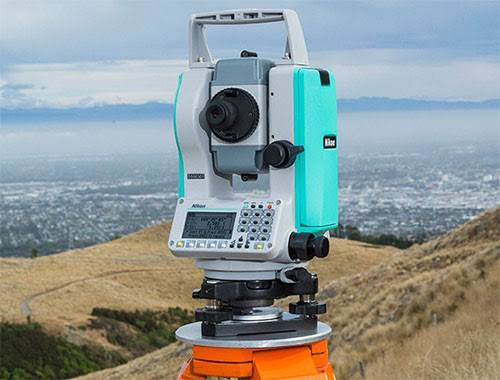
This is where total stations continue to have an important role. While drones can provide an impressive overview, surveyors still need reliable ground-based measurements for setting out, checking positions and validating digital models. A Nikon total station can therefore sit alongside drones, GNSS receivers and modern software rather than being replaced by them.

For survey teams working across the UK, this combined approach is becoming increasingly relevant. With pressure to complete projects efficiently, reduce rework and make better use of digital information, the future of surveying may not be about choosing between old and new technology. It may be about making the technologies work together.

Drones Have Changed the Surveying Conversation

A drone can cover a large area quickly. This makes it particularly useful for construction sites, quarries, road projects, agricultural land and large-scale development.

Instead of sending a surveyor across an entire site simply to understand its current condition, a drone can collect hundreds or thousands of images. Those images can then be processed into orthomosaics, point clouds and three-dimensional models.

For UK construction companies facing demanding schedules, this can save valuable time. A site manager can obtain a visual record of progress without waiting for a conventional site inspection to cover every corner.

However, there is an important limitation. Aerial imagery tells you what a site looks like, but it does not automatically answer every question about precise coordinates, elevations or construction tolerances.

That distinction is why ground-based instruments remain relevant.

Why Total Stations Still Matter

A total station combines several measurement functions into one surveying instrument. It can measure angles and distances and help surveyors determine precise positions on the ground.

Consider a building project. A drone may produce an excellent three-dimensional representation of the site, but the construction team may still need to establish the exact position of a column, wall, foundation or drainage feature.

This is where a total station becomes particularly useful.

Nikon has a long history in optical measurement technology, and Nikon total stations can serve as an example of how established surveying equipment can fit into a modern digital workflow. The instrument does not have to compete with a drone. Instead, it can provide the highly controlled ground measurements needed to check and complement aerial information.

The result is a workflow in which each technology does what it does best.

From the Sky to the Ground

Imagine a large infrastructure project somewhere in the UK. A drone begins by surveying the wider site, collecting imagery that can be converted into a digital surface model.

The survey team can then identify areas that require closer inspection. Instead of measuring every point manually, surveyors can use the aerial data to focus their ground-based work where precision matters most.

A total station can subsequently be used to establish control points, verify critical locations and support setting-out activities.

This creates a useful division of labour. The drone provides speed and coverage, while the total station provides controlled, precise measurements at ground level.

For busy UK projects, this combination can be more practical than treating either technology as a complete replacement for the other.

Battery Reliability Is Part of the Workflow

There is another factor that is easy to overlook: power.

Modern surveying equipment may contain advanced optics, electronic measurement systems, wireless communication functions and digital interfaces. None of these features is particularly useful if the instrument runs out of power halfway through a demanding site operation.

This makes battery management an important part of professional fieldwork. Survey teams often work outdoors for long periods, sometimes in changing weather and away from convenient charging points.

Having suitable Nikon Batteries available can therefore make a difference to daily planning. A spare battery can reduce unnecessary interruptions, particularly when a team is moving between different areas of a large site.

For companies managing several instruments, maintaining an organised stock of Nikon Batteries can also help avoid a surprisingly simple problem: having the equipment ready but not having enough usable power to keep it operating.

British Weather Makes Preparation Essential

Surveying in Britain comes with a familiar challenge: the weather rarely follows the schedule.

A project might begin under clear skies and finish in rain, wind or low temperatures. Conditions can change quickly, particularly on exposed construction sites and rural infrastructure projects.

Surveyors therefore need to think beyond the specifications of individual instruments. Batteries, protective cases, charging equipment and backup equipment all form part of a practical field kit.

This is another reason why Nikon Batteries can be considered within the wider surveying workflow rather than simply as an accessory. Reliable power supports continuity, and continuity matters when a team has limited access to the site or a narrow window for completing measurements.

Good preparation can prevent a small power issue from becoming a much larger scheduling problem.

The Rise of BIM and Digital Construction

Britain’s construction sector is becoming increasingly dependent on digital information. Building Information Modelling, cloud-based project management and three-dimensional site data are changing how teams plan and monitor projects.

The challenge is ensuring that digital models accurately reflect physical reality.

A drone can contribute large quantities of visual and spatial data. GNSS technology can provide positioning information. A total station can deliver precise measurements at selected locations.

Together, these technologies can create a stronger feedback loop between the digital model and the real construction site.

For example, if a contractor needs to verify whether a structural element has been installed in the correct position, ground-based measurement can provide a direct check. If discrepancies are found early, the project team may be able to address them before they lead to costly rework.

This is where surveying technology becomes more than a measurement tool. It becomes part of the information infrastructure of a construction project.

AI Could Make the Data Even More Useful

Artificial intelligence is increasingly being discussed across Britain’s technology and construction sectors. In surveying, one of the most interesting opportunities is not necessarily replacing surveyors, but helping them process large volumes of information more efficiently.

A drone can generate enormous datasets. Automated software can identify patterns, classify objects and compare different site surveys.

But better data processing does not remove the need for reliable data collection.

If the original measurements are inaccurate or poorly controlled, sophisticated software cannot magically turn them into dependable information. Ground-based instruments therefore remain important for establishing and checking the quality of spatial data.

In this environment, a Nikon total station can represent the measurement layer that supports a broader digital ecosystem. The future surveyor may spend less time collecting routine information manually and more time managing, checking and interpreting data from several connected technologies.

Infrastructure Projects Need Multiple Technologies

The UK’s transport and infrastructure landscape provides an obvious example of why this matters.

Railway upgrades, road improvements, utilities, housing developments and urban regeneration projects can cover large and complicated areas. Different parts of the same project may require different surveying techniques.

A drone can quickly capture progress across a construction corridor. GNSS equipment can help establish positioning over open areas. A total station can be used where highly controlled measurements are required, especially around structures or locations where satellite signals may be less dependable.

This multi-technology approach can also improve communication between different teams. Engineers, surveyors, contractors and project managers can work from a shared digital representation of the site while still having access to precise field measurements.

The key is not to ask which technology is the newest. The better question is which combination produces the most useful result.

Battery Planning Becomes More Important as Equipment Gets Smarter

As surveying instruments become more connected, power requirements and operational planning deserve greater attention.

Wireless data transfer, electronic displays and additional onboard functions can all affect how long equipment can operate in the field. Survey teams working on extensive sites may therefore need to plan charging and battery changes alongside their daily measurement schedule.

Keeping several Nikon Batteries properly maintained can be a straightforward way to improve operational resilience. It also allows teams to rotate batteries instead of stopping work whenever one reaches a low charge.

For contractors, this is a small operational detail with potentially significant consequences. A few minutes spent changing a battery is manageable; losing a critical measurement window because equipment cannot operate is much less convenient.

The Surveyor Is Still at the Centre

Despite the rapid development of drones, AI and automated mapping, surveying remains a profession that depends on judgement.

A drone can collect imagery. Software can create a point cloud. A total station can measure an exact location. But someone still needs to decide what should be measured, whether the data makes sense and how the results should influence the project.

This human element is particularly important when working in complex urban environments or on infrastructure projects where tolerances are tight.

Technology can make a surveyor faster and better informed, but it does not eliminate professional responsibility.

What the Future Surveying Workflow Could Look Like

The surveying workflow of the future is unlikely to be entirely aerial or entirely ground-based.

A typical project could begin with drone imagery to understand the wider site. Digital processing could then create a detailed model. GNSS and total stations could establish and verify control points, while targeted measurements could confirm critical construction features.

AI-assisted software could help compare new data with previous surveys and highlight potential differences. Surveyors could then investigate those areas and provide verified information to engineers and contractors.

In such a system, the total station is not an outdated piece of equipment sitting beside futuristic technology. It is one component of an integrated measurement network.

Nikon provides a useful example of this transition. Its surveying equipment demonstrates how established precision measurement principles can remain relevant even as the surrounding workflow becomes increasingly digital.

A Smarter Future Is About Integration

The biggest lesson from the rise of drone surveying is perhaps surprisingly simple: seeing more does not necessarily mean measuring better.

Drones offer speed, scale and a valuable aerial perspective. Total stations offer controlled ground-based measurement and precise positioning. GNSS, cloud platforms, BIM and AI add further layers of capability.

When these technologies are integrated intelligently, UK survey teams can potentially collect information faster while maintaining the level of accuracy required for demanding projects.

And beneath all the discussion about artificial intelligence and autonomous surveying, practical details still matter. Equipment needs to be available, prepared and powered when the survey team needs it. For users of compatible Nikon equipment, keeping dependable Nikon Batteries ready for fieldwork can be just as important as having the latest software.

The future of surveying is therefore unlikely to belong exclusively to drones or robots. It will belong to workflows that combine aerial vision, ground-level precision and human expertise. Drones may show us the whole picture from above, but on Britain’s construction sites, someone still needs to measure what is happening on the ground.