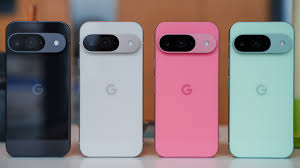
As of January 2026, users of flagship devices like iPhone 16 Pro, Samsung Galaxy S25, and Google Pixel 9 have noticed a common pattern: charging speed dramatically slows after 80-90%. This isn’t a bug—it’s a deliberate engineering decision rooted in battery science, safety, and longevity.
Lithium-Ion Batteries Can’t Rush at Full Capacity
Modern smartphones from Apple, Samsung, OnePlus, and Xiaomi use lithium-ion batteries where ions shuttle between electrodes during charging. When the battery exceeds 80%, the anode can’t absorb ions as quickly—like cramming passengers into a nearly full elevator. Forcing more current risks forming lithium dendrites, needle-like metal growths that can cause shorts, overheating, or fires. To prevent this, devices automatically reduce current through “trickle charging,” protecting battery integrity.
Battery Management Systems Prioritize Longevity
Every modern device—from MacBooks and Dell XPS laptops to iPad Pro and Microsoft Surface tablets—features a Battery Management System (BMS) that monitors voltage, temperature, and current in real time. Research confirms that maintaining batteries between 20-80% extends lifespan by 2-3 times compared to daily 0-100% cycles. That’s why flagship devices use adaptive charging algorithms: rapid charging to ~80%, then dramatically slower speeds for the remaining stretch. Features like Apple’s Optimized Battery Charging and Samsung’s Adaptive Charging even pause overnight charging, completing the final top-off just before your alarm.
Heat Management and Safety
Fast charging generates significant heat. When a OnePlus 13 or Google Pixel charges at 100W initially, internal resistance converts excess energy into heat. Temperatures above 40°C accelerate electrolyte breakdown and permanent capacity loss. By slowing the final 10%—dropping from 100W to perhaps 15W—devices reduce heat generation by up to 85%. This thermal control also prevents overcharging, which could cause battery swelling or thermal runaway in extreme cases.
The 2026 Verdict
The slow final stretch isn’t a gimmick—it’s a carefully engineered trade-off protecting your device’s health, safety, and longevity. While some phones offer bypass options for emergencies, that patient final trickle remains the unsung hero keeping your battery healthy for years to come.