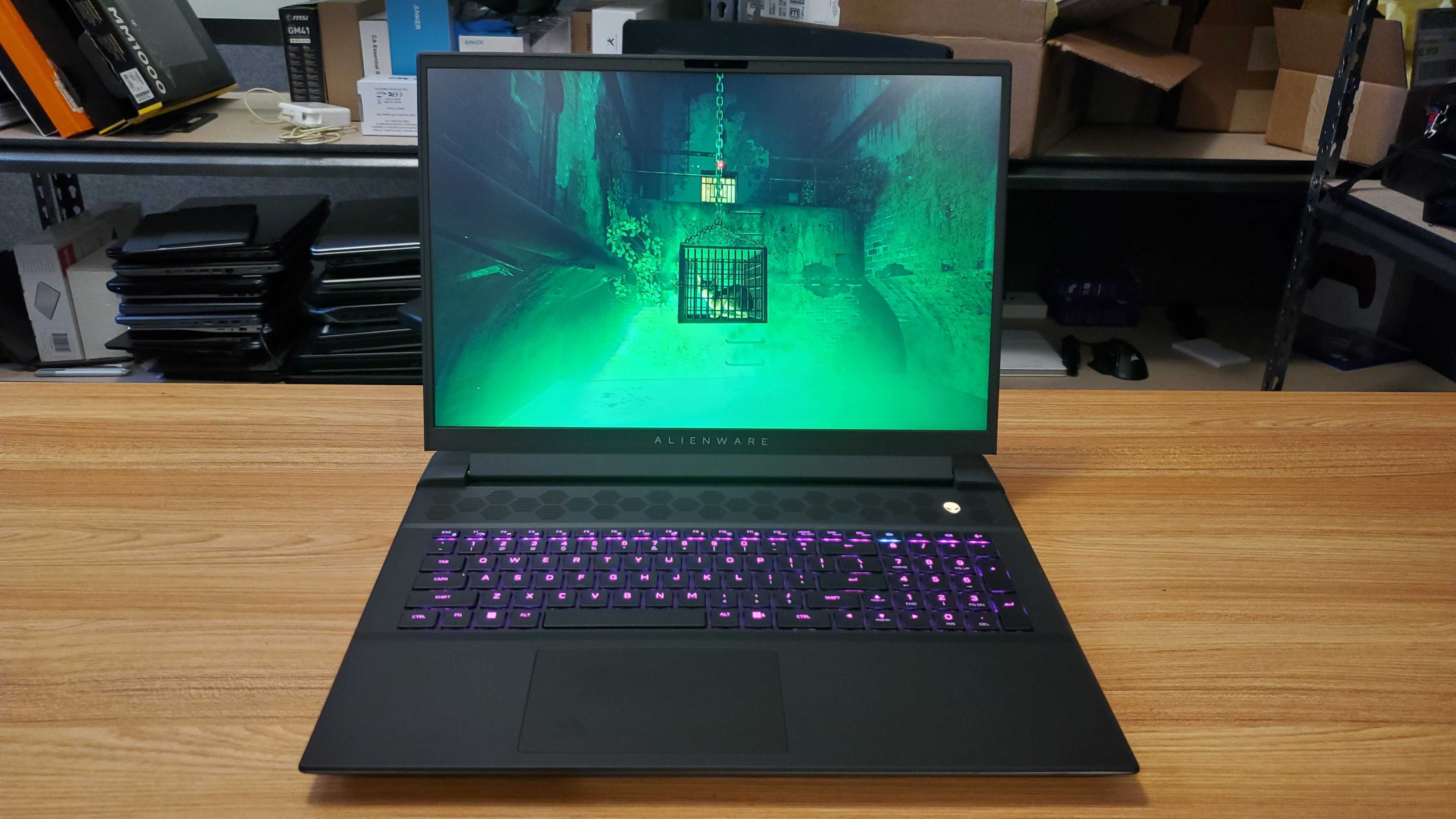
We special in laptop battery ,laptop adapters for most of top brands, such as apple,acer, asus, dell, fujitsu,hp, compaq, ibm, lenovo, toshiba, samsung, sony on UK,all the ac power adapters, laptop batteries are high quality and low price.
The new label highlights energy efficiency, durability, repairability, and battery life.Image: European CommissionTablets are also covered by the scheme, which takes effect in June.
The European Union has announced details of new mandatory labels for smartphones and tablets sold in the bloc, which include ratings for energy efficiency, durability, and repairability. Hardware will also have to meet new “ecodesign requirements” to be sold in the EU, including a requirement to make spare parts available for repair.
The labels, which will be required for any devices that go on sale from June 20th onwards, are similar to existing ones for home appliances and TVs. They display the product’s energy efficiency rating, on a scale from A to G, along with battery life, the number of charge cycles the battery is rated for, letter grades for durability and repairability, and any applicable IP rating for protection from dust and water.
The new labels include plenty of information on a product’s eco credentials.Screenshot: European Commission
Alongside the labels the EU is introducing “ecodesign requirements” imposing minimum standards on the same products. Those include protection from splashes of water (and dust particles larger than 1mm for phones), scratch and drop protection, batteries that retain at least 80 percent of their capacity after 800 charging cycles, and making “critical spare parts” available within 5-10 working days. Manufacturers are also required to provide operating system updates within six months of the source code becoming available — a bar that Samsung would have failed to meet with its recentOne UI 7 rollout.
Covered products include smartphones and tablets with screens up to 17.4 inches, along with cordless landline phones and feature phones. Phones with rollable displays are exempted — not that any are on sale yet,though they’re coming— while Windows-based tablets will be covered by aseparate scheme for computers.
It’s a serious issue with a variety of device symptoms.
What you need to know
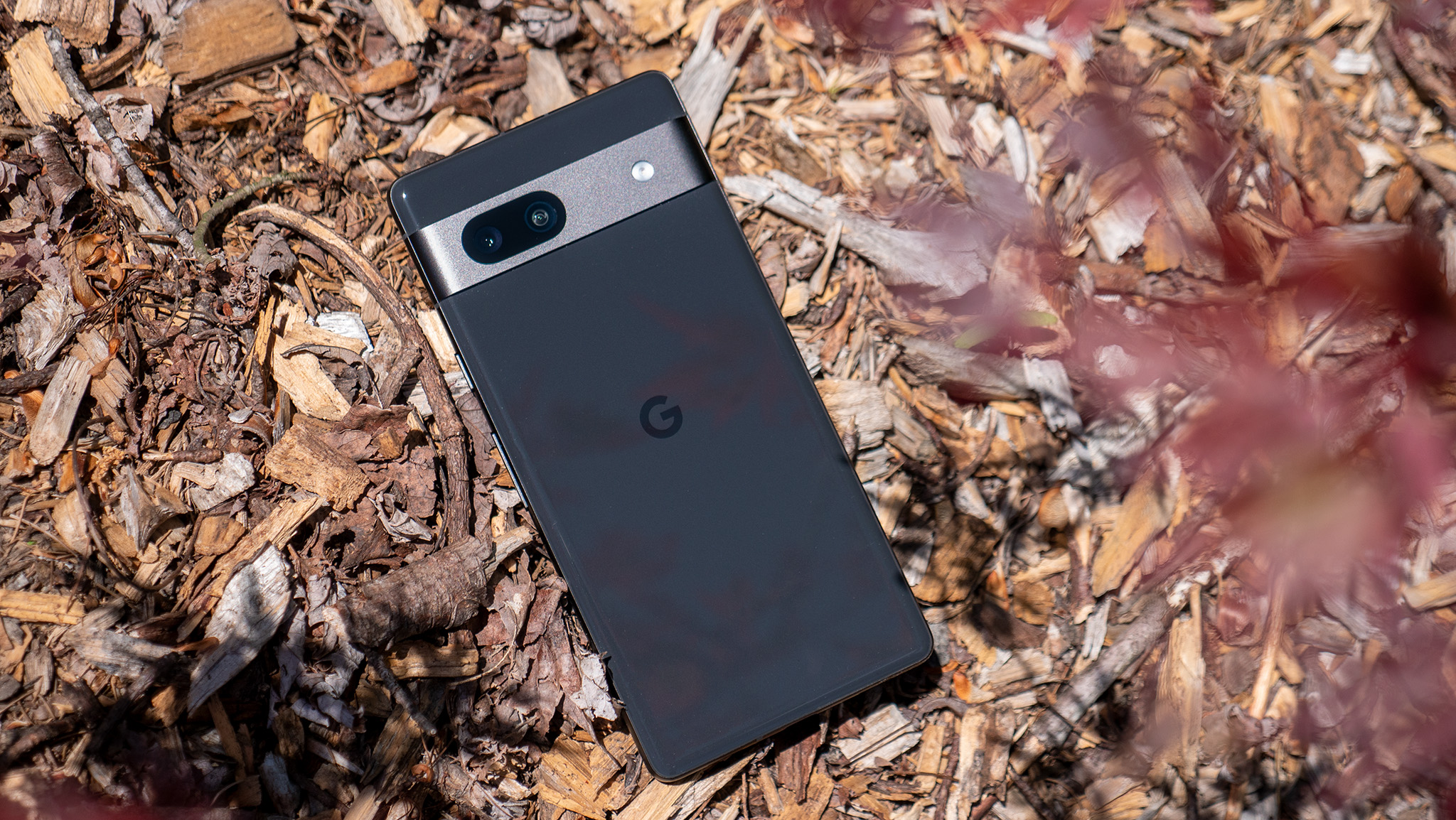
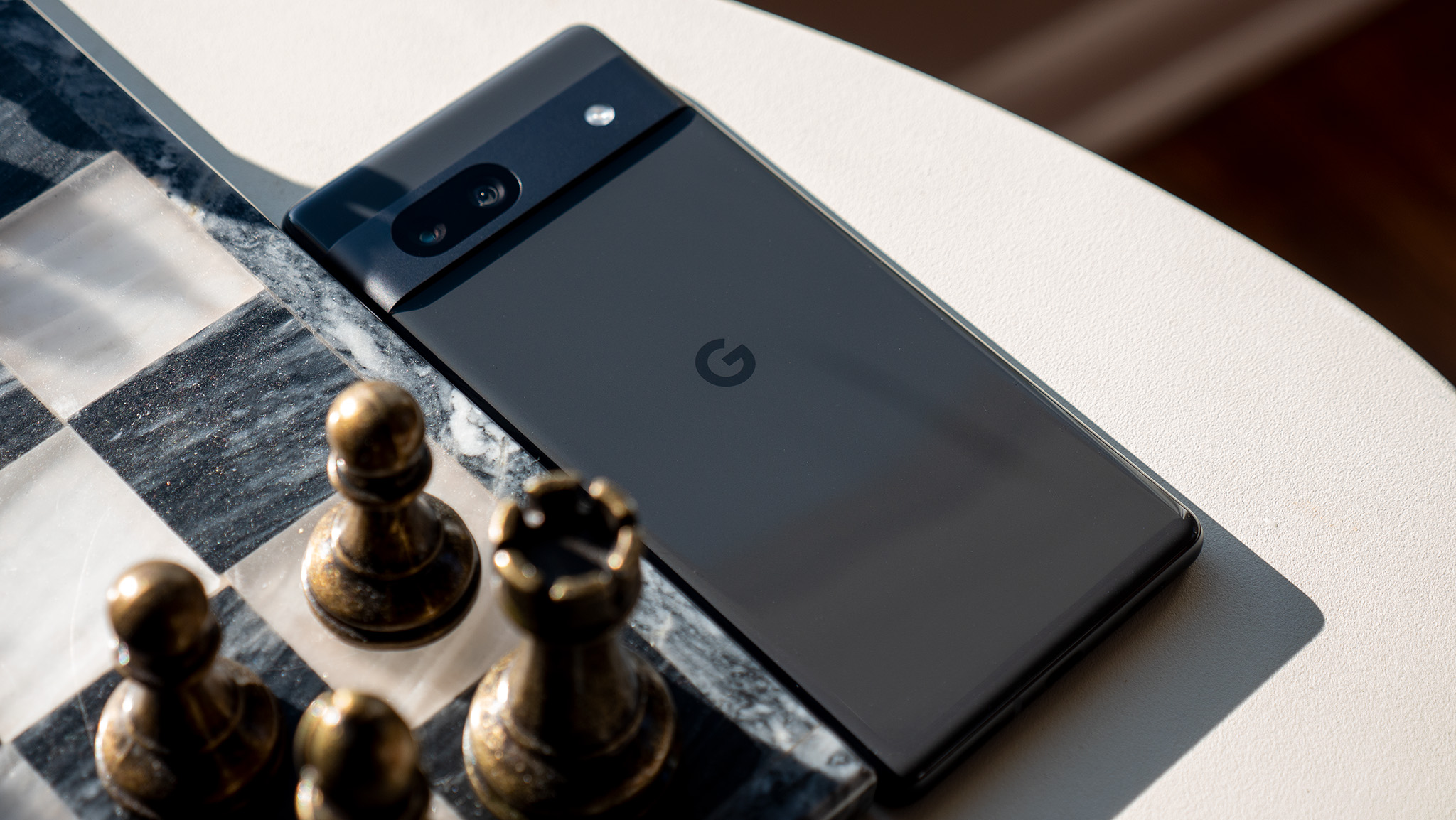
Google has kickstarted an Extended Repair Program for users with a Pixel 7a.
This comes off the back of it identifying issues of “battery swelling,” which could lead to a bulging rear panel and quicker than normal battery drain.
If users have an impacted device, they must run through the checks to see if they’re eligible to see their next steps.
Google’s had to run similar programs for the Pixel 8 and Pixel 4 XL, as well as a few Fitbit devices earlier this year.
Google has reportedly identified a problematic battery issue plaguing the Pixel 7a and is detailing your next steps if affected.
The company published a support document for the Pixel 7a’sExtended Repair Program, which concerns a “battery swelling” issue (via9to5Google). User reports may have tipped Google off about this issue. The company states it has “determined that certain Pixel 7a phones may experience unexpected battery swelling.” Battery swelling is a serious issue that consumers shoulddeal with accordinglyshould their device shows signs of it.
Google states you can identify instances of battery swelling if the back of your phone is bulging/appears thicker than usual. Moreover, you’ll notice small gaps around the edge of your phone, indicating the battery is pressing against and lifting its back panel.
Once you’ve checked to seeif your Pixel 7a is eligible, Google says impacted devices can receive “one battery replacement at no charge” through its battery replacement program. Additionally, Google will conduct a thorough inspection of the device to ensure you can receive this treatment. Keep in mind that if your battery displays any sign of liquid damage, sharp object exposure, or “excessive force,” that may void your eligibility for a free replacement through the program.
Once you’ve gone through the checks, Google says users should find mail-in and walk-in repair center options. Those in the U.S. and India will find both options available; however, others in Canada, the United Kingdom, Germany, Japan, and Singapore will only have the repair center choice available.
Also, these countries, excluding the U.S. and India, will finda few appeasement optionsfor their Pixel 7a troubles. Such options include a $200 payment (converted to a user’s local currency).
Google has a history of running repair programs for its Pixel phones,like the Pixel 8in 2024. Users reported screen issues for a few months, prompting the company to take action and solve the issues: vertical lines and randomly turning green. If consumers had an “Impacted Device,” Google was granting a three-year extended warranty to cover users. If we’re talking battery-specific issues, Google’sPixel 4 XL suffered power-related problems, but Fitbit devices had issues recently, too.
Users may remember from January when Fitbit drew awareness about overheating issues with the Sense and Versa 3. Google delivered an official statement about the problem, stating it “poses a potential risk for users and requires an immediate firmware update.”
What is FreeSync, why do you need it, and how to use it for a better gaming experience
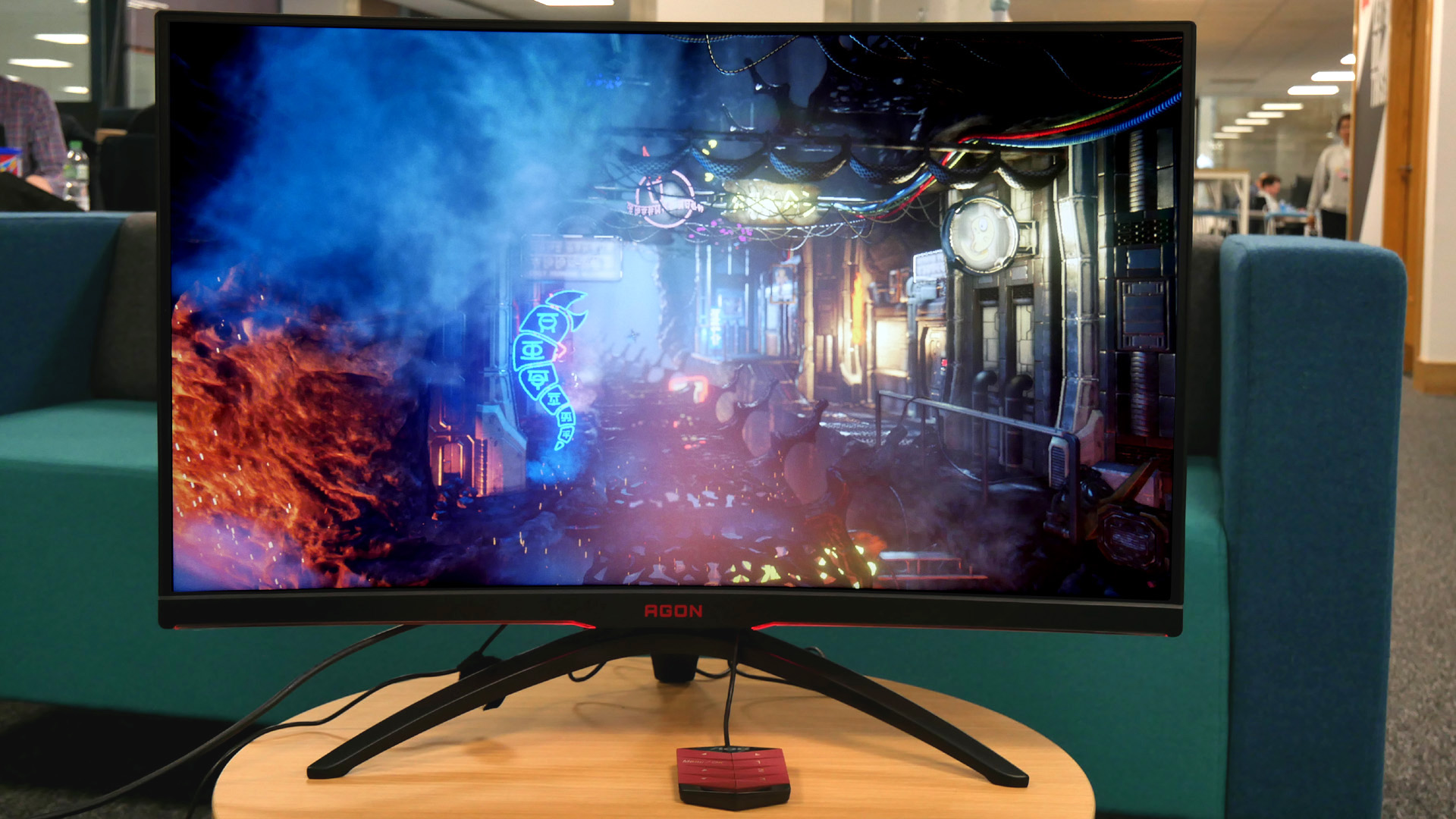
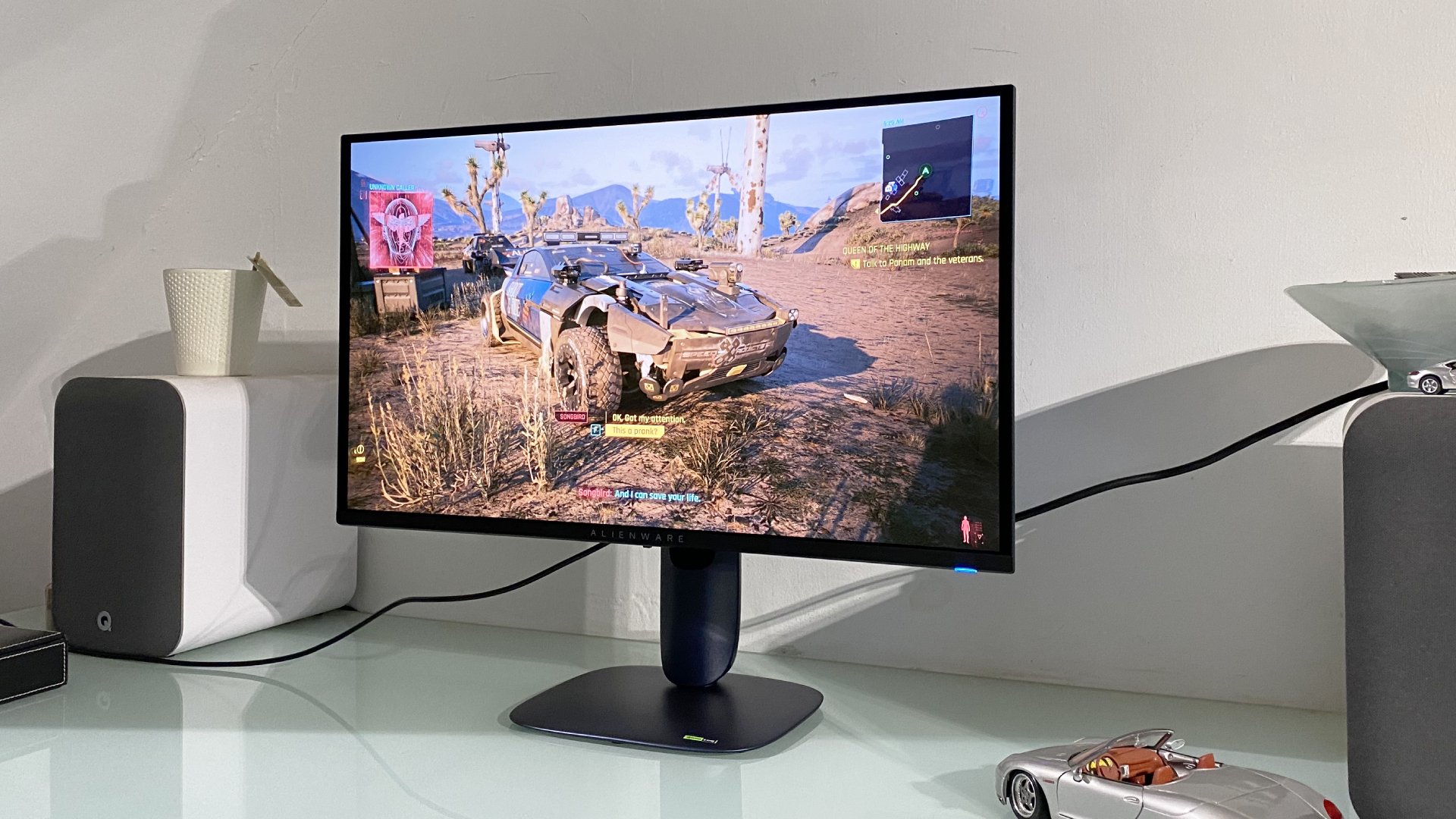
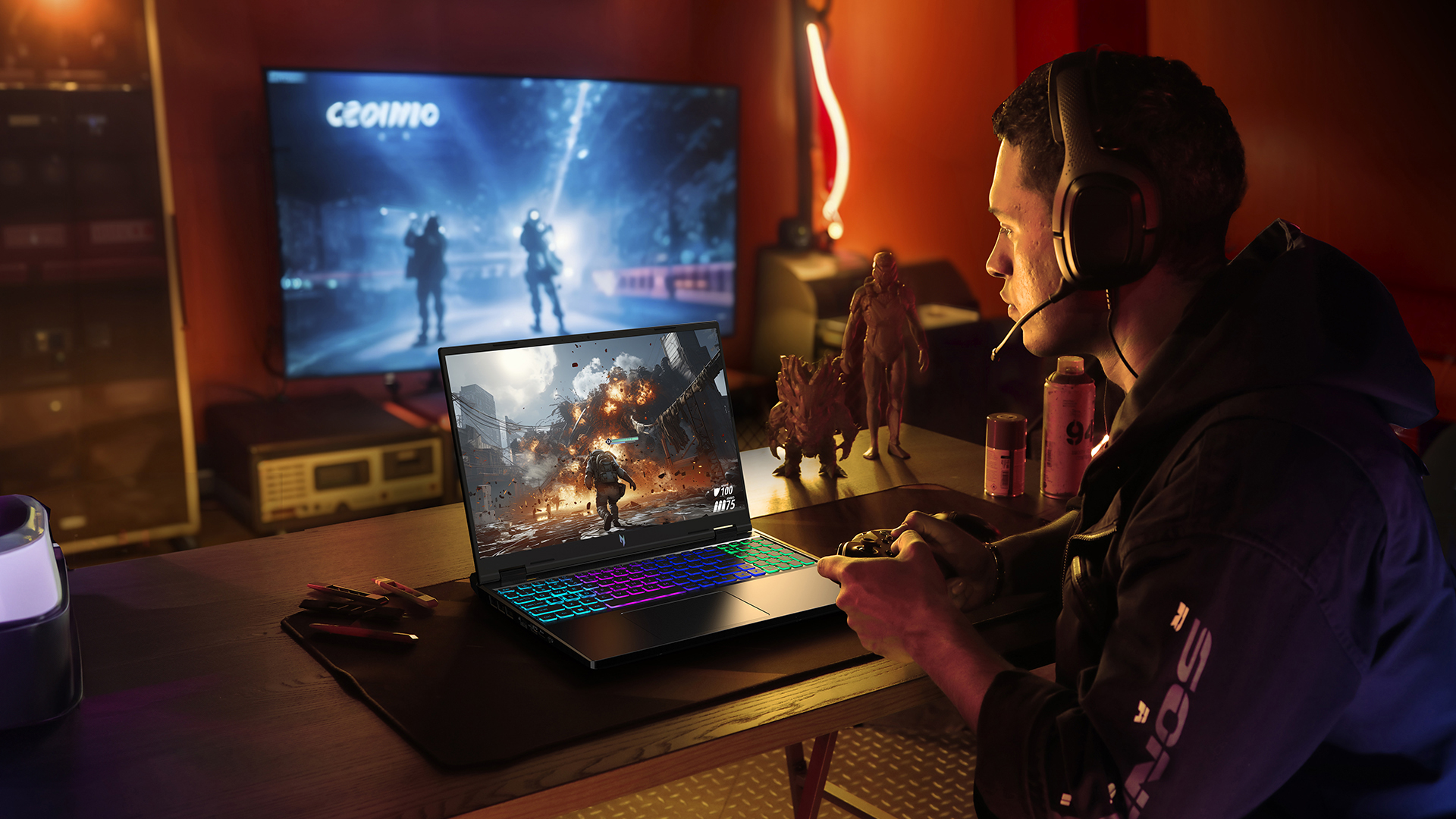
If you’re shopping for one of thebest gaming monitorson the market, at some point you’ll have asked yourself, ‘What is FreeSync?’ as you’ve shopped around for a new display.
This increasingly common feature on many of the latest monitors isn’t really well explained on product packages, but it’s a vital monitor function that pairs with thebest graphics cardson the market to provide a better gaming experience.
The short answer is that FreeSync is chipmakerAMD’s answer to screen tearing, which makes it every gamer’s best friend.
What exactlyisscreen tearing? It’s a common phenomenon that happens when your monitor’s refresh rate and your GPU’s frame rate don’t match. This can cause different frames to appear on your display at the same time, breaking up in-game elements and creating a very distracting effect. Annoying as it is, it can happen even on thebest monitors.
AMD FreeSync aims to fix the problem by syncing your display’s refresh rate with the frame rate of your GPU. The goal is to achieve smooth, tear-free visuals without any wonky elements or annoying screen tearing.
AMD FreeSync is a variable refresh rate (VRR) technology built into monitors that helps keep your computer and your display in sync.
It lets your graphics card or integrated GPU control your monitor’s refresh rate, allowing the GPU to adjust the refresh rate of the monitor to match the frame rate output by your GPU.
How does FreeSync work?
If your GPU and your monitor’s refresh rate aren’t in sync, two kinds of problems can occur, and FreeSync works to address both.
Firstly, if your GPU puts out more frames than your monitor’s refresh rate can handle (which can often happen if you own a high-end GPU like one of thebest 4K graphics cards), you might run into screen tearing where the monitor displays parts of multiple frames at once due to the GPU outputting frames faster than the monitor can refresh the onscreen image.
Conversely, if you have an outstanding display, like one of thebest high-refresh rate monitors,your GPU might not be powerful enough to deliver the full frame saturation your monitor is capable of. This can lead to your monitor refreshing the screen during the frame update process after a new frame reaches the monitor from the GPU.
Without a VRR solution like FreeSync, this mismatch can result in stuttering, screen tearing, and other visual unpleasantness, as frames arrive out of sync with your monitor’s refresh cycle.
This isn’t the only benefit, however. When your display and GPU are in sync, FreeSync also reduces input latency, making sure your display reacts to your clicks and button presses as quickly and smoothly as possible.
To get your GPU and monitor to work in sync, many monitors use FreeSync to help manage the coordination between the two. When FreeSync is enabled and you’re running compatible hardware, your monitor will scale its refresh rate up or down to match your GPU’s frame rate, eliminating the visual artifacts that come with unsynced frames.
When your game’s frame rate drops particularly low, it can dip under your monitor’s FreeSync range—in this case, your monitor will refresh even though the GPU doesn’t have the next frame ready yet. FreeSync’s low frame rate compensation (LFC) feature combats this by duplicating frames and displaying them multiple times, so your gameplay still appears smooth during FPS drops.
If you want to use FreeSync, you’ll need a compatible display and a compatible graphics card or processor with integrated graphics. The good news is, there are thousands of certified displays available, including about 4,000 monitors and about 1,500 TVs,according to AMD.
On the GPU side, all of thebest AMD graphics cardslaunched since 2013 are FreeSync compatible, along with products usingGCN 2.0 architectureor later. Xbox One X and Xbox One S players can use it too, while PCs and laptops with integrated Radeon graphics built into their Ryzen processor can use FreeSync if their device has a FreeSync display or DisplayPort or HDMI output to a compatible external monitor.
Even some non-AMD cards can take advantage of FreeSync, like Nvidia GeForce 10 series cards and newer, but for Nvidia cards, you will almost always be better off using aG-Sync monitorinstead.
Make sure to read up on the differentNvidia G-Sync vs AMD FreeSynctechnologies if you have an Nvidia GPU and are shopping for a new monitor, since Nvidia doesn’t guarantee that every FreeSync monitor will be G-Sync compatible.
There are alsocertified laptop models with AMD graphics that have FreeSync built right into the display. If your laptop doesn’t have a FreeSync-compatible display, you can still access the technology on any laptop with AMD Radeon RX 500 series or newer graphics, or AMD Ryzen processors with integrated graphics, by connecting it to a compatible external display through a DisplayPort or HDMI cable.
There are currently three different FreeSync tiers, and every certified display falls into one of these tiers.
The original FreeSync includes support for tear-free gameplay with a maximum refresh rate of at least 144Hz for resolutions under 3440 pixels. LFC (Low-framerate compensation, where your GPU’s frame rate drops below the refresh rate of the monitor, and so the monitor needs to fill in the missing frames with duplicates) is possible, but not guaranteed.
The next tier, FreeSync Premium, requires a maximum refresh rate of at least 200Hz on displays with a horizontal resolution under 3440 pixels. For displays with a higher horizontal resolution, like thebest 4K monitors, the minimum refresh rate is 120Hz. Support for LFC is required for a monitor to qualify for this tier.
The final tier, FreeSync Premium Pro, keeps the same refresh rates as Premium but adds support for AMD FreeSync HDR. This differs from conventional HDR because data is shared between the display and your PC more efficiently, reducing the usual input latency that can come with HDR. It also has higher baseline requirements than HDR 400, guaranteeing a higher quality result.
To benefit from FreeSync HDR, however, you need to be playing a supported game as well as using a compatible display.
How do you enable FreeSync?
Once you have your FreeSync-compatible PC or laptop set up with a certified display, you’ll need todownload the latest AMD graphics driver from the AMD websiteor by usingAMD Software: Adrenalin Edition. Check out our ‘How to update AMD GPU drivers’page for more specific instructions, if needed.
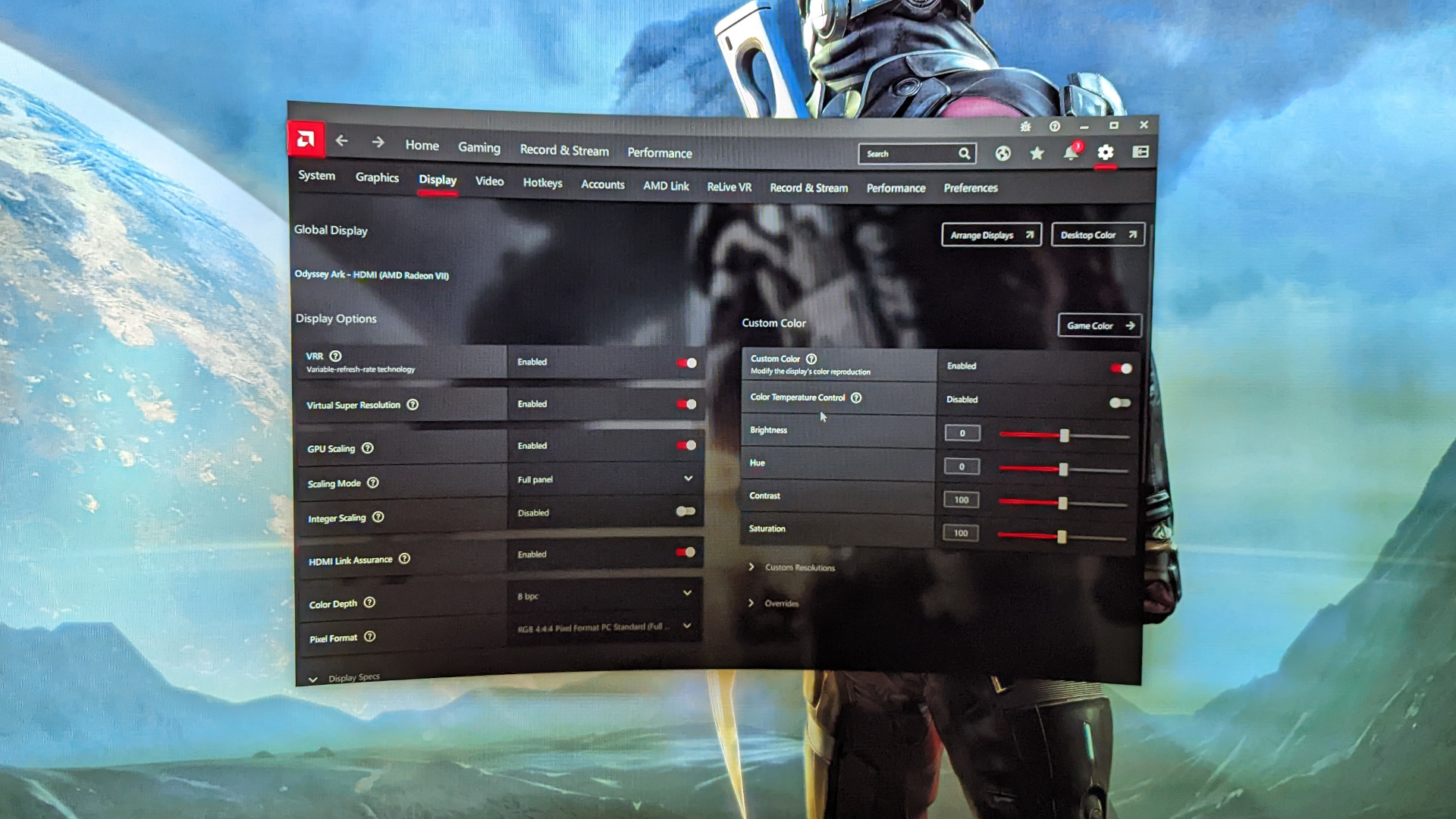
Once your drivers are updated, you can then open AMD’s Adrenaline software tool, select Display, and activate the Radeon FreeSync toggle to turn FreeSync on.
What’s the difference between FreeSync and Nvidia G-Sync?
Nvidia’s G-Sync technology does the same job as AMD FreeSync, but Nvidia’s version requires licensing fees and proprietary hardware.
This means G-Sync is available on fewer displays compared to FreeSync, and those displays tend to be more expensive.
The good news is that many modern Nvidia GPUs support G-Sync compatible monitors that are primarily FreeSync, so that opens up your options when choosing a new monitor.
It will not kill tracking cookies and will not roll out user boxes to opt out of them.
hapabapa via Getty Images
Google will not make any to changes to how third-party cookies work on the Chrome browser at all. Anthony Chavez, Google VP for Privacy Sandbox, has announced that the company has “made the decision to maintain [its] current approach to offering users third-party cookie choice in Chrome.” It will also “not be rolling out a new standalone prompt for third-party cookies” that would have allowed users to opt out of being tracked by advertisers. Google has made the announced a few days after a federal judge ruled that it has anillegal monopoly on online advertising.
The company originallyannouncedthat it was going to phase out third-party tracking cookies in 2022 as part of its Privacy Sandbox initiative, which aims to make the web more secure and private to use. But due to a series of delays and regulatory hurdles — the UK’s Competition and Markets Authority (CMA) and theUS Department of Justiceboth looked into Google’s initiative out of concerns that it could harm smaller advertisers — the planned deprecation got delayed to 2024 and then again to 2025.
Last year, Google ultimately decided that itwasn’t going to kill third-partycookies and will instead introduce “a new experience in Chrome that lets people make an informed choice that applies across their web browsing.” That new experience isn’t coming. In his new announcement, Chavez said that a lot has changed since the Privacy Sandbox initiative debuted, and Google has taken new developments in privacy-enhancing technologies that secure people’s browsing into consideration when it made its decision.
Despite killing all its plans to remove third-party cookies from Chrome, Google will keep the Privacy Sandbox initiative alive. Chavez said it will continue enhancing tracking protections in Chrome’s incognito mode, such as launching IP Protection later this year, and will continue working on features like Safe Browsing, Safety Check and built-in password protections.
Sadly the past console generations’ startup sounds won’t be joining them.
Sony
The PlayStation 5 is getting a software update that brings back the looks of yesteryear. After fans applauded the move to applythe appearances of past Sony generationsto their consoles’ home screens during the PlayStation 30th anniversary last year, the companysaidit was working on making those permanent aesthetic options. That promised return of the four retro UI looks is the highlight of the upcoming PS5update.
Unfortunately, the start-up audio chimes that accompanied each generation are not coming back. But the visual part can be changed at will under the Appearance tab of the Settings menu.
The other big component of the upcoming software update is a feature called Audio Focus that can help increase immersion during a play session while using headphones or headsets. With these presets, players can choose to boost the voice, the low pitch sounds, the high pitch sounds or the quiet sounds. You can also set whether the amount of amplification is weak, medium or strong.
The PS5 update will begin its global rollout on April 24.