I put the Pixel 9a and Pixel 8a through a 9-round, 100-photo camera face-off — and the results were surprising

The Pixel 9a camera is good, but not as good as I’d hoped
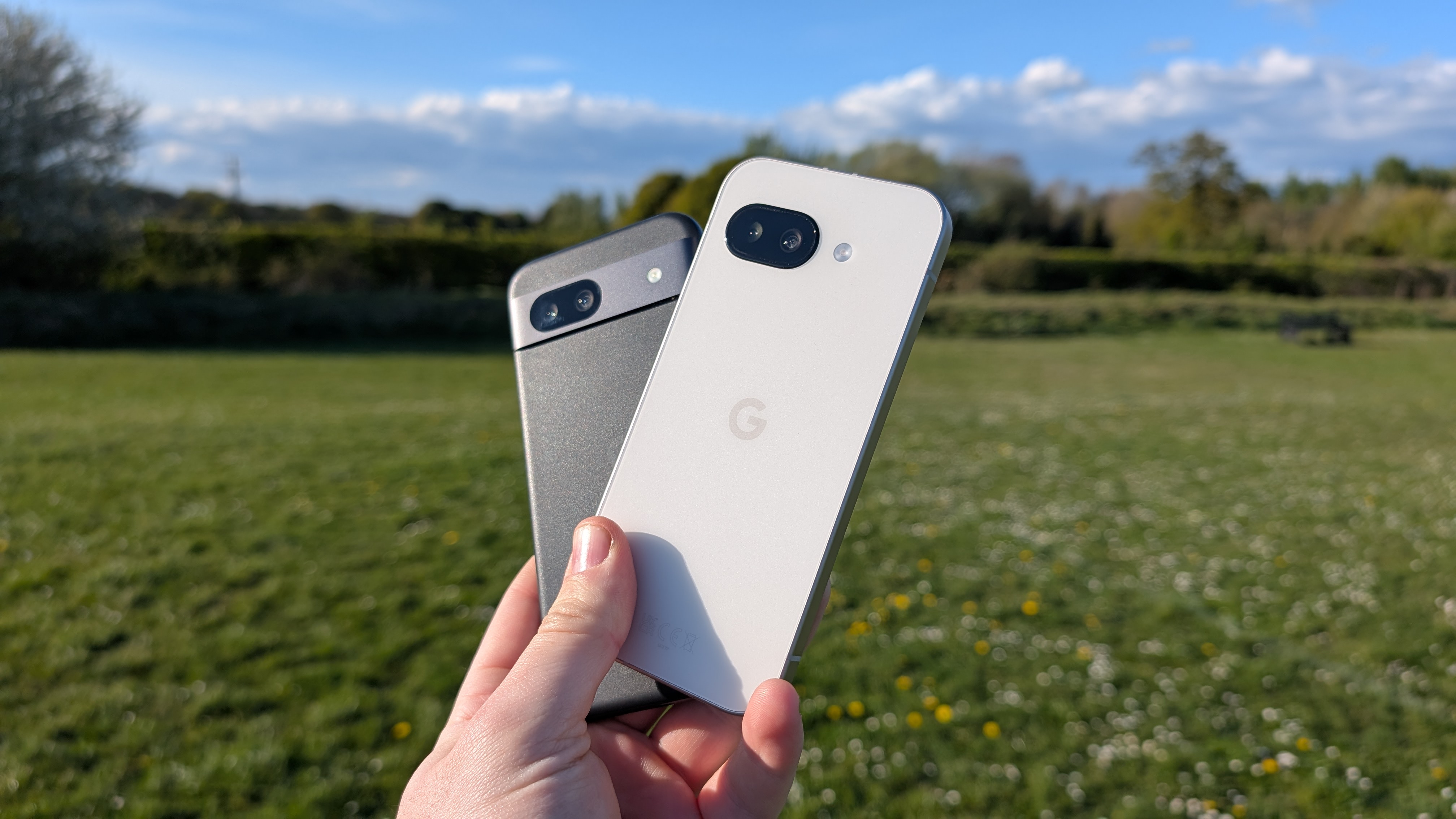
google pixel 9a and google pixel 8a in white and black side by side

TheGoogle Pixel 9ais thebest cheap phoneyou can buy right now, and comes packing an impressive camera. That’s not a huge surprise; theGoogle Pixel 8awas much the same, andGoogle’s mid-range phones often produce excellent photos for their price. The question isn’t whether the Pixel 9a’s camera is good, but rather how much better is it than its predecessor?

ThePixel 9a has a stylish new design, enhanced AI features from the Tensor G4 chipset and even faster charging. But, strangely, Google has actually downgraded the main camera this year. Rather than offering a 64MP sensor like the Pixel 8a, the Pixel 9a has a resolution of 48MP.

While there’s more to photography than extra megapixels, it’s going to be interesting to see how much of an impact this has. So to find out what’s what, we put the Pixel 8a and Pixel 9a through an extensive photo shootout covering 10 different categories.Here’s my verdict on which phone has the better camera.

Daytime

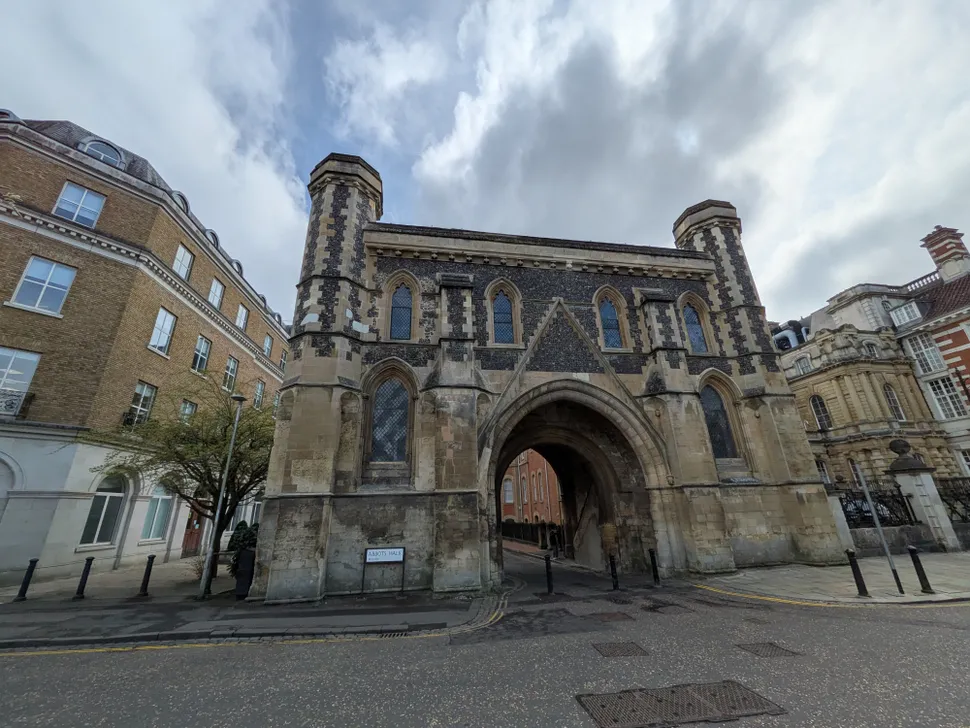
The Pixel 9a may not have as high a resolution as the Pixel 8a, but it still manages to take consistently better photos. I should caveat this by saying that the final products from each device don’t look all that different, but the Pixel 9a manages to come out on top.

While the subject in shot tends to look pretty similar, the Pixel 9a does a much better job of capturing everything around it. That means the background is clearer and much crisper, especially if there’s grass involved. The coloring was also a little bit more true to life, which is always beneficial.

It’s worth noting that the Pixel 9a did a better job of capturing the individual dust particles on myLegosets much more clearly. So if my girlfriend asks, that’s why I haven’t cleaned them in the last… well, ever.

>>>Replacement battery for Google Pixel 9 Pro Fold

Winner: Pixel 9a

Photo sequence:Pixel 9a Pixel 8a

Pixel 9a

Pixel 8a

Ultrawide

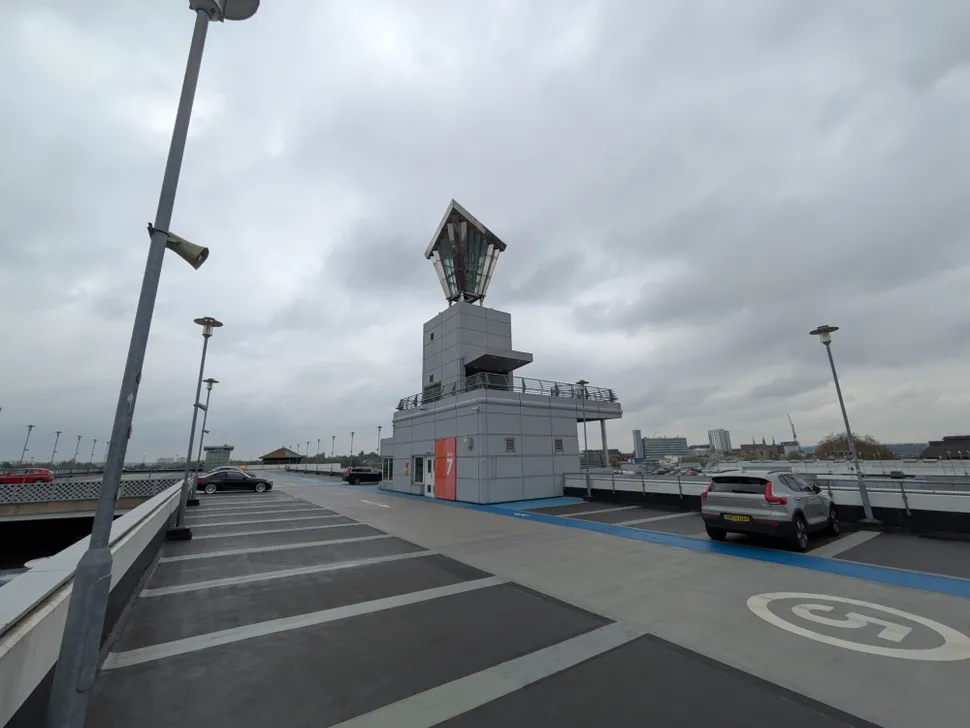
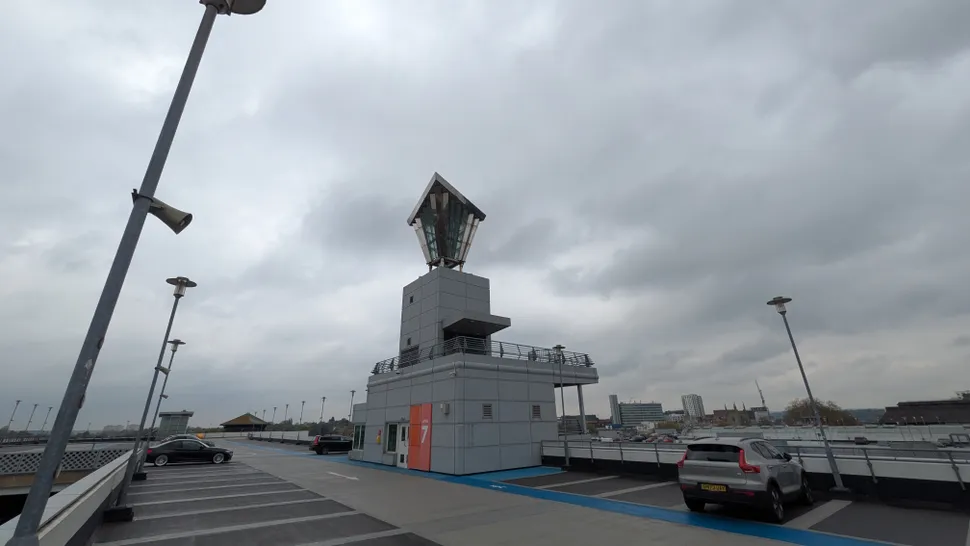
You know how people always complain that phone companies just release the same phone every year? If they were basing that assumption on the Pixel 9a’s ultrawide camera, they’d be right. Because these images are virtually identical — and the only difference seems to be a little deviation in contrast.

I’ve looked over a bunch of shots I took with the 13MP ultrawide camera, and the story is the same every single time. There is no other tangible difference between any of the comparison photos. The actual quality is so similar, that if there are any other key differences my eyes can’t make them out.

Winner: Tie

>>>Replacement battery for Google Pixel Fold

Photo sequence:Pixel 9a Pixel 8a

Pixel 9a

Pixel 8a

Color Reproduction

I’ll be totally honest here, I can’t really tell the difference between the coloring from Pixel 9a and Pixel 8a either. Once again, the only way I can actually tell them apart is because of the aspect ratio. The Pixel 8a shot in 16:9, whereas the Pixel 8a shot in 4:3.

If I didn’t know any better, I’d assume that all these phones had been taken on the same phone and cropped to size. But they weren’t, and it means that you’re not going to notice any major improvements to color reproduction on the Pixel 9a. Not that the colors are bad, of course.

Winner: Tie

>>>Replacement battery for Google Pixel Fold

Photo sequence:Pixel 9a Pixel 8a

Pixel 9a

Pixel 8a

Zoom

When it comes to zooming shots, things don’t work out quite so well in the Pixel 9a’s favor. In fact 2x magnification shots on the new phone don’t seem to be that much different from the Pixel 8a. In fact it’s quite difficult to tell the two apart.

The overall image is a little darker, and there is slightly more clarity in long-distance shots, but overall the picture is just not very good.

Pixel 8a:

Even when you push that magnification up to 8x, the maximum both phones allow, and the image quality isn’t any different. I struggled to differentiate the two phones; we’re mostly talking about variations in color, and not much else.

You’d think that the Pixel 8a would do better at long distance shots, on account of it having higher resolution. But this doesn’t seem to be the case. I suppose those are the perils of not having a telephoto lens.

Winner: Tie

Pixel 9a:

Panorama

When it comes to panorama shots, there isn’t really much debate to be had. The Pixel 9a may not take the most crystal-clear shots imaginable, but it’s immediately apparent that it’s doing a better job than the Pixel 8a. Not only are the colors more vivid, but the finer details of the phone are significantly better. Text on signs in the distance is one that particularly stands out to me.

It’s pretty similar to all the other shots. Outdoor panoramas taken on the Pixel 9a pick up a lot more detail than the Pixel 8a, which has a tendency to blur them all together. The colors are significantly more muted with last year’s model, and you can tell it struggles to pick out details in darker areas of the shot.

Winner: Pixel 9a

Photo sequence:Pixel 8a Pixel 9a

Pixel 8a

Pixel 9a

Macro

In this macro shot of a vine, I was able to get a lot closer with the Pixel 9a and pick up some of the fibers on the tip of the stem in a lot better detail than the Pixel 8a. That said, the Pixel 8a was able to capture a lot more of the vine itself, including a much sharper look at the spider-silk hanging from the leaf.

Checking some of my other photos and it’s clear that the Pixel 8a does do a great job of macro photography, despite not having a dedicated macro mode. However it seems as though the Pixel 9a is better at close-ups and capturing a sharper image of what’s in the foreground.

Winner: Pixel 9a

Photo sequence:Pixel 9a Pixel 8a 

Pixel 9a

Pixel 8a
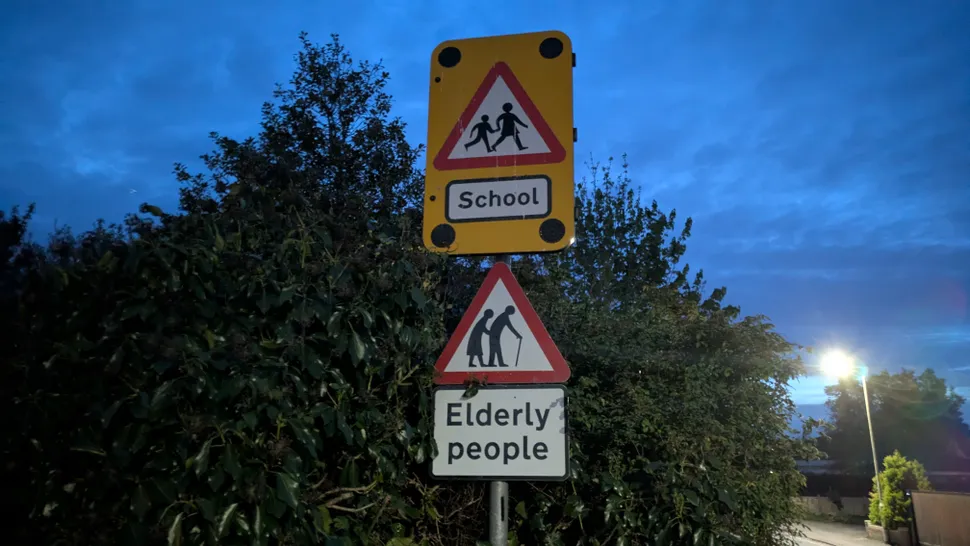
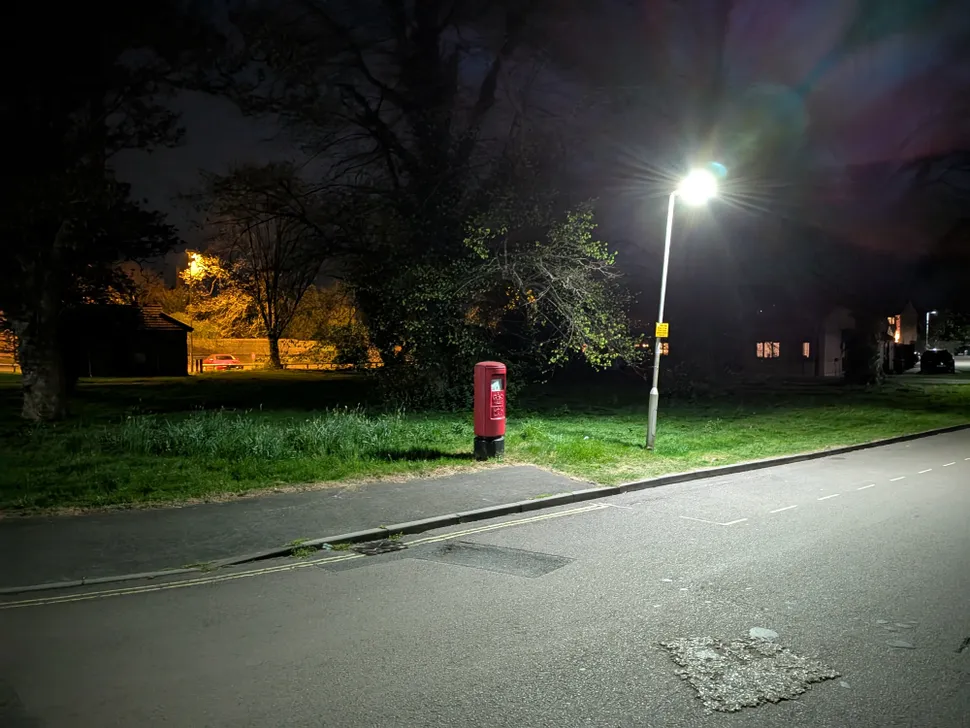
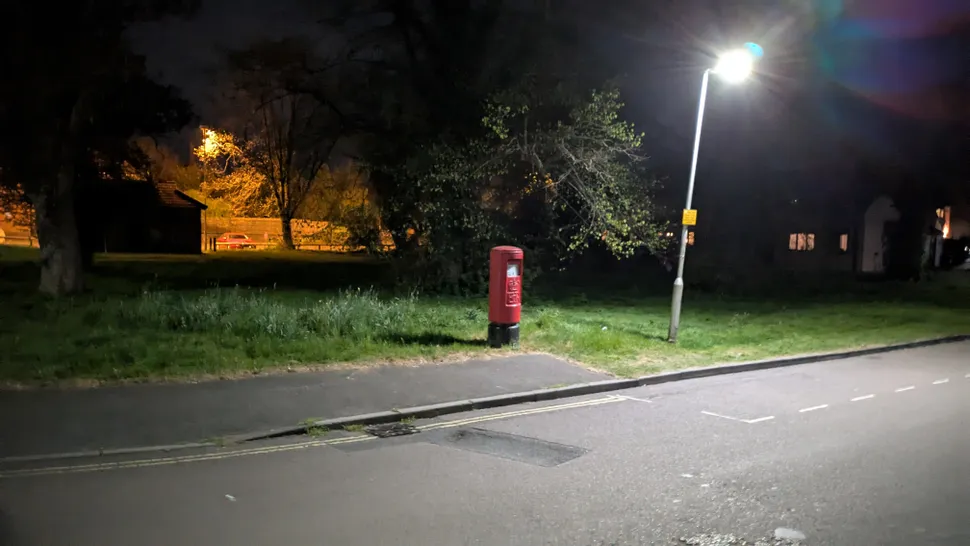
Low Light

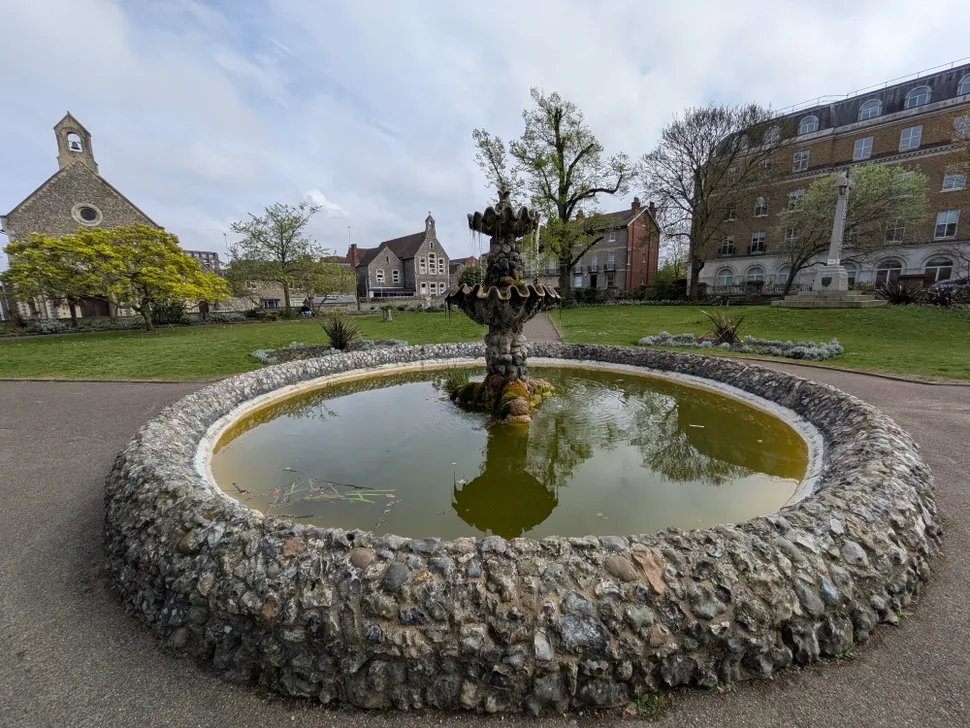
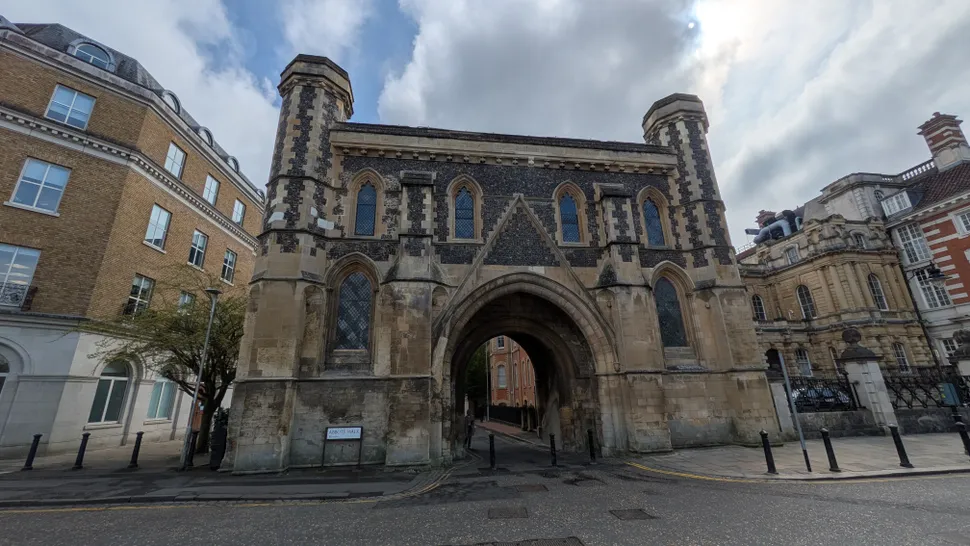
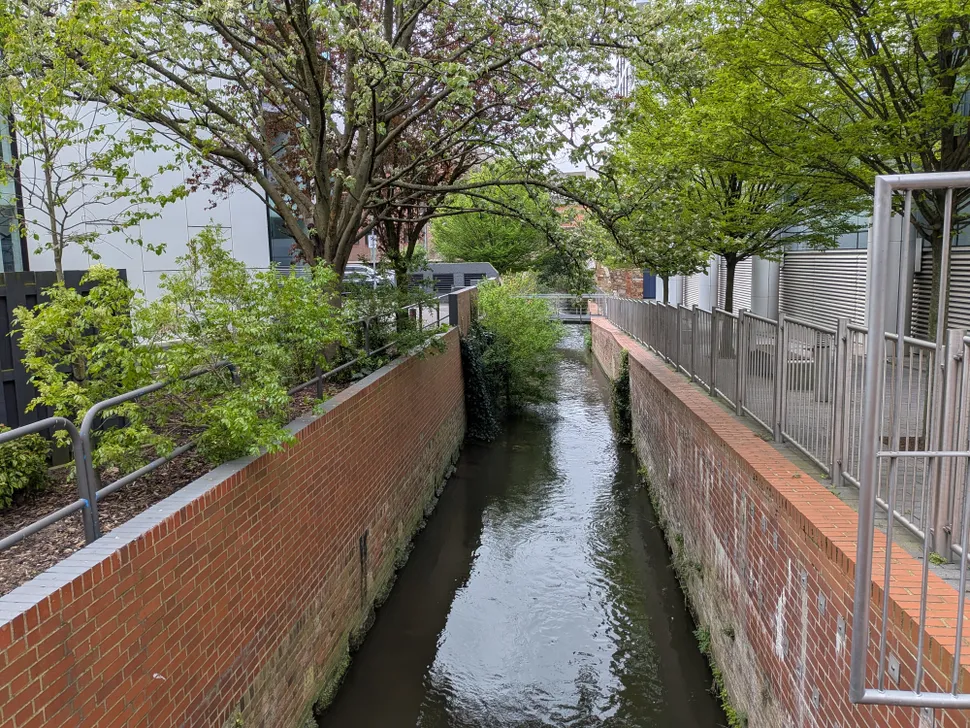
At first glance the night time shots of this church don’t look all that different from one another. There’s some extra detail in the clouds from the Pixel 9a, and a little bit more contrast in the coloring of the brickwork, but that’s about it.

Looking a little closer, the clarity just isn’t there on Pixel 9a, with the smaller details looking significantly blurred on both the church tower and the tree to the right. Sensing something wasn’t right, I went to check some of my other photos and it was a slightly different story.

I wouldn’t call the church shot a fluke, since the Pixel 9a does seem to struggle with picking up details on buildings in low light. But for the most part it does seem to offer a better picture when light is at a premium.

Winner: Pixel 9a

Photo sequence:Pixel 9a Pixel 8a 

Pixel 9a

Pixel 8a
Verdict

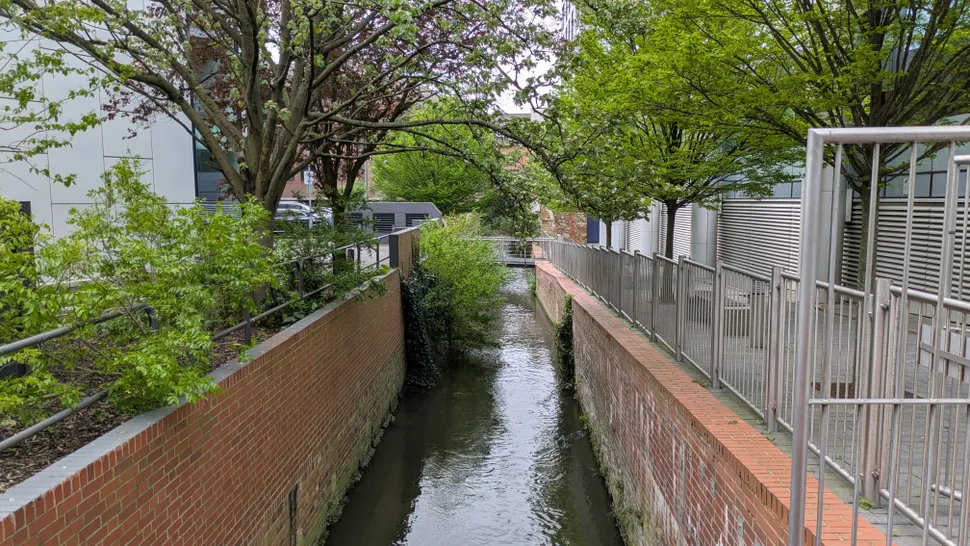
Overall it’s fair to say that the Pixel 9a does have a better camera, though it wasn’t the slam dunk a lot of people (myself included) had hoped it would be. So, while the Pixel 8a didn’t beat its successor in any single category, the fact that there were so many draws is rather telling.

Particularly since the front and ultrawide lenses seem to be producing the exact same photos on both devices.

This is not to say that the Pixel 9a has a bad set of cameras. It’s still able to produce some pretty consistently good photos, albeit with some inconsistent performance in low light conditions. That said, if you have or are interested in the Pixel 8a, then you won’t be missing out on much in the camera department.

PlayStation Plus Hit With Huge Price Increase in One Major Region

PlayStation continues to raise its prices.

playstation-plus.png

PlayStation Plus subscriptions are about to become even more expensive in one major region. Sony made waves mere days ago when it announced that it would be immediately hiking the price of the PS5 in Europe, the United Kingdom, Australia, and New Zealand. While some PlayStation fans feared that Sony could look to also push out these same price increases for the PS5 in other regions, PS Plus is instead the next aspect of the PlayStation ecosystem that’s about to become more costly.As of this week, Sony began sending out emails to PlayStation Plus members in Canada informing them that prices for the service would increase later this year on June 24th. Costs of PS Plus are set to go up for each tier of the membership, with PS Plus Essential increasing to $110 from $95. PS Plus Extra will then go to $190 rather than its current $155 price, while PS Plus Premium will hit $225 instead of $190. It’s worth noting that these values are all tied to the annual versions of PS Plus, with the monthly and three-month tiers also increasing as well.

>>>Replacement battery for Sony PSP PSP2000 PSP3000

  • Essential 12-month subscription — $110 (previously $95)
  • Extra 12-month subscription — $190 (previously $155)
  • Premium 12-month subscription — $225 (previously $190)

For now, it’s not known what this price increase for PS Plus might mean in other regions. Sony notablyraised the costfor PlayStation Plus in 2023 across all territories, much to the dismay of PlayStation users. For it to now be doing this again in Canada doesn’t bode well, as it could mean this same strategy might soon be implemented in other countries.

>>>Replacement battery for Sony PS4 Pro PS4 Slim CUH-ZCT2 CUH-ZCT2U

Perhaps the most disappointing part of PS Plus continuing to become more expensive in this manner is that Sony isn’t adding new features to the service to justify its higher cost. Instead, PS Plus primarily continues to give all users a slate of “free” games each month while also making subscriptions a requirement to play games online. Even if the operation costs at Sony to keep PS Plus up and running are becoming steeper, price increases like this one in Canada generally aren’t being well met by subscribers who already find the platform expensive to begin with.

I tested the Pixel 9a and iPhone 16e’s cameras, and the two almost tied

A person holding the Google Pixel 9a and Apple iPhone 16e.

Google Pixel 9a (left) and Apple iPhone 16e 

TheGoogle Pixel 9a’s arch rival, almost regardless of whether you are trying to decide which one to buy, is theApple iPhone 16e. Just like dogs chase cats, a new Pixel phone will go up against an iPhone in a camera test at some point, and over the past week or so, we’ve worked to answer the question of which phone takes better photos, the Pixel 9a or the iPhone 16e.

The camera specs

The Google Pixel 9a and Apple iPhone 16e's cameras.

Google Pixel 9a (left) and Apple iPhone 16eThe two phones have very different camera systems. The Google Pixel 9a has a 48-megapixel main camera with an f/1.7 aperture and optical image stabilization (OIS), plus a 13MP wide-angle camera with an f/2.2 aperture and a 120-degree field of view. On the front is a 13MP selfie camera.On the back of the iPhone 16e is a single 48MP camera with an f/1.6 aperture and OIS, and there’s a 12MP selfie camera on the front. That’s it. There’s no wide-angle, macro, or depth sensor on the iPhone 16e, and neither have a telephoto camera. However, both have a shortcut to a 2x zoom in the camera app.

The Google Pixel 9a and Apple iPhone 16e's screens.

Google Pixel 9a (left) and Apple iPhone 16eThe presence of a wide-angle camera means the Pixel 9a will automatically win for some people, but when I spent time with the iPhone 16e, I realized I didn’t use a wide-angle camera all that often at all, and didn’t miss it. While we can’t compare the Pixel 9a’s wide-angle camera to anything the iPhone 16e offers, don’t automatically assume it’ll change the way you take photos if it is, or if it isn’t, there.>>>Replacement battery for Google Pixel Fold

Main camera

A photo taken with the iPhone 16e.
1.iPhone 16e2.Pixel 9a

Before we get started with the photos, if it’s pixels you want, the iPhone 16e delivers. Photos taken with its main camera are 5712 x 4284 pixels in size, while the Pixel 9a’s photos are 4000 x 3000 by default. What this means to you is, the iPhone 16e’s photos will retain more detail if you crop them down, which is exactly what it does to get a decent 2x photo, while the Pixel 9a leaves the pixel count the same. But we’re getting ahead of ourselves here.

Since I started using the Pixel 9a, I’ve found the photos it takes need some editing to bring out more color and pop, and if you don’t bother, they can look a little flat and lifeless. This is illustrated very well when the Pixel 9a is compared to the iPhone 16e’s camera, which has considerably more life, warmth, and color without touching an editing app.

A photo taken with the iPhone 16e.
1.iPhone 16e2.Pixel 9a

The photo of the tulips shows the iPhone’s brightness and vibrance, while the Pixel 9a tones the colors and pop down for a photo that some will call more natural, but others will find it a touch understated. You can see the difference in warmth even more in the next photo, evident in everything from the driveway to the brickwork on the building.

Focal lengths also seem to differ, with the Pixel 9a often focusing on objects deeper into the scene than the iPhone, but that’s not what makes the photo of the coffee and shortbread notable, but rather it’s the white balance. The iPhone 16e’s whites are sharper and less blue than the Pixel 9a, and the overall warmth of the image is visually more attractive.

A photo taken with the iPhone 16e.
1.iPhone 16e2.Pixel 9a

Finally, lets bring all these aspects together in one photo. The iPhone 16e’s greater pixel count becomes clear when you look at the detail on the watch bezel and dial, as does the warmth of its photo and the controlled white balance and black levels. The Pixel 9a’s photo doesn’t leave the same visual impression. The iPhone 16e’s main camera wins the category.

Winner: Apple iPhone 16e

>>>Replacement battery for Google Pixel Fold

2x zoom

A photo taken with the iPhone 16e's 2x zoom.
1.iPhone 16e 2x zoom2.Pixel 9a 2x zoom

Remember, neither camera has a dedicated telephoto camera or an optical zoom, and instead encourages you to take 2x zoom photos using a shortcut in each camera app. The iPhone 16e crops its main camera photos down to 4032 x 3024 pixels when you shoot 2x photos, while the Pixel 9a retains the same 4000 x 3000 pixel count as the main camera, and uses AI to enhance the final image.

The first 2x photo of the car shows two distinct differences between the two cameras. The first is a continuation of the iPhone 16e’s more accurate white balance, and the other is the often overly processed look of the iPhone 16e’s 2x shots compared to the Pixel 9a. Not that the Pixel 9a avoids such processing, with jagged lines and noise visible when you crop the image down.

A photo taken with the iPhone 16e's 2x zoom.
1.iPhone 16e 2x zoom2.Pixel 9a 2x zoom

The differences in color reproduction is apparent in the second photo of the daffodils. The iPhone’s picture has brighter, more vivid, and more close to real life colors than the Pixel 9a. However, the Pixel 9a’s photo avoids the heavier processing of the iPhone 16e’s photo, and packs in a considerable amount of detail considering it’s not an optical zoom shot.

A photo taken with the iPhone 16e's 2x zoom.
1.iPhone 16e 2x zoom2.Pixel 9a 2x zoom

The final photo shows why this category is so close. The Pixel 9a’s photo is sharper and it’s less immediately obvious it’s a digital zoom at work, but there’s noise in the sky and the lack of warmth and color hurts the way it looks at a glance. The iPhone 16e’s photo is less noisy and brighter, but lacks the surprising amount of detail the Pixel 9a’s photo contains. Both take decent digital zoom photos, but it’s a draw here, as there are problems on both sides that affect the final image.

Winner: Draw

Night mode

A photo taken with the iPhone 16e.
1.iPhone 16e2.Pixel 9a

Shooting in low light produces some interesting results, because often the iPhone 16e took photos that equaled, but slightly differed to the Pixel 9a, and are often brighter too. Yet when you look closely, although aspects are good, the overall quality suffers as the software attempts to make up for the camera’s shortcomings.

The photo of the bird bath was taken in very low light and the Pixel 9a shows more natural colors, has more detail in the objects and background, and less blur too. The iPhone 16e’s photo isn’t bad, but it’s very clearly not working at its best.

A photo taken with the iPhone 16e.
1.iPhone 16e2.Pixel 9a

In the second the iPhone 16e’s excellent white balance is back, but the Pixel 9a’s tones are far more natural and true to life. The car is white, but it didn’t look very white in almost darkness. Plus, I love how stable the shot is, resulting in sharp detail even though there was very little light to help the camera out. The iPhone 16e takes decent lowlight photos, but it can’t beat the Pixel 9a.

Winner: Google Pixel 9a

>>>Replacement battery for Google Pixel 9 Pro Fold

The Pixel 9a wins, just

The Google Pixel 9a has won two categories, while the Apple iPhone 16e has only taken a single win, with both phones drawing in the 2x zoom category. This makes the Pixel 9a our narrow winner, but it’s hard to call it thebestwhen it lost the main camera section, which is arguably the most important. I use the main camera far more than I ever use the selfie camera, for example.

I’m not going to take the win away from the Pixel 9a, but do want to use the test as a way to highlight the problems I’ve seen with the main camera throughout my time with it. I have used Google Photos editing suite to “fix” the Pixel 9a’s photos quite a lot, and a lot more than usual too. If you’re set on the Pixel 9a you won’t regret buying it, but the iPhone 16e is a surprisingly capable camera phone too.

Nintendo seemingly backtracks on VRR support for Switch 2 in docked mode

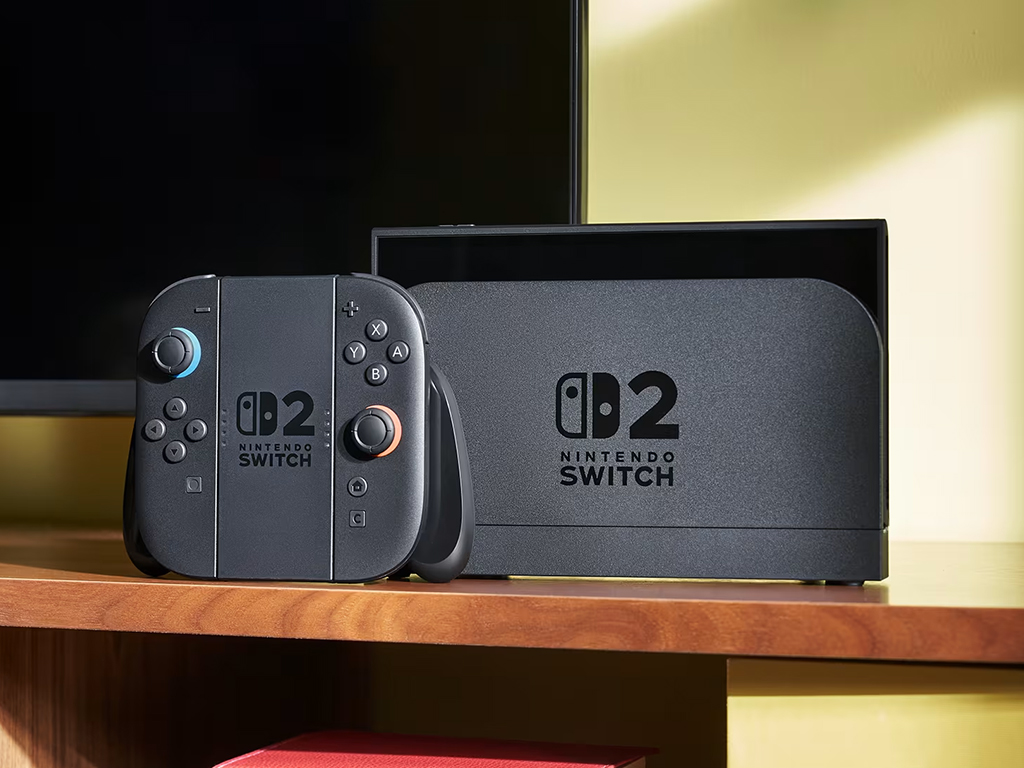
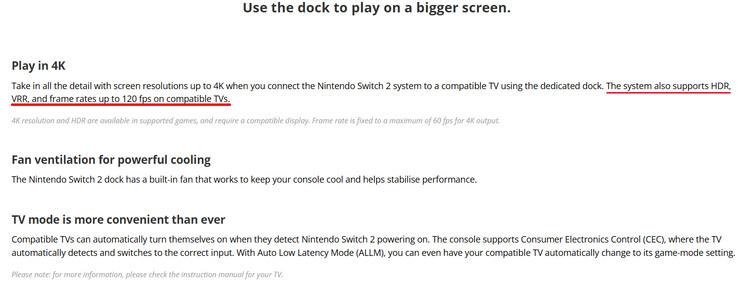
The Nintendo Switch 2 became official as a more capable console than its predecessor. It’s also more feature-packed, but while the gaming handheld was initially marketed to have VRR support when docked, the mention of that has now been removed from US and Canadian websites.

It's unclear if the Nintendo Switch 2 will support VRR when docked (Image source: Nintendo)

It’s unclear if the Nintendo Switch 2 will support VRR when docked (Image source: Nintendo)

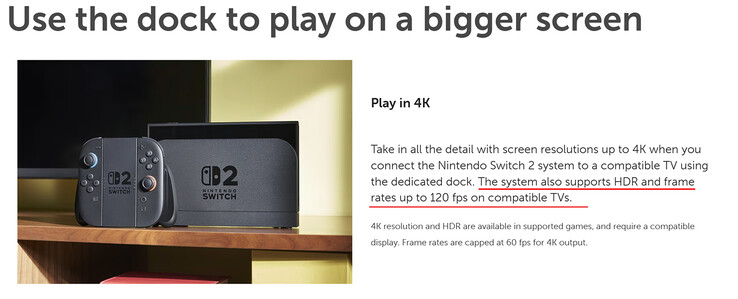
Nintendo introduced the Switch 2 as a more capable gaming handheld than the first-gen device. At launch, the company also highlighted how feature-packed the new console is, with the initial promotional materials noting VRR support when docked and in the handheld mode.

However, the mention of VRR support when docked has now been removed from the official US and Canadian websites. TheBritish website, on the other hand, still has the original description, which is causing confusion among gamers. Without VRR support in docked mode, it would be quite difficult to get a smooth gaming experience while playing at 4K.

The good thing is that the original description of Switch 2 having support for VRR mode in handheld mode is still available on all official websites. This comes thanks to the gaming handheld having support forNvidia G-Syncand a native DisplayPort 1.4 connection.

Per speculations, Nintendo might have backtracked on VRR support when docked because of the conversion from DisplayPort to HDMI required for display output from the dock. But then again, the edits on the US and Canadian websites may be an error, given that the gaming handheld has support for G-Sync (G-Sync compatible LG C3 Series 65-inch TV curr.$1,196.99 on Amazon).

>>>Replacement battery for Nintendo Wii U GamePad WUP003 WUP-012

In related news, Canadian retailers have seemingly confirmed that the Nintendo Switch 2 will be available to pre-order on April 23, 2025. It’s still unclear whether the same applies to the US, but some retailers did claiman earlier pre-order datethan initially expected.

>>>>>>Replacement battery for Nintendo Game Boy Micro OXY-001 Y76NB01

The US and Canadian websites removed the mention VRR support in docked mode (Image source: Nintendo)
The British website still retains the original information (Image source: Nintendo)

The British website still retains the original information (Image source: Nintendo)

Google Wallet brings real-time train status alerts to Android, and teases I/O 2025

There’s a little more in store next month for Wallet and Pay.

Google Wallet app on loading screen

What you need to know

  • Google Wallet’s latest updates include the addition of real-time train status alerts for users who’ve added their tickets.
  • Users will receive notifications if their train is “On Time,” “Delayed,” and more; however, this is restricted to those in India and Canada (for now).
  • Google also teased I/O 2025, stating there’s more to come for Wallet and Pay during the event.
  • Google I/O 2025 is slated for May 20 at 10 am PT.

Google’s Wallet app is having an eventful week as the company details what’s new and an important feature that’ll catch your eye.

Google Wallet’s developer blog postedthe latest changelogthis week, which includes a real-time status update addition (via9to5Google). Currently rolling out are several status updates for trains. Google clarifies that users will only see these real-time updates if they’ve saved their ticket to Wallet.

More importantly, this is only arriving for users in India and Canada for Indian Railways and Via Rail, respectively.

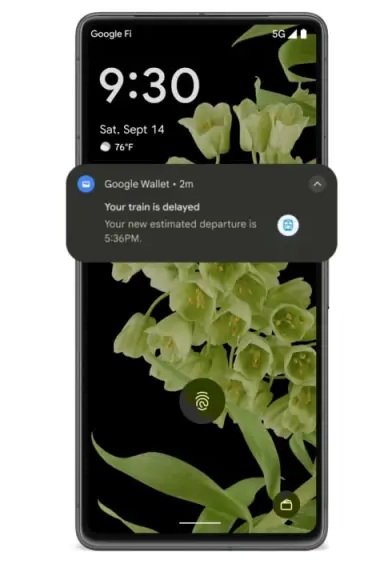
The patch notes state users will receive alerts on their phones with information like “On Time,” “Delayed,” and more regarding where their train is. It seems Google Wallet will provide the time your train is expected to arrive at the station when delivering any of these real-time updates.

Additionally, adding a ticket will show the time you’re expected to depart from your station and your estimated time of arrival for your destination.

>>>Replacement battery for Google Pixel 9 Pro Fold

More in store for Wallet

Google Wallet will show real-time train status alerts for users in India and Canada for now.

(Image credit: 9to5Google)

Another noteworthy addition is the ability to add Loyalty and Gift card passes to your Wallet via its homepage on the web. Essentially, this is an integration of Google’sLoyalty Program. Meanwhile, parents/guardians in “select” countries can now give their child’s account permission to add event tickets, generic passes, and more to Wallet. This feature for kids wasoriginally announcedin March, stating those in the U.S., U.K., Australia, Spain, and Poland will receive it first.

Lastly, the company slipped in a little teaser for its upcomingI/O 2025event in May. Google says users can expect to “hear about all the changes” coming to Wallet and Pay from May 21 to May 22.

Google’s I/O conference is expected to start on May 20 this year at 10 am PT. We’re expecting quite a bit, such as Android 16, Android XR, Wear OS 6, and maybe even teasers for next-gen Pixel products.Live Updatesare a key aspect expected to arrive in Android 16 this year, which, according to Google, will roll out much earlier in Q2 2025. That release window seems within reach as Android 16 achieved a major milestone:Platform Stability.

>>>Replacement battery for Google Pixel Fold

In short, this means developers are given one final chance to clean up their apps to avoid any conflicts when the upgrade is released. Android 16 Beta also showcased Google’s work to improve the accessibility side of its software, as it includes Auracast support for hearing aids.