We special in laptop battery ,laptop adapters for most of top brands, such as apple,acer, asus, dell, fujitsu,hp, compaq, ibm, lenovo, toshiba, samsung, sony on UK,all the ac power adapters, laptop batteries are high quality and low price.
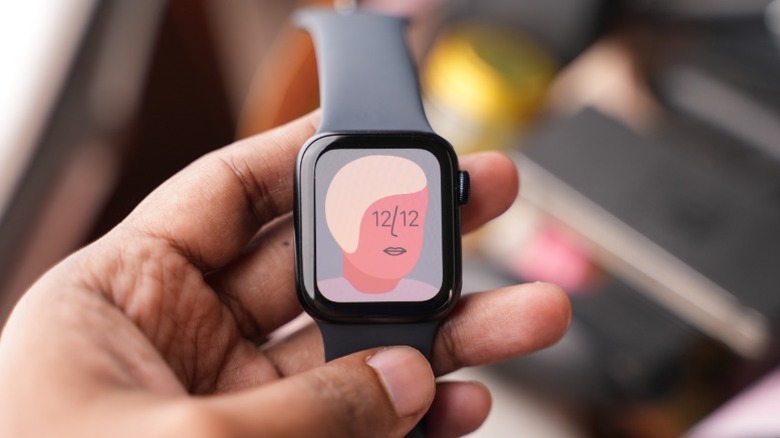
Picking up a smartwatch can be a valuable investment if you’re looking for a reliable accessory during workouts and commutes, but don’t want to constantly keep checking your phone. Apple ranks high as one of the major smartwatch brands out there, and its commitment to incremental upgrades with every generation helped to earn it that spot. At the time of writing, the Apple Watch Series 10 that we reviewed is the latest you can get, and is sandwiched right in between the Ultra 2 and SE 2 smartwatches.While the highest-end Ultra offering pushes every aspect of the watch including build quality, feature set, and battery life, the Apple Watch SE can be a great point of entry to someone who has never owned an Apple-branded smartwatch before but still wants to benefit from the rich ecosystem advantages that the company’s devices bring. The Apple Watch SE 2nd Generation was launched in 2022 and currently retails at $249 for the GPS-only version. In contrast, the latest Apple Watch Series 10 that was released in 2024 starts at $399 and brings some very impressive upgrades to the display — some even surpassing the Ultra 2 on paper.If you simply want a smartwatch to accompany your iPhone and need it to handle everyday operations like music playback, notifications, and basic workout tracking, then the Apple Watch SE 2nd Generation is a solid buy. However, the Series 10 is more than good enough to persuade some buyers to spend a little extra.>>>Replacement battery for Apple Watch Series 8 41mmDesign and hardware improvements with Series 10
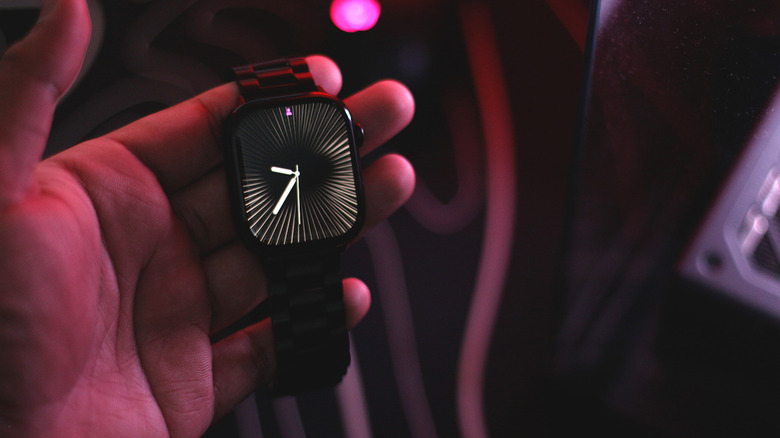
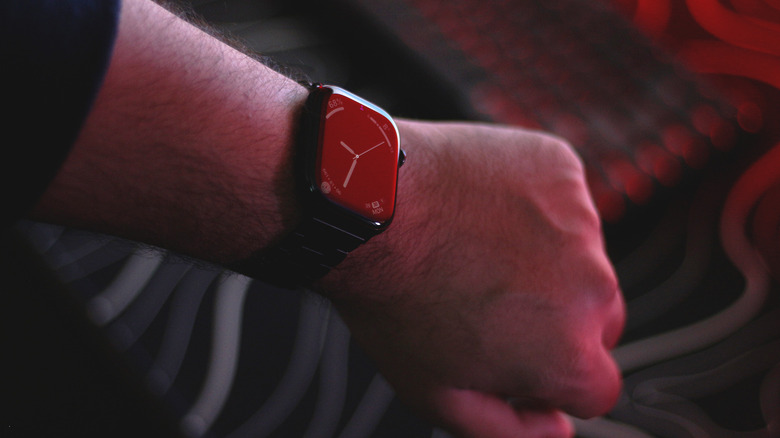
It’s no surprise that going with the more expensive and newer Apple Watch will get you the latest that the company has to offer, hardware-wise. Even at the time of launch, the Apple Watch SE 2nd Generation sported larger bezels and had some corners cut to be made available at an affordable price point.The Series 10 watch features an LTPO3 Wide-angle OLED display with a peak brightness that can soar up to 2,000 nits. I own one, and it sometimes feels unreal when the display is perfectly legible on the sunniest of days. By comparison, the Watch SE 2 boosts up to 1,000 nits, but drops support for always-on display — which can be a huge determiner for watch buyers.The Series 10 gets a more powerful S10 SiP, but the Watch SE 2 isn’t too far behind, given that it shares the same S8 SiP as the Apple Watch Series 8 it was launched alongside. The Series 10 watch does benefit from features like Precision Finding for iPhone, a wrist double-tap gesture, and a temperature sensor. You also lose a few bits like sleep apnea notifications and the depth app with the cheaper Apple Watch SE 2.Both watches are rated to last up to 18 hours and feature a battery saver mode that can stretch functionality when required. The Series 10 watch does get faster charging, allowing it to hit 80% in just 30 minutes on the charging puck.>>>Replacement battery for Apple Ipod Touch 5Which Apple Watch should you buy?
Both models of the Apple Watch offer tight integration with products like the iPhone and AirPods, and can assist you with day to day health monitoring. Even with the cheaper SE 2, you get some of Apple’s new feature add-ons like fall and crash detection. Both watches are water-resistant up to 50m and can be used while swimming. The Series 10 adds a couple of sensors to its suite, including a newer third-generation optical, and a separate electric heart sensor.The ability to take an ECG on your Apple Watch is a big omission if you decide to go with the cheaper SE 2 watch as well. On-device Siri might not sound like much given the personal assistant’s reputation in recent years, but it does process commands incredibly quick on the Series 10 — which can be very useful if you want to control your watch hands-free. Being able to access your recent health data without an active connection to your iPhone is also nice to have with the Series 10 watch.Ultimately, the choice can be narrowed down depending on whether you’re fine with just the essentials or crave a fuller experience. The Apple Watch Series 10 boasts a couple of useful new features, faster charging, and a more expensive titanium variant for those looking to strike a balance between form and function. That said, for $150 less, the Apple Watch SE 2nd Generation cuts the right corners while still delivering on functionality.
The Acer Chromebook Plus 516 is a large Chromebook with a vibrant and sharp display and great performance. Its ultra large size might be overkill for some, though, and limits its portability credentials – as too might the slightly disappointing battery life. Still, if you’re looking for a high-performing Chromebook that’ll stay put, the Chromebook Plus 516 is a solid choice.
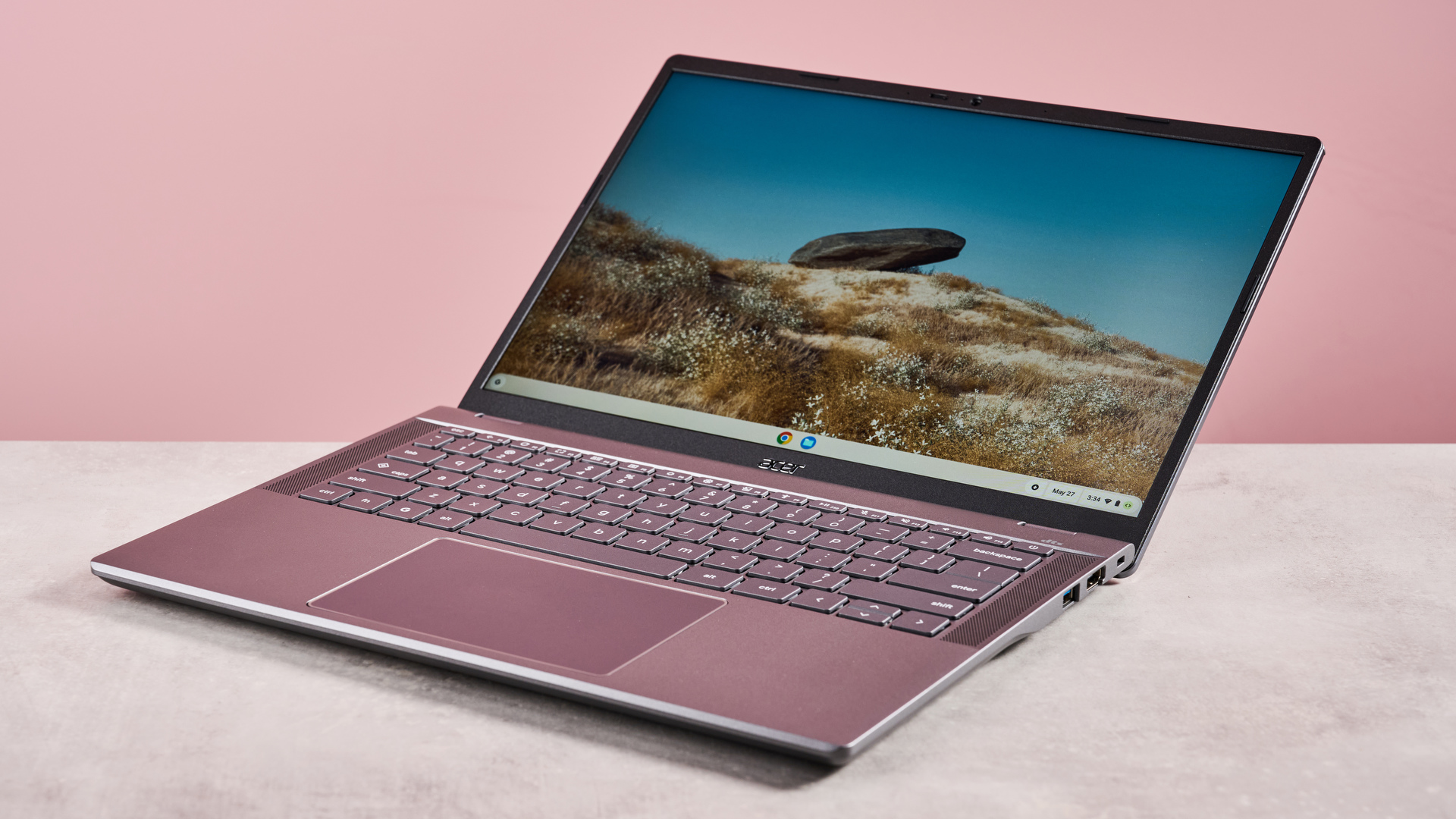
TheAcerChromebook Plus 516 is a large device with a reasonably strong spec, making it ideal for various productivity and entertainment needs. It might not look terribly auspicious, and the color is a little dour, but it’s surprisingly thin for a Chromebook this size, which helps to make it more sleek.
It’s also a well-made machine, with materials that feel durable yet light. What’s more, the lid hinges allow for easy opening and offer stability at any angle all the way up to 170 degrees.
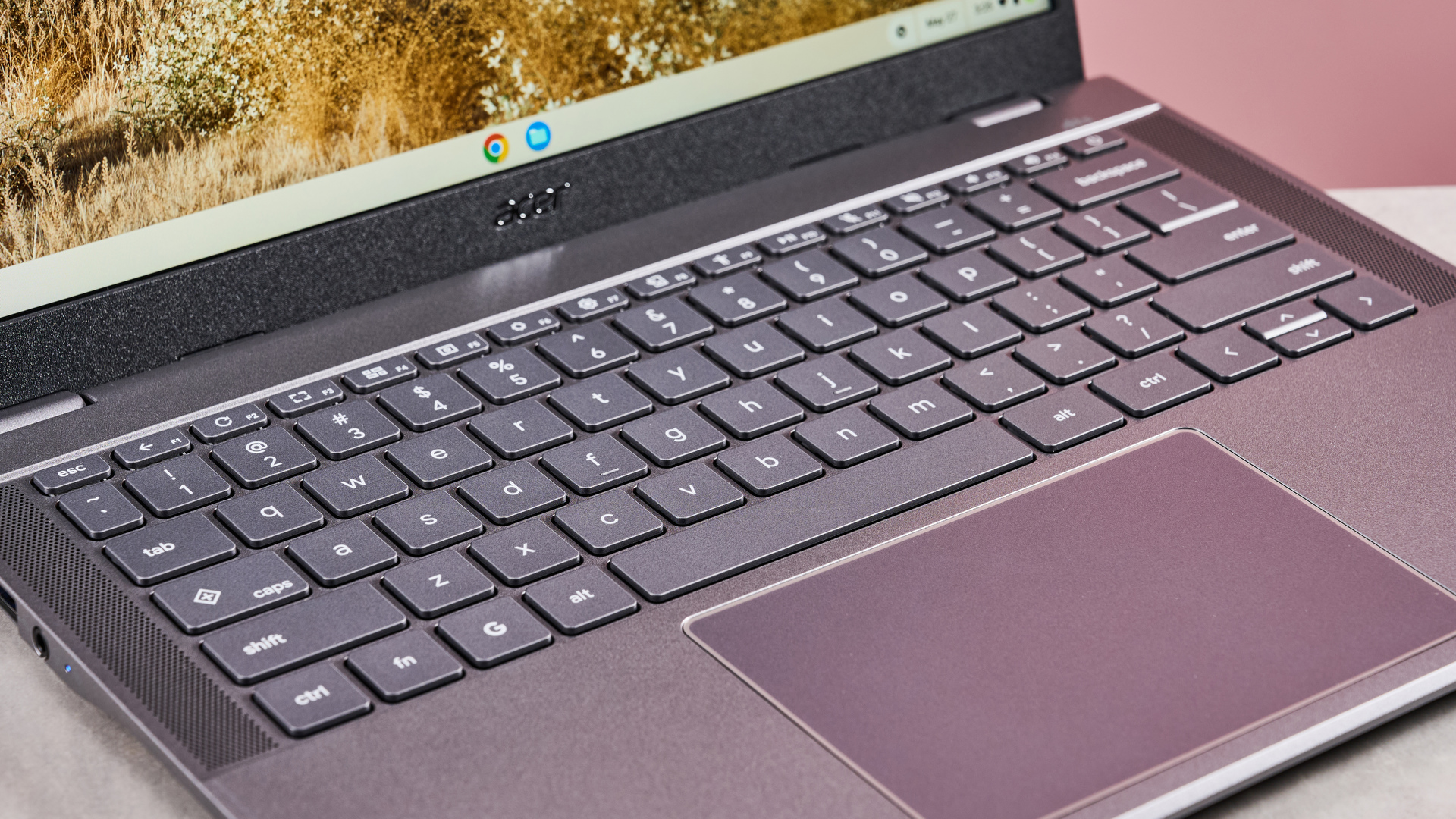
It also has one of thebest Chromebookkeyboards in terms of layout, with plenty of keys included, such as a number pad, without compromising spacing. This makes typing easy, and the snappy nature of the individual keys makes them satisfying, too.
The touchpad is equally capable, providing responsive inputs and plenty of accuracy, which, combined with its large size, makes for easy navigation. It also manages to keep out of the way while typing.
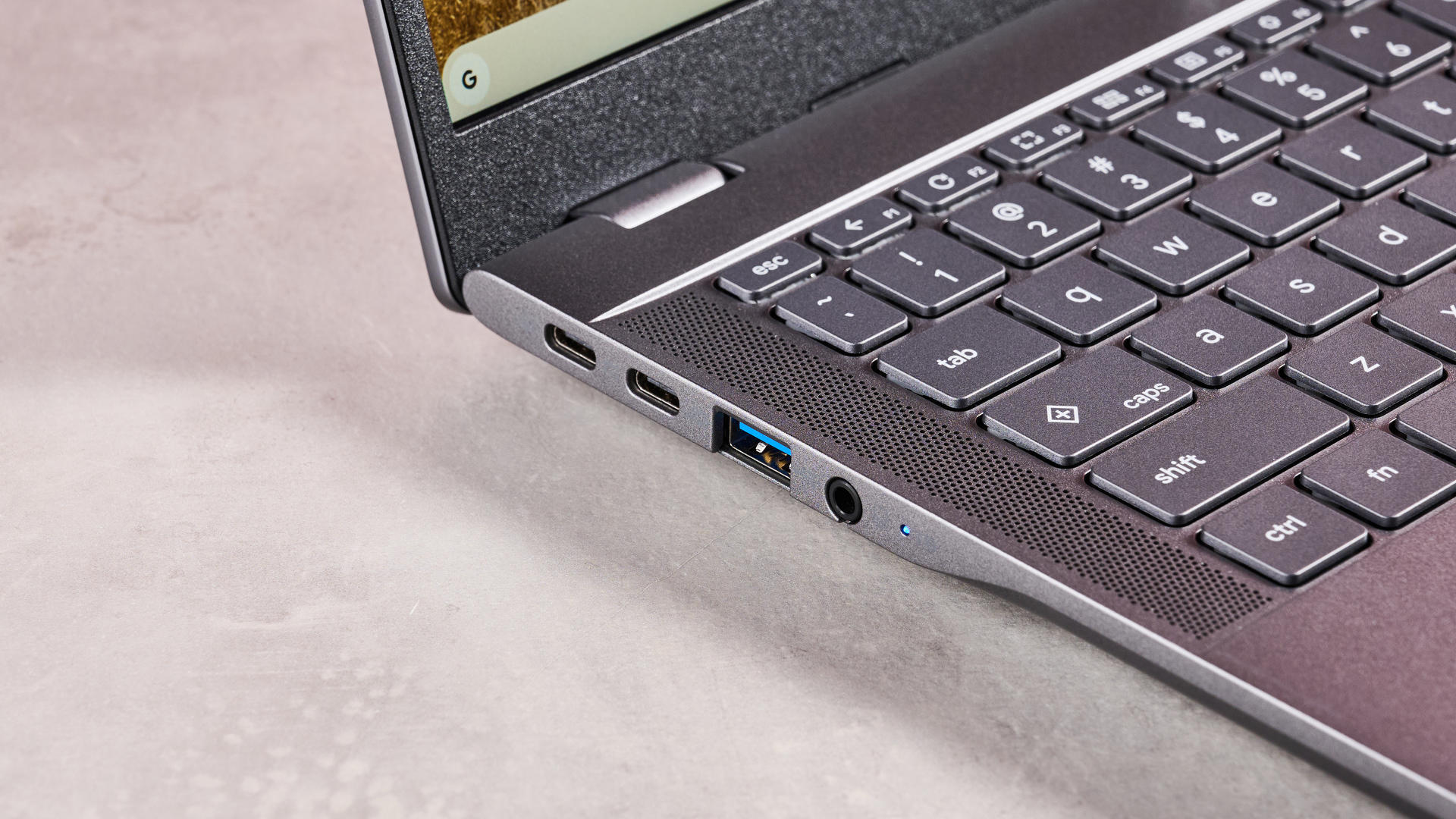
Port selection on the Chromebook Plus 516 is quite good, and I was pleased to see the inclusion of two USB-C ports. However, it’s a minor shame both are on the same side, which may limit your options when plugging into an outlet. Still, the two USB-A ports, HDMI port and audio jack are all welcome additions.
In terms of performance, the Chromebook Plus 516 handles most tasks well. It loads apps quickly and multitasks very well. Even mobile gaming on high settings is viable. It also takes Ultra HD content in its stride, streaming it without a hitch for the most part. Viewing such content is made all the more enjoyable thanks to that large, crisp, and vibrant display, which also does an admirable job of keeping reflections at bay.
Unfortunately, the battery life of the Chromebook Plus 516 isn’t particularly impressive relative to its rivals. During our movie playback test, it failed to break past eight hours, a threshold many modern Chromebooks can exceed.
With a starting price of £399.99 (about $540 / AU$830), the Chromebook Plus 516 sits somewhere in the middle of the market. However, it’s good value when you consider its performance, display, and productivity credentials.
Acer Chromebook Plus 516 review: Price and availability
Starts from £399.99 (about $540 / AU$830)
Available from August in the UK
Mid-market pricing
The Chromebook Plus 516 starts from £399.99 (about $540 / AU$830) and is available in the UK from August in one colorway. Multiple storage, CPU, RAM and graphics options are configurable. A backlit keyboard can also be specified, as can a touch screen.
It’s about the same price as the equally capable but slightly smallerAcer Chromebook Plus 514. Like that model, the 516 sits somewhere in the middle of the market, but perhaps represents slightly better value owing to the larger screen size and extra keys.
However, if you still want great performance but at a lower price, the olderAcer Chromebook Plus 515remains a great pick, and its 15.6-inch measurement is still big enough to please those who prefer large displays; there’s a reason we think it’s one of thebest student Chromebooks, after all.
If you’re after something cheaper still, we think theLenovo IdeaPad Flex 3 Chromebookis thebest student laptopfor those on a budget. Its performance is no match for the mightier Chromebook Plus 516, and it’s also much smaller, but it has the advantage of being a 2-in-1 device, thanks to its 360-degree rotation and touchscreen.
These specs pertain to my review unit of the Acer Chromebook Plus 516:
Price
£399.99 (about $540 / AU$830)
CPU
Intel Core 3 100U (8 threads, 4.7GHz)
Graphics
Integrated, Intel UHD Graphics
RAM
8GB LPDDR5
Screen
16-inch WUXGA (1920 x 1200) IPS, 16:10
Storage
128GB UFS
Ports
2x USB-A, 2x USB-C, 1x HDMI, 1x 3.5mm audio
Wireless
Wi-Fi 7, Bluetooth 5.3
Camera
HD 1080p
Weight
3.75lbs (1.7kg)
Dimensions
14.1 x 10 x 0.8 inches (359 x 253 x 19mm)
Acer Chromebook Plus 516 review: Design
Smart and well made
Plenty of keys
Both USB-C ports on same side
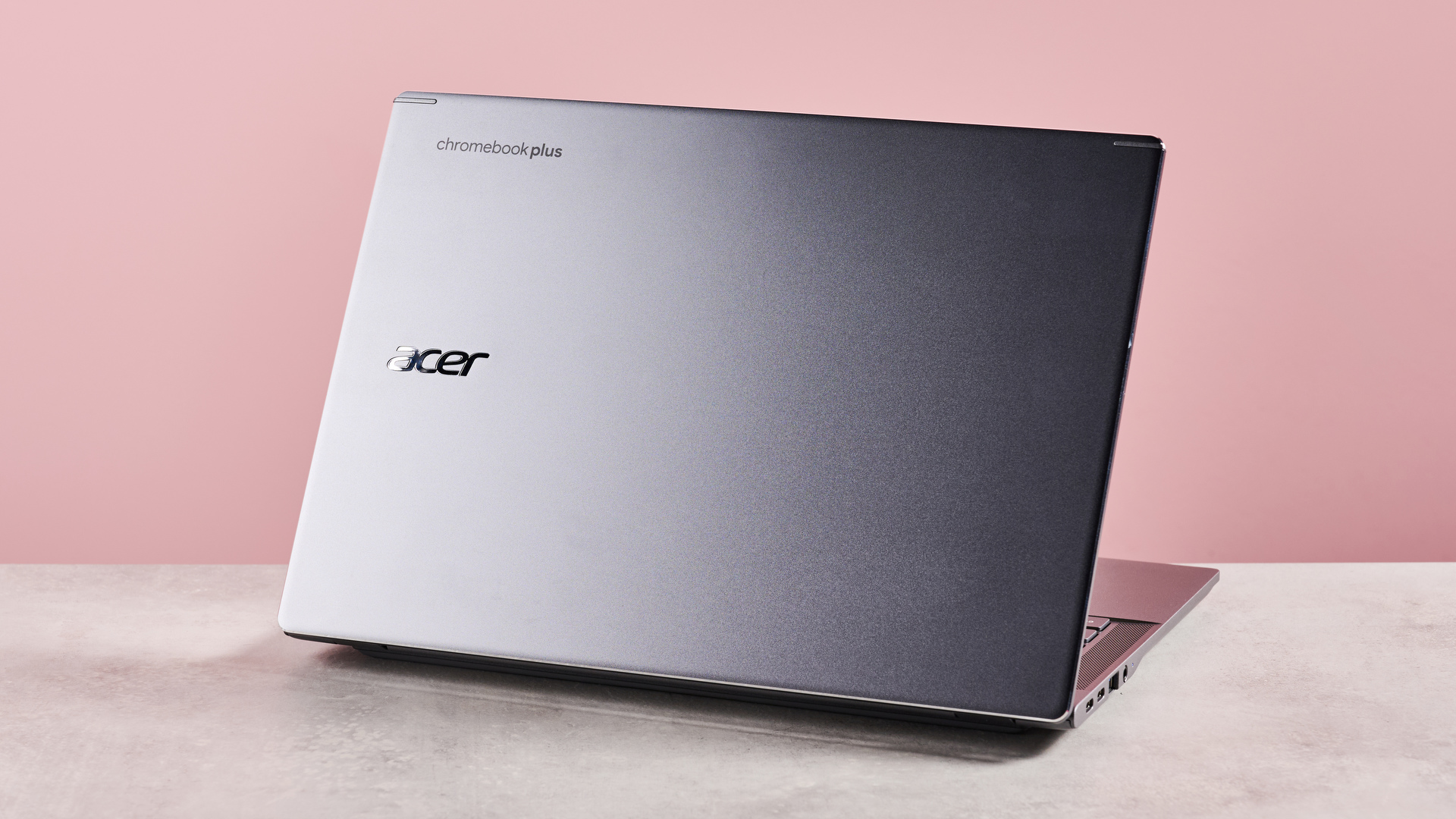
The Chromebook Plus 516 adopts the fairly typical Acer aesthetic, with a sleek but understated appearance. There’s nothing particularly spectacular about its looks, but it’s at least free from too many fussy details.
Despite its large size, it’s pleasingly thin and not quite as heavy as you’d expect it to be. It’s no match for smaller Chromebooks in terms of portability, but all sides are quite flat and smooth, which helps when sliding it into your bag.
The build quality is on par with the best Chromebooks. Certain materials look more premium than others, but all feel solid and durable. The keycaps are perhaps the least impressive visually, but they’re tightly fitted.
The hinge mechanism is similarly well-engineered. The lid is easy to open and move into any position, and its maximum recline angle of 170 degrees makes it versatile for various setups. What’s more, it remains stable in any position; there’s next to no wobble, which is all the more impressive given its thinness and lightness.
The keyboard features numerous shortcut keys on the F row, all of which are quite useful. Highlights include one for taking screenshots, one for dictation, and one for opening a menu containing various accessibility functions.
Being a Chromebook Plus, you also get a Quick Insert key, used for accessing files, opening recent documents or creating new ones, inserting links, using AI tools, and other productivity-based functions.
The keyboard even includes a navigation cluster and number pad, both of which I welcome. More impressively, these don’t compromise the layout spacing, thanks to the width of the device itself. The touchpad also manages to not get in the way while typing, despite its relatively large size.
I was pleased to see the Chromebook Plus 516 features two USB-C ports, although unfortunately they’re both the same side, which somewhat limits versatility when plugging into an outlet. Still, it’s nice to have more than one, and the further ports – two USB-A ports, an HDMI port, and a 3.5mm headset jack – are all welcome additions. There’s no SD card slot, though, which might be a problem for some users.
Design score: 4 / 5
Acer Chromebook Plus 516 review: Performance
Benchmarks
These are the results of our benchmarking tests for the Acer Chromebook Plus 516:
TechRadar Battery Life Test:7 hours and 35 minutes Jetstream2 Benchmark:295.772 Kraken Benchmark:398.5ms Speedometer 3.0:18.8 (±1.0)
The Chromebook Plus 516 is quite a capable performer. Creating and editing documents and spreadsheets is no problem for it, while switching between apps and multiple tabs is taken in its stride.
Gaming performance is also admirable. I managed to playAsphalt Legends Uniteon high graphics settings without issue, running smoothly with little stutter. This was especially impressive given that the game recommended I play on lower settings based on the specs, but you’ll still want one of thebest gaming laptopsif you plan on playing more intensive games.
It can stream ultra HD content with relative ease as well. During my testing, I encountered little in the way of buffering or stuttering, making for seamless viewing in the main.
The experience is made even better thanks to the surprisingly vibrant display, which also avoids the washed-out appearance that afflicts some Chromebooks. Reflections do reveal themselves somewhat in darker scenes and unfavorable lighting conditions, but generally they’re kept at bay quite well.
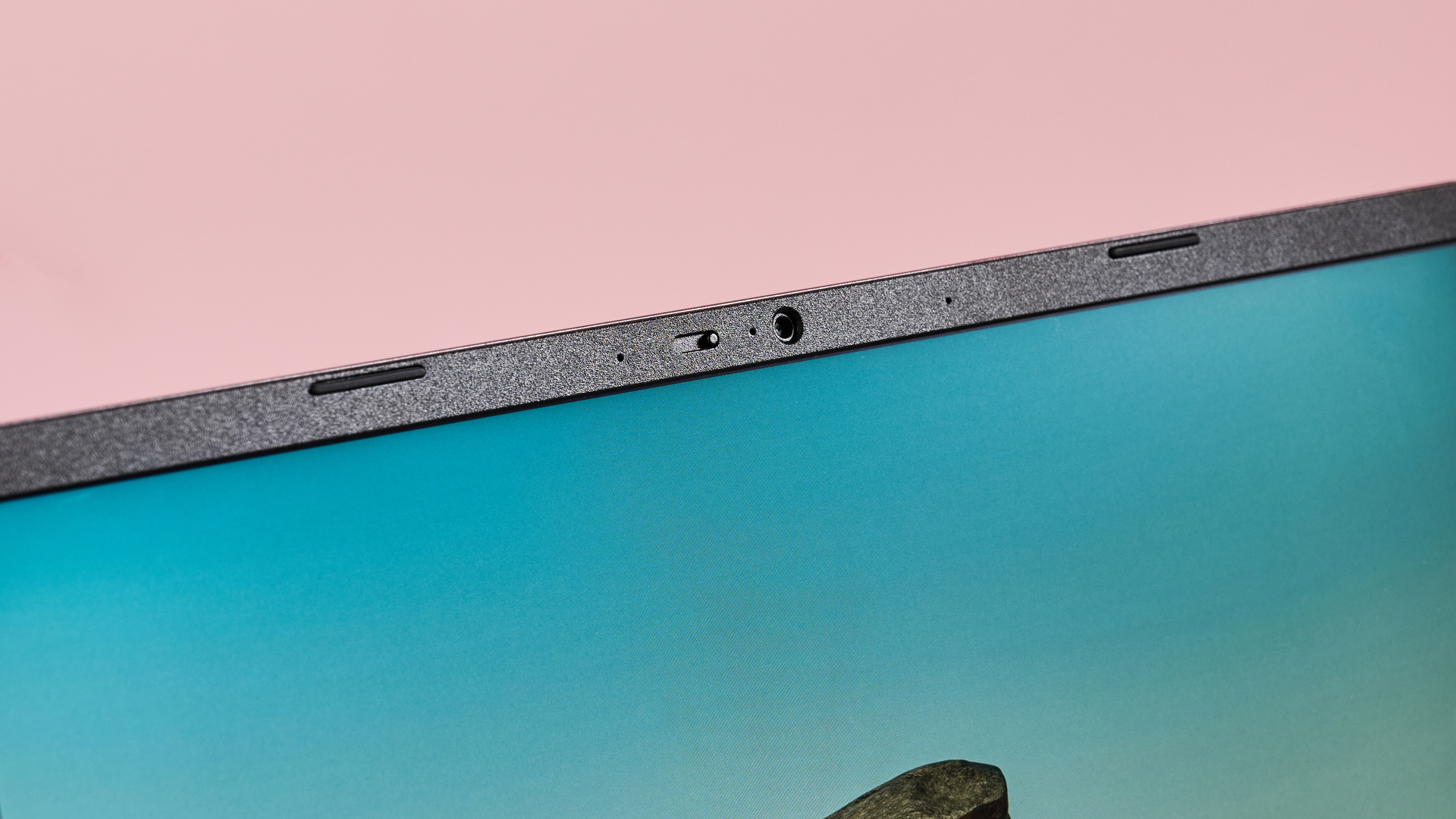
Moreover, the 1920 x 1200 resolution is suitably sharp for its large size, which makes the UI very clear, while the thin bezels ensure that the most is made of the allotted real estate.
Typing on the Chromebook Plus 516 is also a pleasure. Despite the inauspicious looking keys, they perform well, with their light actuation and just enough dampening to make them tactile. Despite the inclusion of a number pad and other extra keys, I didn’t find the layout cramped, which made for an accurate and comfortable typing experience.
The trackpad is brilliantly smooth and very precise, tracking perfectly with my finger movements and gestures. As with the keys, it only requires a light touch, which makes it easy to use.
Performance score: 4.5 / 5
Acer Chromebook Plus 516 review: Battery life
The Chromebook Plus 516 doesn’t have a terribly impressive battery life, posting a below-average score during our test. We ran a movie on a continuous loop, and it gave up the ghost after seven hours and 35 minutes.
The Acer Chromebook Plus 514 we tested fared better, managing to last almost an hour longer. The much smaller Chromebook Spin 312 also eclipsed it, running all the way past 11 hours before total depletion.
However, the Chromebook Plus 516 still did better than the older Chromebook Plus 515, which only managed five hours. However, if you’re after a device that can really go all day, theLenovoIdeaPad Flex 3 Chromebook is perhaps your best choice, as this lasted over 16 hours in our movie playback test.
Battery life: 2.5 / 5Buy it if…You want a large display At 16 inches, the Chromebook Plus 516 is one of the larger Chromebooks on the market, and the resolution is sharp enough to match.
You want fast performance The Chromebook Plus 516 can handle most productivity tasks and even light gaming, thanks to its relatively strong spec.
Don’t buy it if…You want a convertible device The Chromebook Plus 516 isn’t a 2-in-1 device, so it can’t be used like thebest tablets.
You want the best battery life Seven and a half hours is all you’ll get with continuous movie playback, which ranks in the lower half of the Chromebook league.
As a lifelong gamer and a hardware reviewer, I know a thing or two about what makes thebest gaming laptopsworthwhile.
The perfect gaming laptop needs a bright, vibrant screen, solid specs, and a design that isn’t too flashy. It’s also important that a machine can be viable for years and won’t destroy your bank account.
With that in mind, I’ve compiled a list of gaming laptops that I’d not only recommend but that I’d buy with my own money. They’re not just great for playing the latest games; they’re also super capable for everyday stuff like writing and editing videos or audio.
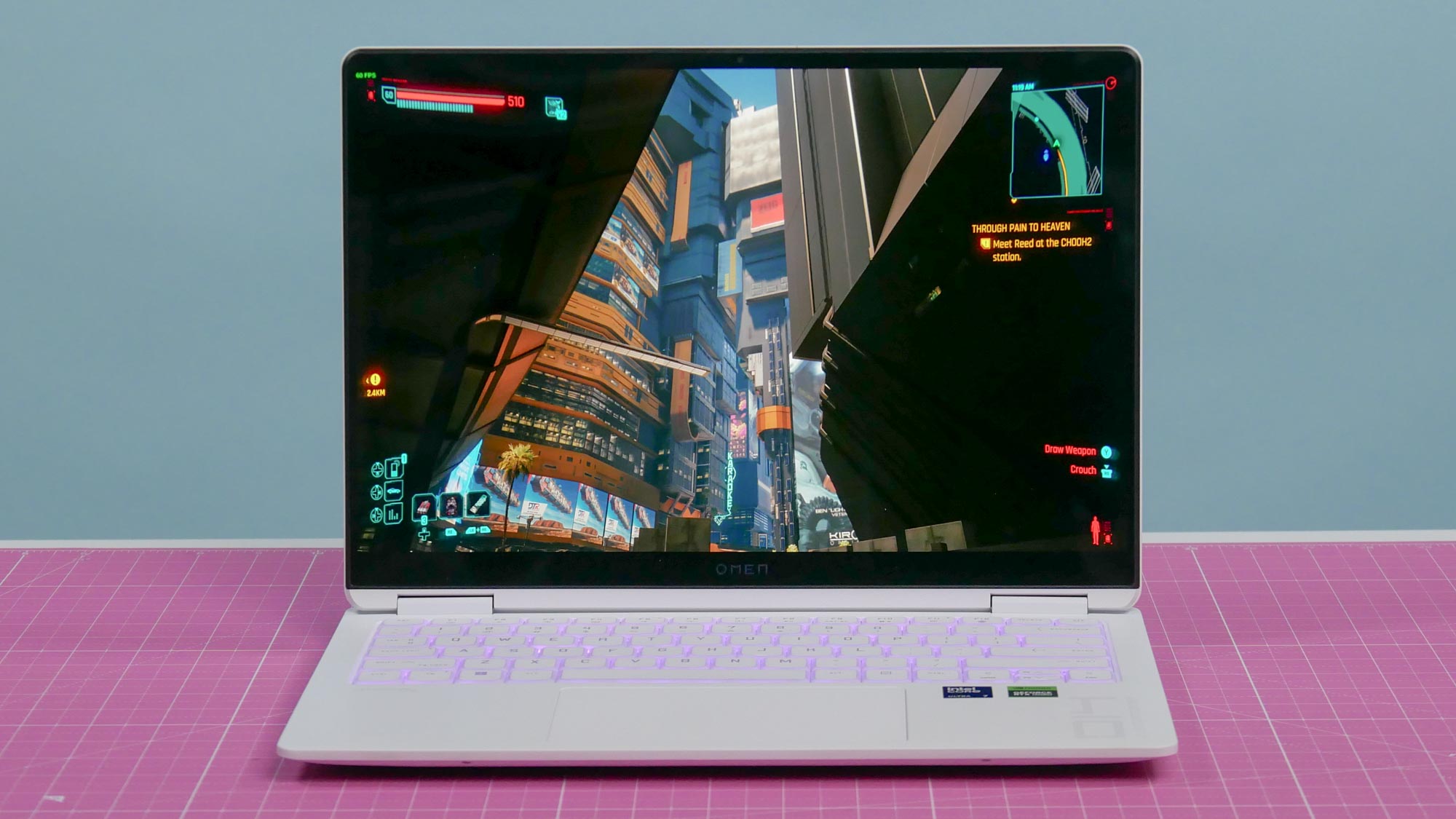
TheHP Omen Transcend 14may be a gaming laptop, but there’s nothing about its look that screams “gaming laptop.” Thanks to a sleek design and understated RGB keyboard, it could easily pass for a business ultraportable.
HP even calls it “the world’s lightest 14-inch gaming laptop,” and it’s definitely the slimmest I’ve listed here.
Under the hood, it’s got an Intel Core Ultra Meteor Lake chip and an Nvidia GeForce RTX 4060 laptop GPU. Though not the latest components, they’re enough for playing games at medium graphical settings. On top of that, games look and run smoothly on the Omen Transcend’s 14-inch 2.8K 120Hz OLED.
Battery life is pretty low, even for a gaming laptop, lasting for a little less than an hour in our testing. Because of that, it might not be your best bet if you’re looking for an all-day, every-day notebook. Still, the HP Omen Transcend 14 is an exceptional and incredibly thin gaming laptop.
TheAsus ROG Zephyrus G14 (2024)might not be new, but it’s still a great gaming laptop. It’s super portable, packs a punch performance-wise, and rocks a gorgeous OLED display. Plus, it’s surprisingly quiet.
Beyond gaming, the Zephyrus G14 is comfortable to work on thanks to its roomy keyboard and nice, chunky keycaps.
The Zephyrus G14 has a clean, minimalist look that’s closer to one of the best MacBooks than a typical gaming laptop. The only hint of a “gamer” vibe is a cool diagonal light on the lid. And don’t worry about ports, it’s got a good selection on both sides for all your gaming peripherals.
The 14-inch (2880 x 1800) OLED is a showstopper. Games and videos look incredible, with deep blacks and vibrant HDR really pulling you in. For competitive players, the silky smooth 120Hz refresh rate and lightning-fast 0.2ms response time give you a serious edge.
Alienware Area-51 Gaming Laptop
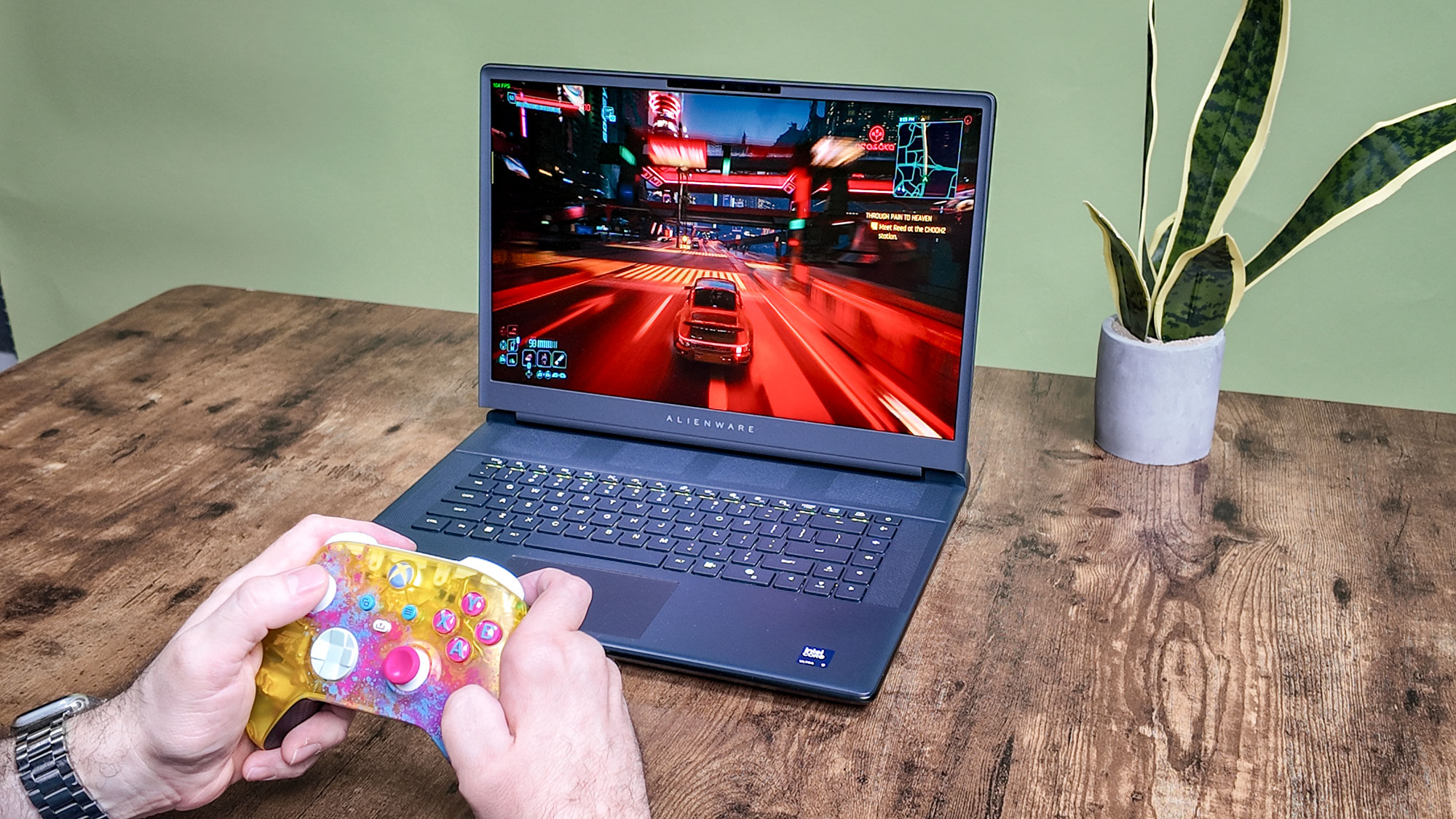
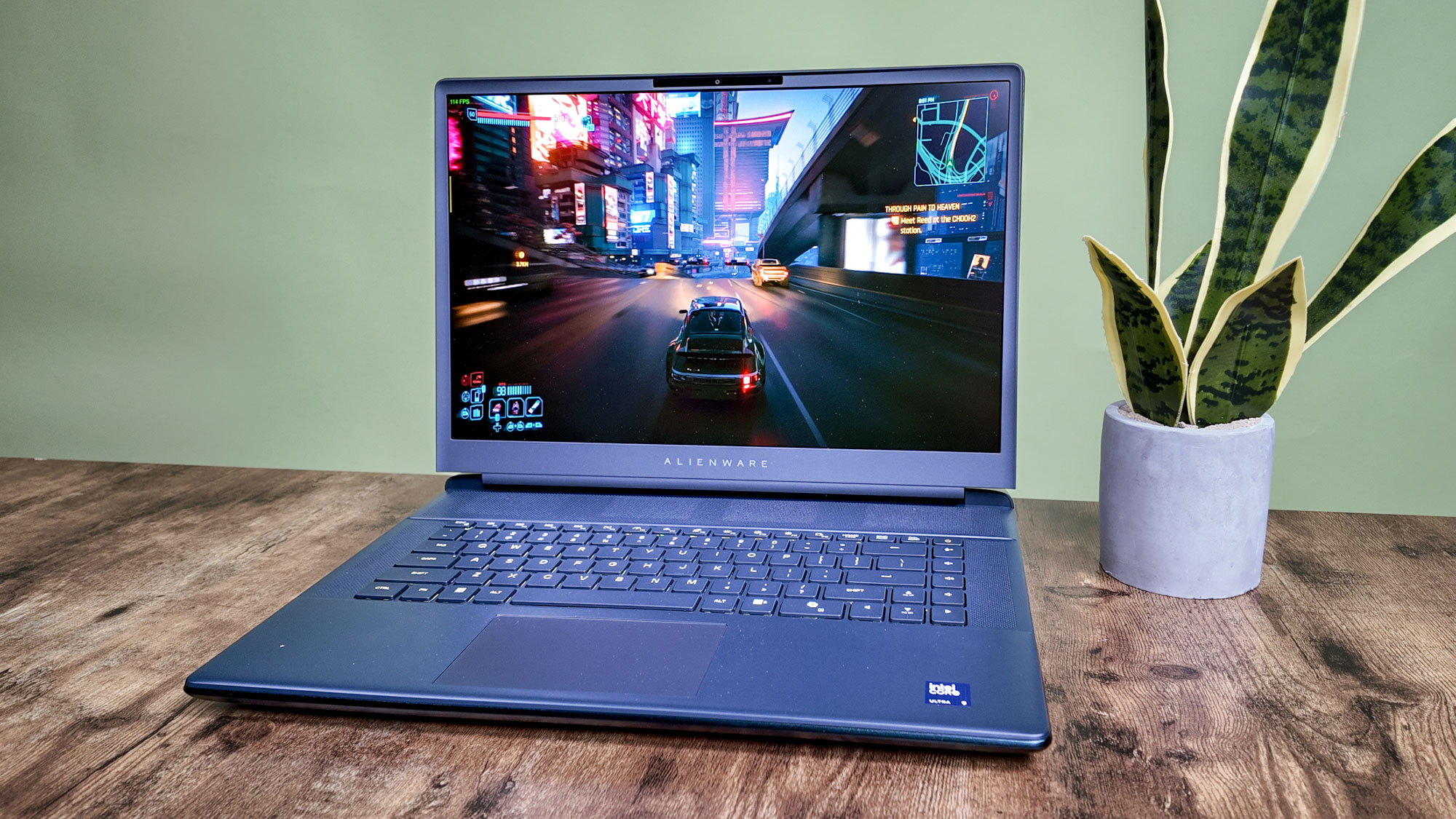
This is the newest and priciest gaming laptop I recommend, and it’s certainly worth every penny. The Alienware 16 Area-51 Gaming Laptop is a futuristic-looking device featuring powerful components that deliver an incredible gaming experience.
The Liquid Teal finish on the anodized aluminum chassis gives this laptop a dark iridescent sheen that shifts colors when viewed under different lighting conditions. I also like how the RGB lighting on the back mimics the motions of the aurora borealis, which serves to heighten this laptop’s otherworldly feel. And if that wasn’t enough, there’s a clear Gorilla Glass window on the bottom that lets you see the internal components.
Speaking of internals, all configurations pack an Intel Core Ultra 9 CPU and up to an RTX 5090 GPU. Combine that with up to 64GB of RAM, and you have a machine that can play the best PC games at high frame rates, especially with Nvidia DLSS 4 enabled. Games also look beautiful on the laptop’s 16-inch 240Hz display.
Anker has issued its second recall this month for several power bank models sold around the world, asMacRumorshas reported. If you’ll recall, its previous recall that launched earlier this monthfocusedon theAnker PowerCore 10000power bank model A1263, which were sold between June 1, 2016 and December 31st, 2022 in the United States. The company found that the lithium-ion battery it used for the model has a risk of overheating that could then lead to the power bank melting, producing smoke and, ultimately, catching fire.
Now, Anker has issued a global recall for multiple products sold in several markets around the world. Those products are the Anker Power Bank (10K, 22.5W) Model A1257, Anker Power Bank (20,000mAh, 22.5W, Built-In USB-C Cable) Model A1647, Anker MagGo Power Bank (10,000mAh, 7.5W) Model A1652, Anker Zolo Power Bank (20K, 30W, Built-In USB-C and Lightning Cable) Model A1681 and Anker Zolo Power Bank (20K, 30W, Built-In USB-C Cable) Model A1689.
The company said that it implemented a series of enhanced quality assurance protocols earlier this year, all of which were designed to detect manufacturing issues. It found that those particular models use lithium-ion battery cells from a single vendor, which are at risk of overheating and causing fire. The company said that the chances of malfunction are minimal, but it launched the recall out of an abundance of caution anyway and is advising customers to stop using affected models.
You can check if your device is affected on therecall’s official pagewhere you can enter its serial number. A proof of purchase will be required to be qualified for the program, but if you can provide the requirements needed, you can choose between a replacement or a gift card that you can use on Anker’s website.
Yay, we can play AAA games… but what’s even the point?
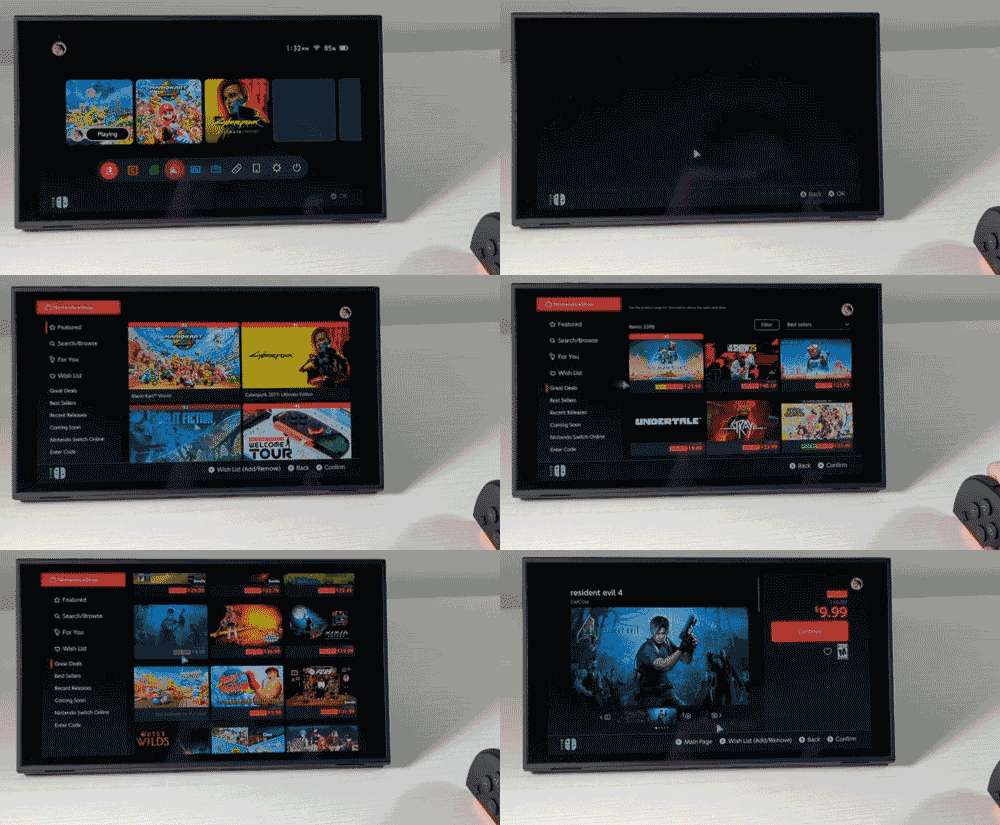
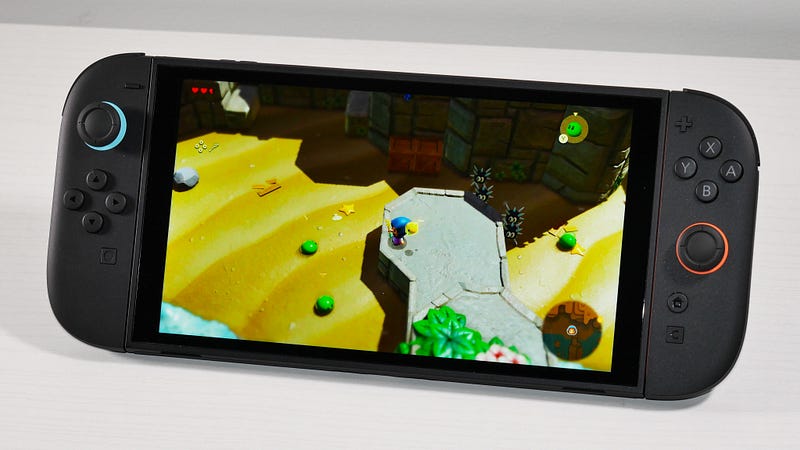
I’ve praised theSwitch 2for its 120Hz display — it has finally caught up with the rest of the industry, allowing modern games to run as smoothly as they were designed to. But apparently, its 60Hz mode isslow.
On June 13, Yaka Mochi’s blog,Chimolog.co, reported that the Switch 2 display’s response time is an average of 17.06 milliseconds at 60Hz. That may not seem like much, but to put it into context, we’ve seen gaming monitors with a response time as fast as 0.03 milliseconds.
Let’s talk about why that significantly slow response time matters and what it means for the Switch 2’s future.
The Switch 2’s response time doesn’t bode well for fast-paced games
Response times that are off by even a few milliseconds can make a significant difference in competitive games or even your average shooter, which may be why playingCyberpunk 2077felt a bit sluggish during my original testing. And for all my rhythm game lovers out there… sorry, you’re off beat.
Yaka Mochi clocked the Switch 2’s fastest response time at 8.88ms and the slowest at 27.46ms. All of the testing was done on the 60Hz mode, however. Unfortunately, the reviewer was unable to determine how to adjust the Switch 2’s refresh rate for the purpose of testing. Typically, however, at higher refresh rates, display response times are higher. But there’s no guarantee that the Switch 2’s 120Hz mode would mitigate the already super slow response time.
Yaka Mochi compared the Switch 2’s display to dozens of other displays clocked at 60Hz, and the slowest among them was 11.06ms, whereas the fastest hit 0.18ms. Nintendo isn’t going to be pushing out another Switch anytime soon, so this is going to have a long-lasting negative effect on fast-paced games that make their way to the Nintendo Switch 2.
What does this look like in reality? Well, you’ll not only feel it when you’re interacting with the controller, but you’ll also see it with your eyes. Games may appear noticeably blurry due to the time it takes for the image to transition between frames.
Unfortunately, this may have been achoice. If the display isn’t working as hard to refresh, that means the battery won’t be under as much strain. It’s unclear howmuchit would affect the battery life, however, so it’s tough to give Nintendo some grace here.
As I’ve complained about before, I wish the Switch 2 had an OLED display. In fact, OLED displays typically support faster response times, so this issue might not have been present if Nintendo outfitted the Switch 2 with an OLED display. We don’t have display testing for the original Switch OLED, but in theory, it could have a faster response time.
Well, the world may never know… until we get the Switch 2 OLED (yes, I’m still waiting).