Fitbit Labs preps Gemini-fueled lab report summaries, ‘Symptom Checker’ and more

The company highlights a few new tests on the way for its Labs experience.
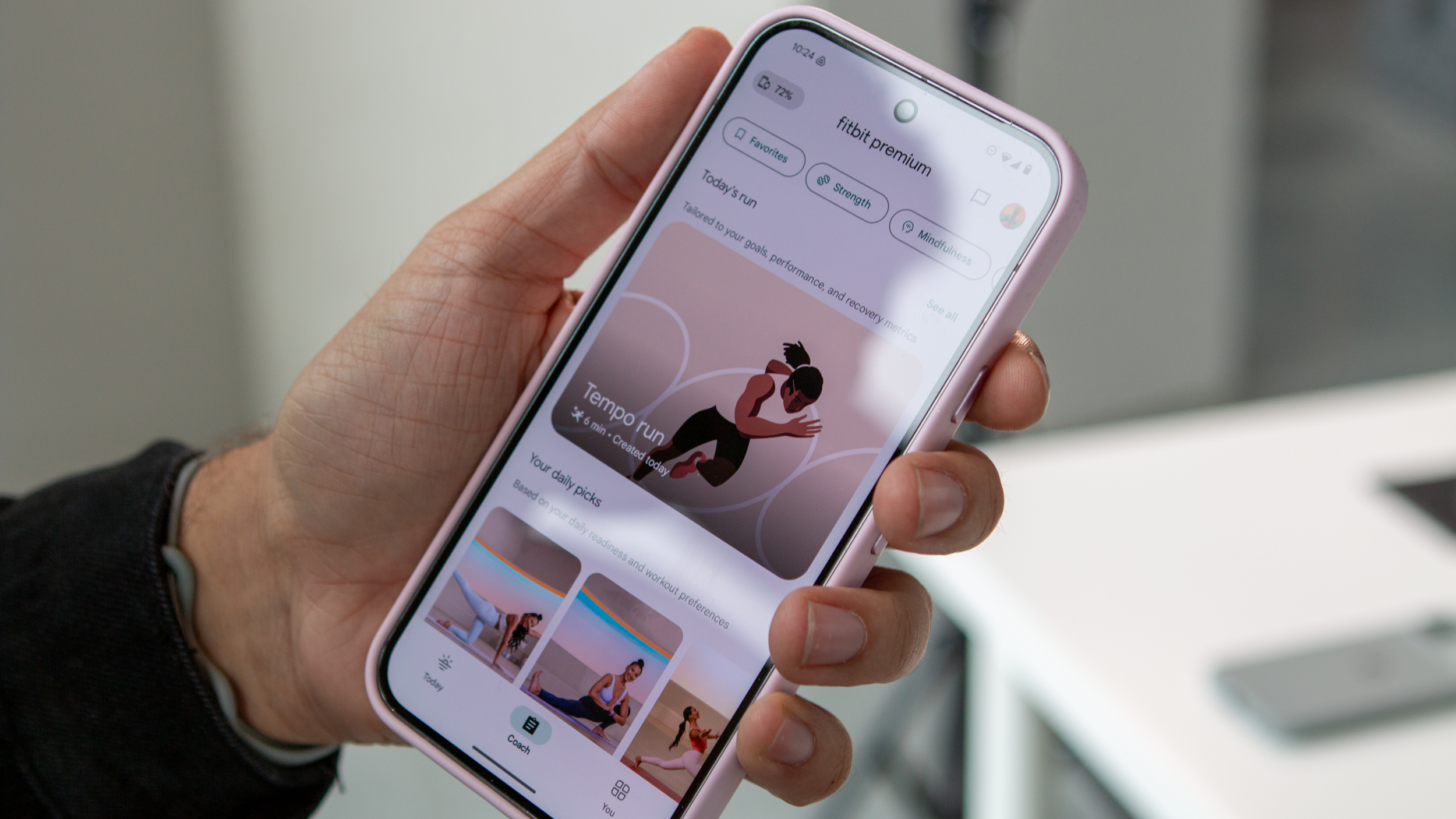
Coach tab in Fitbit app on Pixel 9

What you need to know

  • Fitbit Labs announced the upcoming beginning of the Medical Record Navigator test, which leverages Gemini for lab report summaries.
  • The Symptom Checker test will let users describe what’s wrong and receive assistance, while Unusual Trends monitors sudden changes in your baseline.
  • Fitbit Labs’ previous test was the Sleep Schedule experiment, which gives users surveys throughout the day to optimize their sleep.

Fitbit is detailing an expansion of its experimental card for interested users, which involves a brighter spotlight on your health.

Detailed in ablog post, Fitbit Labs is introducing three new tests for interested users. The first is called “Medical Record Navigator,” which leveragesGeminifor “clear health summaries.” Fitbit says this feature can turn your “complicated lab reports” into more understandable overviews. Gemini is the key player here, condensing all that information, so you know where you stand.

Fitbit states it will also link users to “educational resources” about the data returned.

The post states the Medical Record Navigator will roll into the Labs experience in the mobile app “later this week.” Users will be able to sign up/enroll and begin “securely uploading” their lab reports into Fitbit’s navigator.

The second and third tests almost go hand-in-hand, with the first stated to be the “Symptom Checker” experiment. Through this, Fitbit says users can “describe” what they’re feeling, like if they’re head hurts. The company says the app “may” ask you some follow-up questions to better understand what’s wrong.

The provided answers will be analyzed so the app can deliver potential reasons behind why you feel bad. This test is slated to begin “in the coming weeks.”

>>>Replacement battery for Fitbit Charge 5 FB421 Smartwatch

Fitbit Labs, furthering health awareness
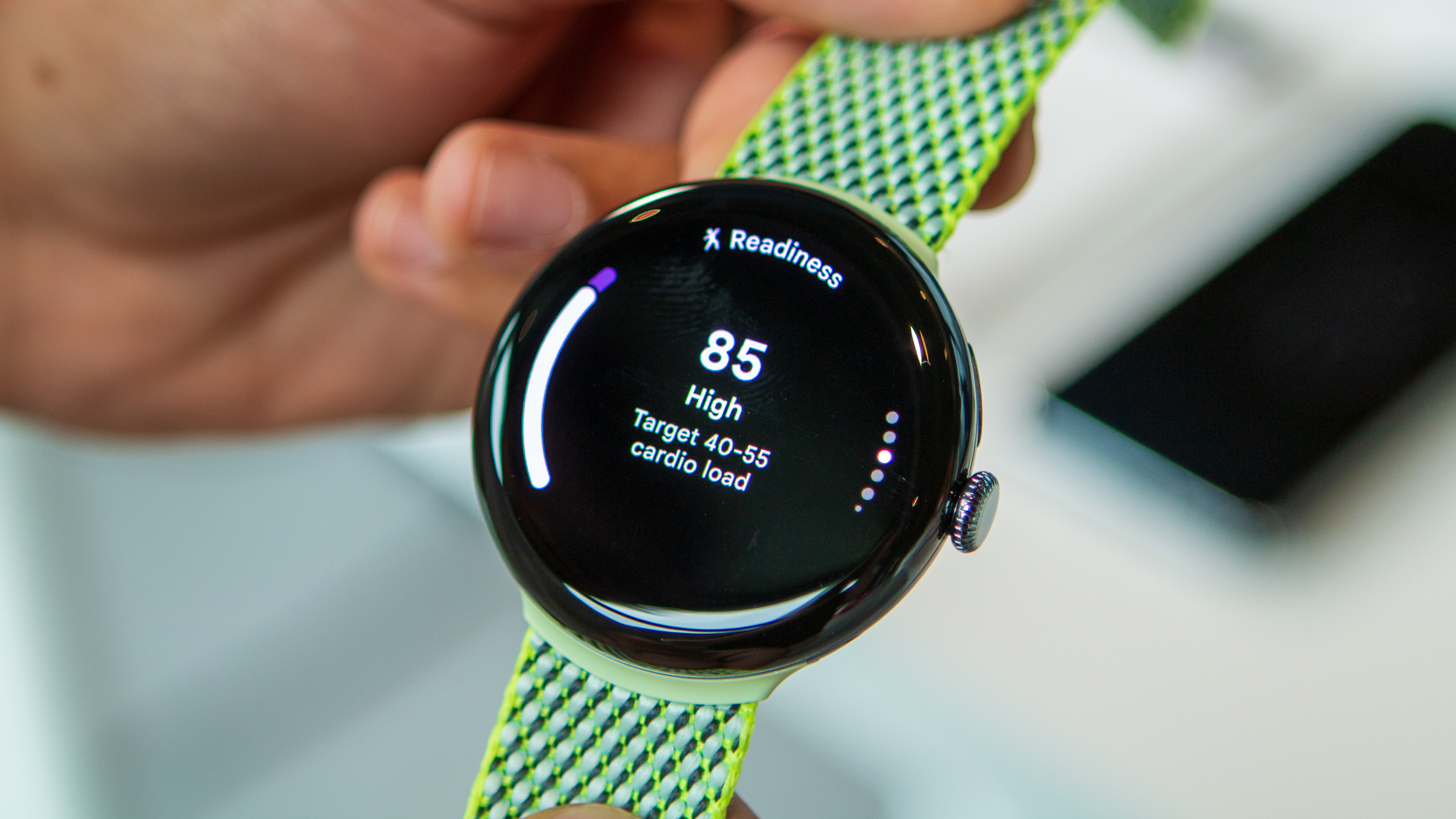
Morning Brief Readiness Score on Pixel Watch 3

The final upcoming test is “Unusual Trends.” This one is more of a background, watchful eye on your health. Fitbit states that once you’ve enrolled, Unusual Trends will figure out “what’s normal for you.” After that, it will continue to monitor your health data for changes that could signal something that requires your attention.

Fitbit says you’ll be alerted if your data begins to “trend away from your baseline.” The post adds that certain changes could be indicative of sickness or stress. Either way, if something falls out of the norm, you’ll (ideally) know about it.

Like the Symptom Checker, Fitbit Labs’ Unusual Trends is set to arrive in the coming weeks.

>>>Replacement battery for Fitbit Sense 2

Another significant Fitbit Labs addition was introduced in March, as the app gave testersthe Sleep Schedule experiment. In short, the feature’s purpose is to help users get an optimal amount of sleep, especially if you’ve been feeling tired. Sleep Schedule will feed multiple surveys throughout the day, from morning to afternoon and evening. The surveys will help the app understand what might be impacting your sleep, like noise, light, or perhaps the time you’re going to bed.

As always, users can find current Fitbit Labs tests in the “You” and “Today” tabs. Users can participate or hop onto the waitlist.
What are the different IS modes on your camera lens, and when should you use them?

Learn when to apply an IS mode to enhance quality, and when to turn it off to save sharp pixels

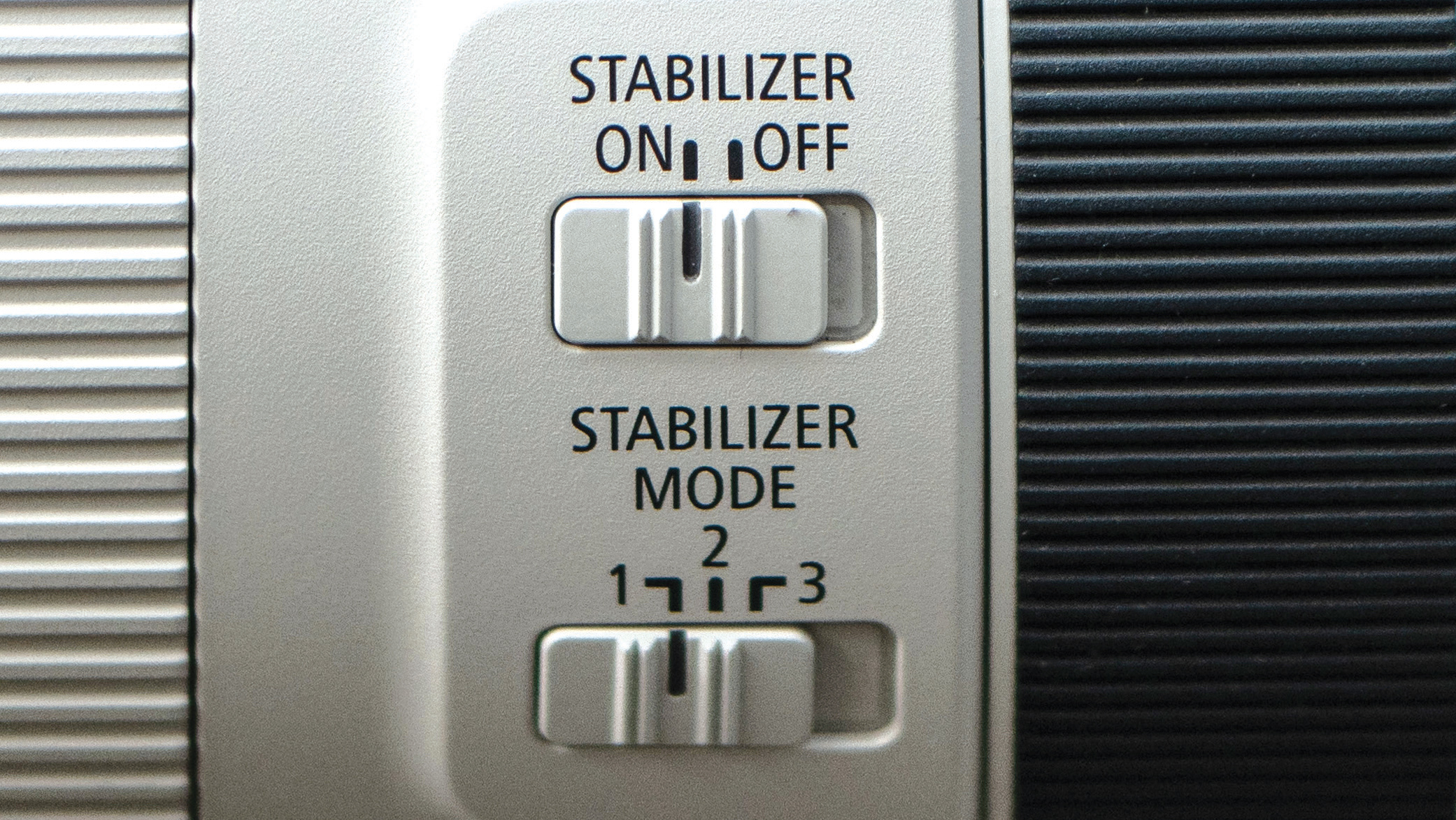
Close-up of camera stabilizer controls, featuring “ON/OFF” and “STABILIZER MODE” settings with numbered modes 1, 2, and 3

You may have heard the term IS mode, and noticed specifically designed buttons for it on your camera lens, but what do these modes actually do?

IS stands forimage stabilization, and when it comes to improving the sharpness of your shots it is of great importance. However, using it in the wrong situation can backfire and actually make your photos look blurry!

There are different types of image stabilization, and their names can vary depending on your camera or lens brand. For simplicity, I’ll talk about the two main types as follows: in-body image stabilization (IBIS) and lens-based optical image stabilization (OIS).

Image stabilization is designed to level out or reduce camera shake, which can lead to blurry shots in windy situations, when you’re shooting with longer focal lengths and zooms, or when using slower shutter speeds.

>>>Replacement battery for Canon CP710 CP730 CP760 CP780 CP790 CP800

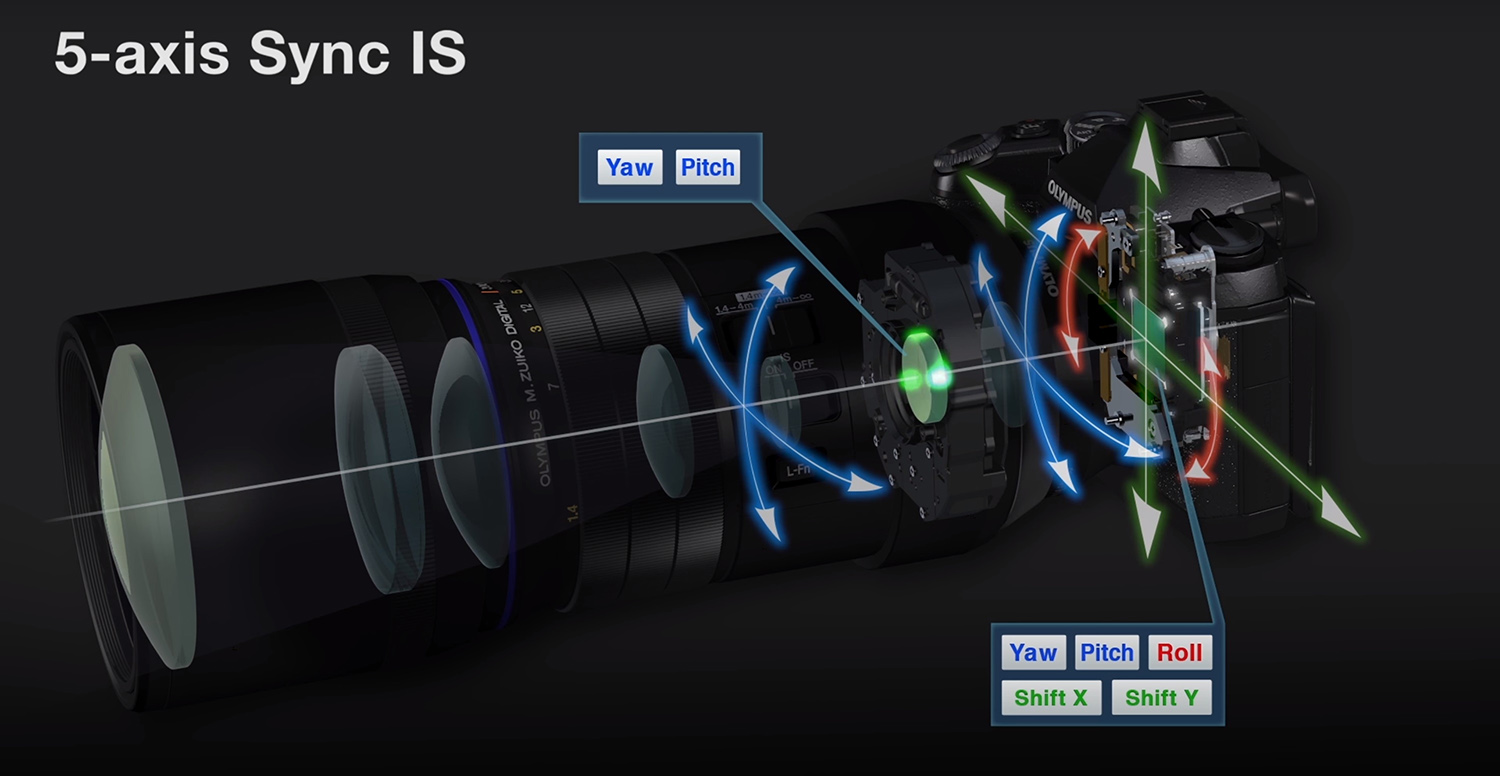
Olympus OM-D E-M1X stabilization

In-body image stabilization (IBIS) on cameras typically compensates for 5-axis movement (X, Y, pitch, yaw and roll) while in-lens optical image stabilization (OIS) offers pitch and yaw correction. Some systems offers synchronized IS, which uses both systems in conjunction(Image credit: OM System)

When you’re shooting handheld, ensure that your stabilization system is activated – especially when you’re working with heavytelephoto lenses. This will help compensate for any additional movement, as it can be quite difficult to operate a camera smoothly with these weightier optics.

While they might be a bit pricier, lenses with OIS can really pay off – especially for capturing fast-moving subjects like motorsport action. Some first-party lenses feature OIS that can work in conjunction with the camera’s IBIS to maximize stabilization and image performance.

But here’s the key point: typically when using heavy zooms and long lenses, you would shoot from a tripod. But when working with a tripod, keeping stabilization turned on mightnotgive you the sharpest image!

>>>Replacement battery for Canon LK-62 IP100 IP110

If you are shooting from a tripod, turn these features off. If you leave them on, some cameras and lenses will try to compensate for movements that aren’t happening – which can introduce the very vibrations and blurriness you’re trying to prevent. Some cameras even have a special tripod mode to help with this.

Google’s iconic ‘feeling lucky’ button is under threat from you-know-what

A Google logo sign at the top of a building.

Google’s “I’m Feeling Lucky” button has been a familiar part of its homepage since the launch of the search engine 27 years ago, but the company could be about to ditch it.

The web giant is currently testing with select users how to integrate its AI chatbot into its homepage. One option is to replace the “lucky” button with one that reads “AI Mode.” Selecting AI Mode leads to a more conversational interaction regarding your search, eliminating the need to sift through a long list of search results. Google announced the featureearlier this month.

Let’s just remind ourselves about what the I’m Feeling Lucky button does, as there’s a chance that you rarely, if ever, use it. In a nutshell, it bypasses the results on desktop search, taking you directly to the webpage that most closely matches your query. 

There’s not much data on how many people ever hit the “lucky” button, though back in 2007, former Google executive Marissa Mayer estimated that 1% of all Google searches went through it. But with more people searching on mobile (where the button is absent) or performing searches via the address box on desktop, it’s likely that even fewer people select the button these days.  

Google is also considering putting the AI Mode tab at the right end of the search box, which, if fully implemented, would allow the lucky button to live another day. 

>>>Replacement battery for Google Pixel Fold

It’s not the first time that the lucky button has come under threat. In 2010, the company launched Google Instant, a feature that displayed search results in real time as users typed their queries, with the aim of making searches faster and more intuitive. While the button remained in place, it was covered by the results that cascaded over it as the user typed. Google ditched Instant in 2017, with the ‘lucky’ button once again clearly visible for everyone.

This time, however, the threat seems more serious. Can Google’s I’m Feeling Lucky button survive the ever-expanding tentacles of AI? Watch this space.

Microsoft pledges to keep Windows 10 M365 apps secure into 2028

M365 apps will get extended support for Windows 10

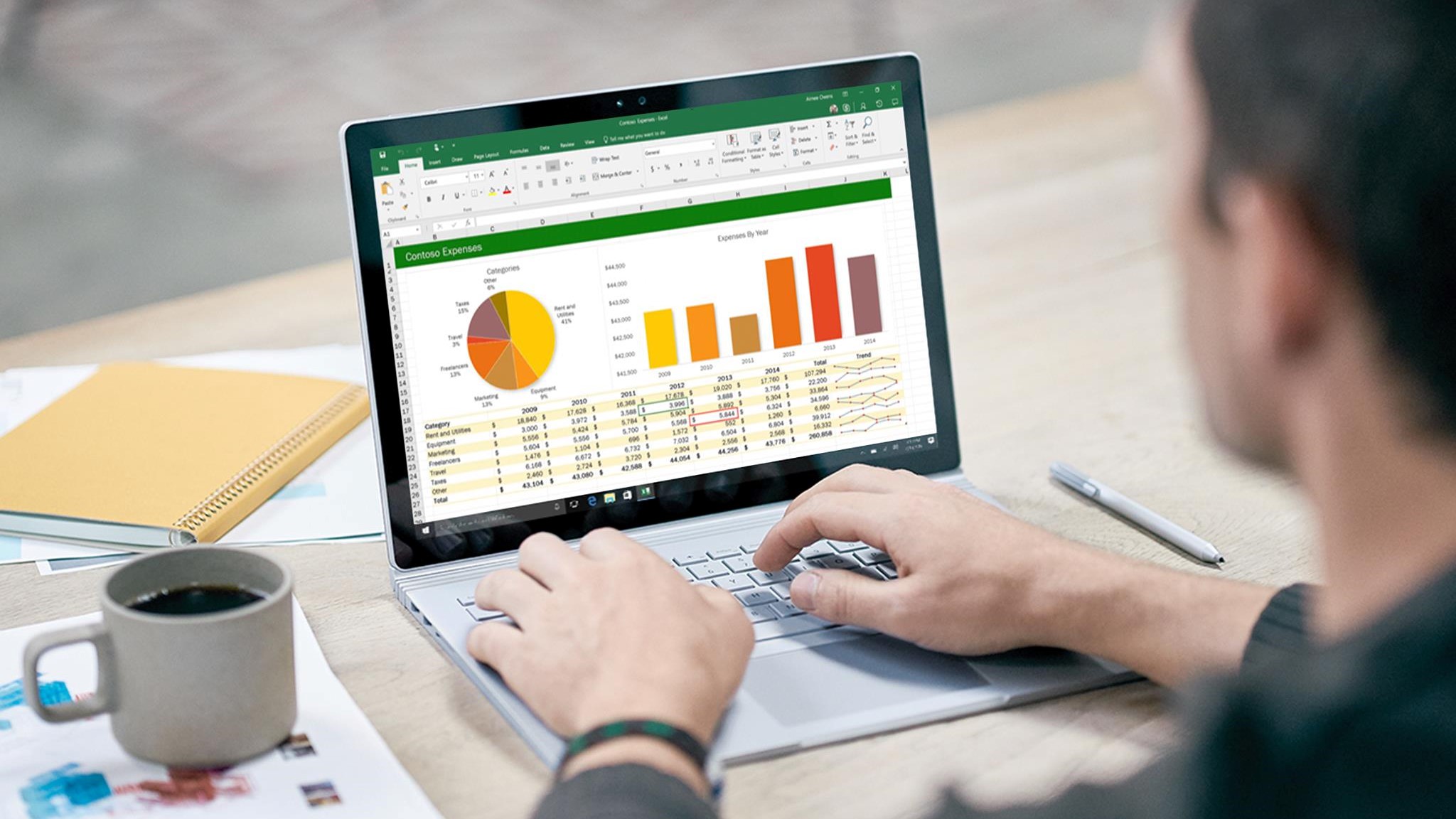
Someone using Excel on a Laptop.

(Image credit: Microsoft)


  • Windows 10 loses support, but M365 apps on Windows 10 don’t… yet
  • Support is limited, and users may experience performance issues
  • Windows 11 adoption will soon surpass Windows 10

AlthoughWindows 10is set to lose support on October 14, 2025,Microsofthas confirmed it will carry on providing security updates for Microsoft 365 apps on Windows 10 for a further three years.

However, even though the company will continue to support its productivity apps, it’s warning users of potential performance and reliability issues if they insist on using the outgoing OS, urging them instead to consider upgrading.

Moreover, no bug reports or feature requests will be accepted for issues exclusive to Windows 10, marking the demise of the OS.

>>>Replacement battery for Microsoft Surface Pro 9 2032 1996 1997 2038

Microsoft 365 apps on Windows 10 get three years of extra support

“To help maintain security while you transition toWindows 11, Microsoft will continue providing security updates for Microsoft 365 Apps on Windows 10 for three years after Windows 10 reaches end of support,” Microsoftshared.

Only customers will a valid M365 subscription will be able to open new cases, but three limitations will be in place once Microsoft pulls the plug on Windows 10 this October.

Firstly, if the issue is exclusive to Windows 10, users will be asked to upgrade to Windows 11. Secondly, if the customer is unable to upgrade to Windows 11, maybe due to hardware restrictions, the technical assistance team may only be able to offer troubleshooting and workarounds. Finally, there will be no option to log a bug or other feature requests.

Industry analysts from Canalys have already indicated that 2025 could be the year when remaining users end up upgrading their devices for support for Windows 11 and futureoperating systems, however trade war-induced tariffs could flip that idea on its head. “Subsequent quarters this year are likely to see a slowdown as inventory levels normalize and customers face higher prices,” Principal Analyst Ishan Dutt stated.

>>>Replacement battery for Microsoft Surface Laptop Studio 1964

Despite a 9% year-over-year growth in PC shipments globally during the first three months of 2025, Canalys predicts just a 2% rise for 2025 as a whole for the US market.

Although it took many months for Windows 11 to pick up widespread popularity, the OS now accounts for 43.7% of all Windows installs (viaStatcounter). Windows 10 still leads, with a 52.9% market share.

CAN YOU POWER A MONITOR BY PLUGGING IT INTO YOUR COMPUTER’S USB PORT?

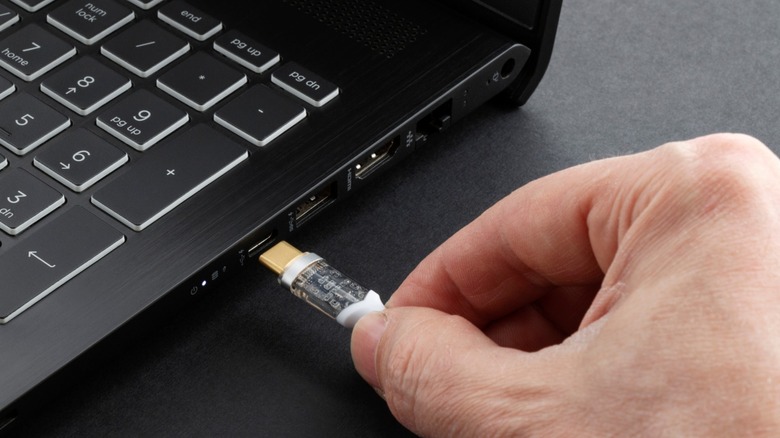
Connecting a USB-C cable to a laptop

Thin and light laptops now pack in enough performance to get you by most CPU or GPU-intensive tasks you throw at them, and yet, a few bucks spent on laptop accessories can skyrocket your productivity. An external monitor is inarguably the most effective way to do so, allowing you to view and work with multiple app windows without having to furiously alt-tab every few seconds.Setting up an external monitor is straightforward — you hook it up to a power source and connect it to your laptop or desktop over HDMI or DisplayPort. This works well if you often dock your laptop in a designated workspace, but most monitors simply aren’t portable enough, given their size and the fact that you would need to carry around a bulky power adapter. Seeing how universal and convenient USB-C has become, the idea of connecting and powering an external display using just one cable must have struck your mind, but can it actually be done?The short answer is yes, but you will need a compatible display as well as a relatively modern laptop that offers this functionality. With exponential leaps in charging speeds and data transfer rates, the right USB-C port and cable can not only carry a video signal to a portable monitor but also power it over the same connection. Here’s how to check if your laptop can power a monitor via USB-C and what to look for when shopping for one.>>>Replacement battery for Clevo NJ50MU NJ51MU NJ70MU NJ70PU NJ71PUExploring plug and play portable monitors

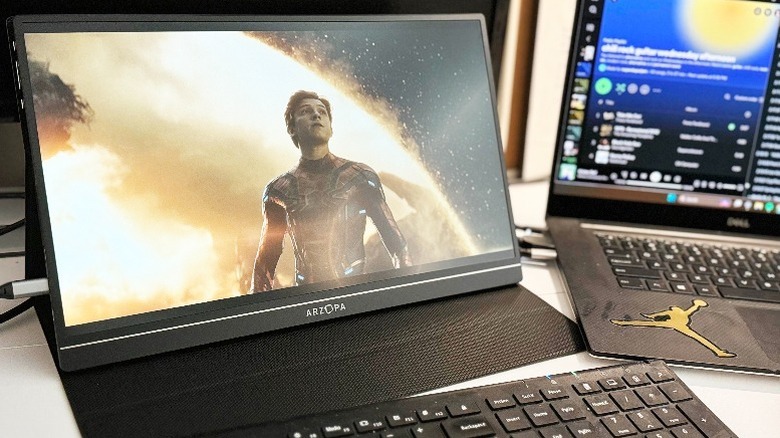
Portable monitor connected to a laptop

A quick search on Amazon reveals several listings for portable monitors from various brands, often coming in at sizes quite similar to most laptop screens. This way, you’re essentially doubling the screen real estate without being affixed to a traditional desk setup. Some of these options even offer touchscreen functionality, which can open interesting opportunities for working with interactive content. However, it’s important to go through each of the options you’re considering and look at how the portable monitor is being powered. Products like the Arzopa Portable Monitor that we went hands-on with feature this functionality, meaning you get a fully working external display powered by USB-C and displaying a video feed using the same connection. Displays that support both video and power over USB-C will list this feature explicitly, so be sure to look for it in the tech specs section.>>>Replacement battery for Clevo NH50ED NH50RA NH50RD NH70RAQ CNH5S01A plug-and-play portable monitor is only half the equation — in order to use USB for displays, you will also need to make sure your laptop features a USB-C port with both Power Delivery and DisplayPort Alt Mode. Most modern laptops, including MacBooks, offer this convenience, but it’s best to look for this functionality by visiting the product page. You can also directly connect a portable display to a smartphone or handheld consoles like the Nintendo Switch — although certain scenarios may have you relying on an external power source such as a power bank.